
Doug Henning — Canadian magician, illusionist, and revivalist of stage magic
Doug Henning (1947–2000) was a Canadian stage magician and illusionist who helped renew popular interest in magic in the 1970s through Broadway, television specials, a distinctive performing style, and publicity.
Douglas James Henning (May 3, 1947 – February 7, 2000) was a Canadian magician and illusionist best known for bringing a contemporary, theatrical sensibility to large-scale stage magic in the 1970s. Charismatic and media-savvy, Henning presented illusions with a focus on wonder and spectacle rather than the classical stoicism of earlier performers, and he became a prominent figure in North American entertainment for more than a decade.
Image gallery
1 Image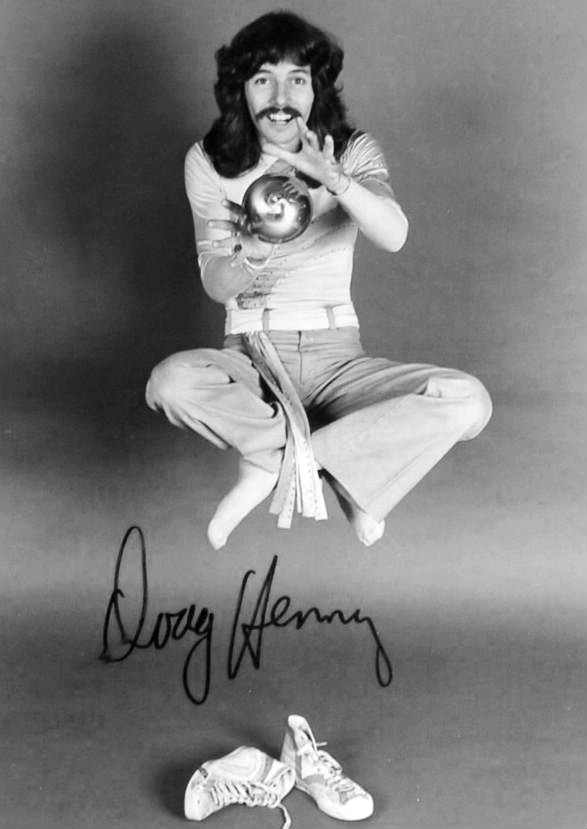
Early life and influences
Henning was born and raised in Winnipeg, Manitoba. As a young man he developed an interest in psychology and perception, studying aspects of the human mind that later informed how he presented tricks and misdirection; his study of psychology helped him shape performances that emphasized theatrical timing and audience engagement rather than purely technical showmanship. From early on he combined curiosity about how people perceive events with classical sleight-of-hand and escape techniques.
Style, stagecraft and public image
Henning broke with magician stereotypes in several visible ways. He eschewed formal black tails and white gloves for colorful, casual stage attire and a relaxed, upbeat stage persona. His shows mixed large illusions with playful patter and strong theatrical production values, helping make magic feel accessible and contemporary. He also acted as a celebrity endorser for commercial brands, appearing in advertising campaigns for companies such as Polaroid, TWA, Minolta and Chrysler during his peak years.
Broadway, television and major productions
Henning's commercial breakthrough came with the long-running Broadway hit The Magic Show, which opened in 1974 and introduced mainstream theatre audiences to extended magic productions. He followed that success with a series of prime-time television specials on NBC; the first of these specials attracted a very large broadcast audience and has been cited as among the most-watched magic programmes of its era, with a reported audience in excess of fifty million viewers. In 1982 he headlined another Broadway production, Merlin, noted for its ambitious illusions even as critics were mixed about its book and score.
Spiritual pursuits and later projects
Outside the theatre Henning was a student of the Maharishi Mahesh Yogi and practised transcendental meditation; his public interest in that movement informed projects and fundraising efforts he pursued later in life. He advocated for a spiritual-themed attraction called Vedaland, and supported the Maharishi's initiatives while remaining a public face for meditation in western pop culture. Henning also made an unsuccessful bid for public office, bringing his celebrity profile into civic life.
Illness, treatment choices and death
In the late 1990s Henning was diagnosed with liver cancer. He chose to emphasize diet, lifestyle change and natural remedies over conventional medical treatments, a decision that received attention in media accounts at the time. Henning died in Los Angeles in 2000. After his death, family members continued to promote some of the spiritual and cultural projects he had championed.
Legacy and further reading
Henning is widely credited with helping revive public enthusiasm for live magic performances, influencing later entertainers who combined theatrical staging with illusion. His emphasis on wonder, colorful presentation and television-era spectacle helped shift the public image of magic in the late 20th century. For contemporary overviews and archival material see sources and retrospectives linked below.
- Biography and career overview
- Descriptions of major illusions and technique
- Early life in Winnipeg
- Notes on psychology and perception in performance
- Maharishi Mahesh Yogi and transcendental meditation
- Vedaland project and related campaigns
- Accounts of illness and public reporting
- Details of Henning's final years
- Contemporary discussion of medical and alternative treatment choices
For a fuller narrative, the biography Spellbound: The Wonder-filled Life of Doug Henning (John Harrison, 2009) collects interviews and archival detail about his shows, televised specials and influence on magic as popular entertainment.
Questions and answers
Q: When was Douglas James Henning born?
A: Douglas James Henning was born on May 3, 1947.
Q: Where was he born?
A: He was born in Winnipeg, Canada.
Q: What did Henning do differently from other magicians?
A: Henning wore colorful clothes instead of the traditional black formal wear that most magicians wore. He also studied psychology to understand how the human mind works.
Q: What show is credited with helping to re-popularize magic shows during his heyday in the 1970s?
A: The Magic Show, which opened in 1974 and ran for almost five years, is credited with helping to re-popularize magic shows during his heyday in the 1970s.
Q: How many television specials did Henning appear in on NBC?
A: Henning appeared in eight television specials on NBC. The first special remains the most watched magic television special in history, with over fifty million viewers.
Q: What Broadway show did he appear in after The Magic Show?
A: After The Magic Show, he appeared in another Broadway show called Merlin which ran for seven months.
Q: Who wrote Doug Henning's biography published in 2009?
A: Doug Hennings biography Spellbound; The Wonder-filled Life of Doug Henning was written by John Harrison and published by BoxOffice Books New York City in 2009.
Related articles
Author
AlegsaOnline.com Doug Henning — Canadian magician, illusionist, and revivalist of stage magic Leandro Alegsa
URL: https://en.alegsaonline.com/art/28662