
Double Negative (1980 film)
Double Negative is a 1980 Canadian thriller directed by George Bloomfield, adapted from a Ross Macdonald novel. Also released as Deadly Companion, it stars Anthony Perkins, Susan Clark and John Candy.
Double Negative is a Canadian psychological thriller released in 1980 and directed by George Bloomfield. Adapted from a novel by Ross Macdonald and often billed under the alternative title Deadly Companion, the film brings together an eclectic cast from North American cinema and television. Its tone mixes suspense, interpersonal drama and a crime-mystery premise typical of late-1970s and early-1980s adult thrillers.
Image gallery
1 Image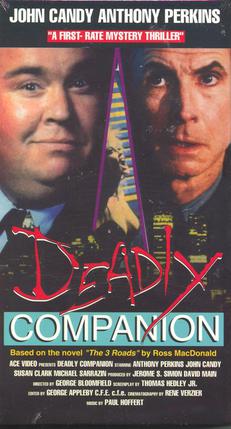
Cast and principal contributors
The film's ensemble pairs established dramatic performers with actors better known for other genres, a combination that shaped audience expectations at the time. Principal credits include:
- Anthony Perkins — a leading dramatic presence whose earlier career included psychological roles.
- Susan Clark — a prominent television and film actress of the era.
- John Candy — appearing in a supporting role before his later fame as a comedian and film star.
- Other cast members include Howard Duff, Al Waxman, Kenneth Welsh (link) and Kate Reid.
Plot elements and themes
Rather than rely on elaborate set pieces, the film emphasizes character interaction, motive and the gradual revelation of past events that bear on a central crime. It explores questions of memory, responsibility and deception, using the thriller framework to probe how ordinary relationships can conceal dangerous secrets. The adaptation from a Ross Macdonald novel aligns it with crime fiction traditions that focus on psychological complexity as much as on procedural detail.
Production and release context
Produced in Canada during a period of growing domestic film activity, Double Negative reflects the era's interest in attracting recognizable international talent to national productions. The alternate title Deadly Companion was used in some markets, which occasionally leads to cataloging confusion. Director George Bloomfield worked with a small production scale that emphasized performance over spectacle.
Reception and legacy
At release the film received modest attention and mixed reviews; critics tended to note the strengths of individual performances while pointing to pacing or narrative condensation as limitations. Over time it has drawn interest from viewers curious to see well-known actors in atypical or transitional roles—particularly early appearances by John Candy and a restrained turn by Anthony Perkins. It remains a footnote in the careers of its cast and in the landscape of Canadian thriller cinema of the period.
Notable distinctions
Double Negative should not be confused with the linguistic or photographic terms that share the same phrase. In film references it is occasionally listed under its alternate title, so researchers and viewers should check both names when seeking prints or archival information. For more on the key actors and production credits, see contemporary film databases and actor biographies via the links provided above.
Questions and answers
Q: What is Double Negative?
A: Double Negative is a Canadian thriller movie directed by George Bloomfield and based on a novel by Ross Macdonald.
Q: Who directed Double Negative?
A: Double Negative was directed by George Bloomfield.
Q: Who stars in Double Negative?
A: The cast of Double Negative includes John Candy, Susan Clark, Anthony Perkins, Howard Duff, Al Waxman, Kenneth Welsh, and Kate Reid.
Q: What is the genre of Double Negative?
A: Double Negative is a thriller movie.
Q: Is Double Negative based on a novel?
A: Yes, Double Negative is based on a novel by Ross Macdonald.
Q: When was Double Negative released?
A: Double Negative was released in 1980.
Q: Does Anthony Perkins star in Double Negative?
A: Yes, Anthony Perkins is part of the cast of Double Negative.
Related articles
Author
AlegsaOnline.com Double Negative (1980 film) Leandro Alegsa
URL: https://en.alegsaonline.com/art/28639