
Dong Zhuo: Warlord, Regent, and the Fall of Han Authority
Dong Zhuo (139–192) was a late Han dynasty general who seized control of the imperial court, deposed an emperor, and provoked a coalition of warlords that ended in his assassination.
Overview
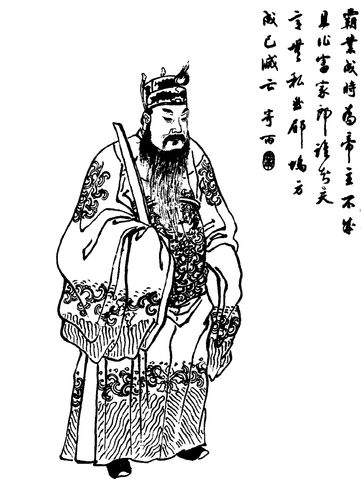
Dong Zhuo (董卓; 139–192) was a military commander and political strongman active during the final years of the Eastern Han dynasty in ancient China. Rising through military service, he intervened in imperial succession and seized effective control of the court after 189. His short-lived dominance destabilized central authority, prompted a multi-regional response, and left a legacy of violence that contributed to the fragmentation of the Han state.
Image gallery
7 Images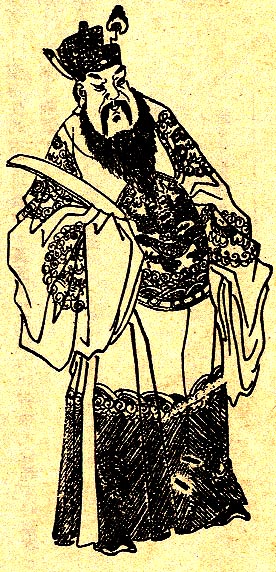


Early career and rise
Dong Zhuo began his career as a frontier officer and gained a reputation as a capable, if ruthless, commander. He is reported to have been involved in suppression efforts during the widespread unrest of the 180s, including campaigns related to the Yellow Turban uprising. After setbacks and temporary demotion, he later re-emerged as a powerful military figure whose experience and available troops made him a decisive actor when the imperial household fell into crisis following the death of Emperor Ling.
Seizure of power and imperial control
In the aftermath of Emperor Ling's death, court factions and eunuchs fought for influence. The palace crisis left the young heirs vulnerable; historical accounts describe how palace agents detained imperial princes and how Dong Zhuo marched on the capital, secured the emperor’s person and removed rival officials. He leveraged his position to depose the older prince (Liu Bian) in favor of his younger brother, who became known as Emperor Xian. Contemporary sources portray Dong Zhuo as willing to use intimidation and force to reorder court politics, including relocating the imperial seat and implementing harsh measures against perceived opponents.
Rule, policies, and reputation
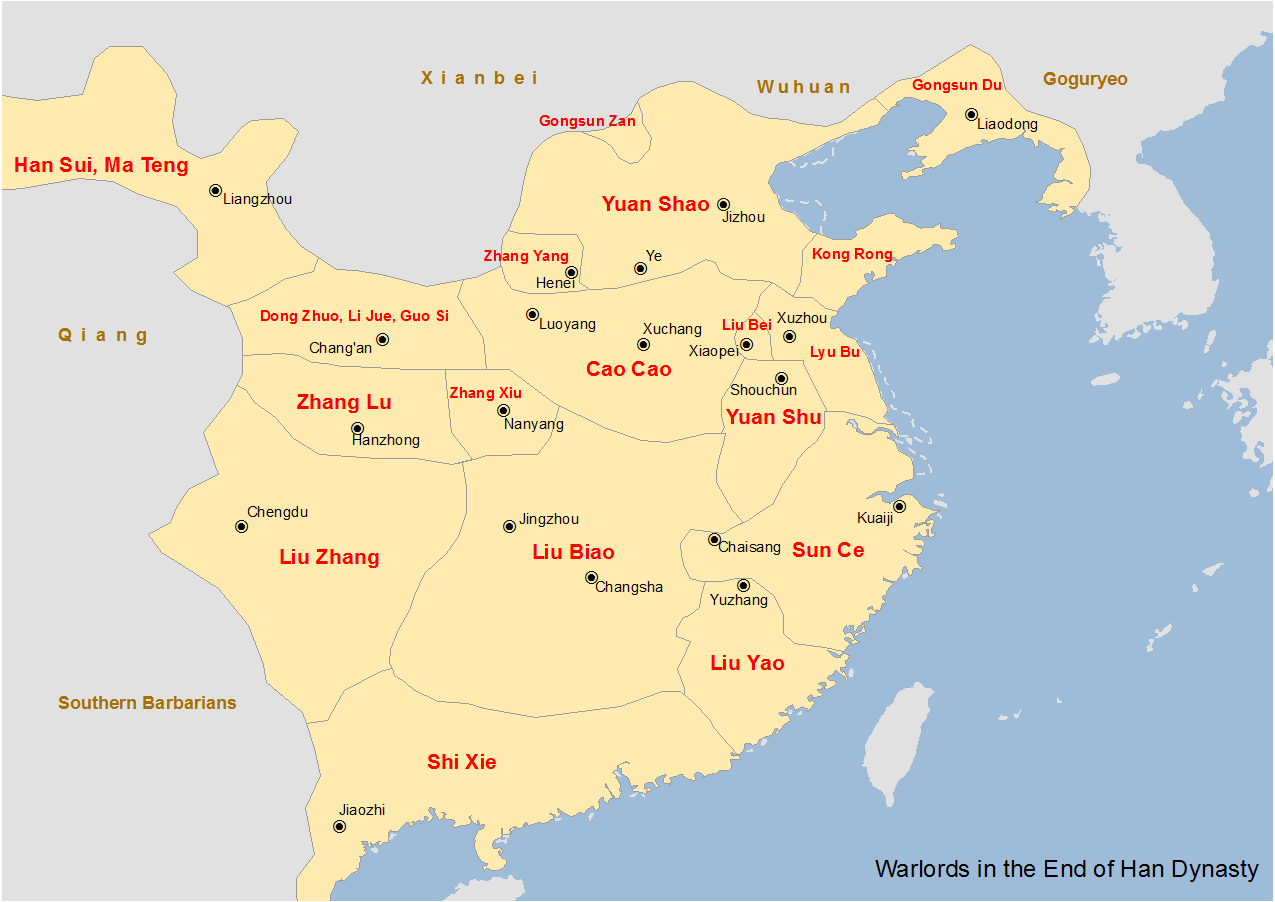
Dong Zhuo’s rule is associated with authoritarian measures and wide-ranging purges. He moved the capital from Luoyang to Chang'an and ordered the destruction or looting of parts of the former capital, actions that alienated many officials and regional commanders. Reports from the period emphasize his arbitrary cruelty, wasteful consumption of resources, and dependence on a small circle of followers who benefited from his patronage. One account holds that he poisoned the deposed emperor Liu Bian around 190, though some details of events remain debated among historians.
Resistance, coalition, and assassination
News of Dong Zhuo’s actions prompted military governors and influential leaders across the realm to form a coalition against him. This alliance of regional warlords and commanders engaged Dong Zhuo’s forces in a series of campaigns that weakened his position. Internal tensions and court intrigue further undermined his authority. In 192 Dong Zhuo was assassinated by his foster son and lieutenant Lu Bu, an event driven by personal rivalry and shifting loyalties. The turmoil did not end with his death; his former subordinates continued to manipulate the emperor for a time, and the central government remained fragile.
Aftermath and legacy
Following Dong Zhuo’s assassination, his associates continued to assert control over the imperial figurehead until rivalries fractured their coalition. The juvenile emperor eventually escaped the capital and was later protected by other emergent leaders, including Cao Cao, who used the nominal authority of the throne to build his own power base. Dong Zhuo’s rise and fall are often cited as a pivotal moment in the collapse of Han unity: his actions accelerated decentralization, sparked prolonged warfare, and fed the popular and literary image of a court in moral and political decline.
Notable facts and cultural portrayal
- Dong Zhuo is commonly depicted in later historical novels and drama as a treacherous tyrant; his characterization in the Romance of the Three Kingdoms and other works has strongly influenced popular perceptions.
- His removal of the capital and the burning of Luoyang are remembered as symbolic of the breakdown of imperial governance.
- Contemporary and later records vary in detail; some episodes are described differently across sources, so caution is advised when interpreting specific claims.
For further reading on individuals and institutions connected to this period, see entries on the imperial eunuchs (eunuchs), the Yellow River region (Yellow River), military commanders such as Lu Bu and other notable figures, and the broader patterns of regional authority that shaped late Han politics.
Questions and answers
Q: Who was Dong Zhuo?
A: Dong Zhuo was a general in ancient China who took control over the imperial court of Han in 189.
Q: How did Dong Zhuo lose his position in 184?
A: Dong Zhuo was defeated by Yellow Scarves rebels in 184, leading to his demotion.
Q: What did Dong Zhuo do after the death of Emperor Ling and the kidnapping of Liu Bian and Liu Xie?
A: Dong Zhuo freed Liu Bian and Liu Xie and took them back to the capital Luoyang, where he seized control over the court.
Q: Why did Dong Zhuo depose Liu Bian and make his brother emperor instead?
A: Dong Zhuo thought Liu Bian was too stupid, so he made his brother Liu Xie emperor instead (Emperor Xian).
Q: What did Dong Zhuo do to Liu Bian in 190?
A: In 190, Dong Zhuo poisoned Liu Bian.
Q: Why did many warlords and Han generals form an alliance to destroy Dong's reign?
A: Dong Zhuo became arrogant and violent, forcing the emperor to move to a different city as capital and burning Luoyang.
Q: Who killed Dong Zhuo and in what year?
A: Dong's foster son Lu Bu killed him in 192.
Related articles
Author
AlegsaOnline.com Dong Zhuo: Warlord, Regent, and the Fall of Han Authority Leandro Alegsa
URL: https://en.alegsaonline.com/art/28437