
Donatello: Renaissance sculptor and pioneer of naturalism
Donatello (c.1386–1466) was an Italian sculptor whose innovations in naturalism, low-relief technique and bronze casting shaped early Renaissance sculpture and influenced generations of artists.
Overview
Donatello, born Donato di Niccolò di Betto Bardi (c.1386–1466), is one of the central figures of early Italian Renaissance art. A Florentine sculptor, he helped revive classical approaches to the human figure while developing new methods of representation. Working in and around Florence and later in cities such as Rome, Sienna and Padua, his sculptures appear in churches, civic buildings and private collections. Contemporary and later writers, including Vasari, celebrated his contributions to art history.
Image gallery
10 Images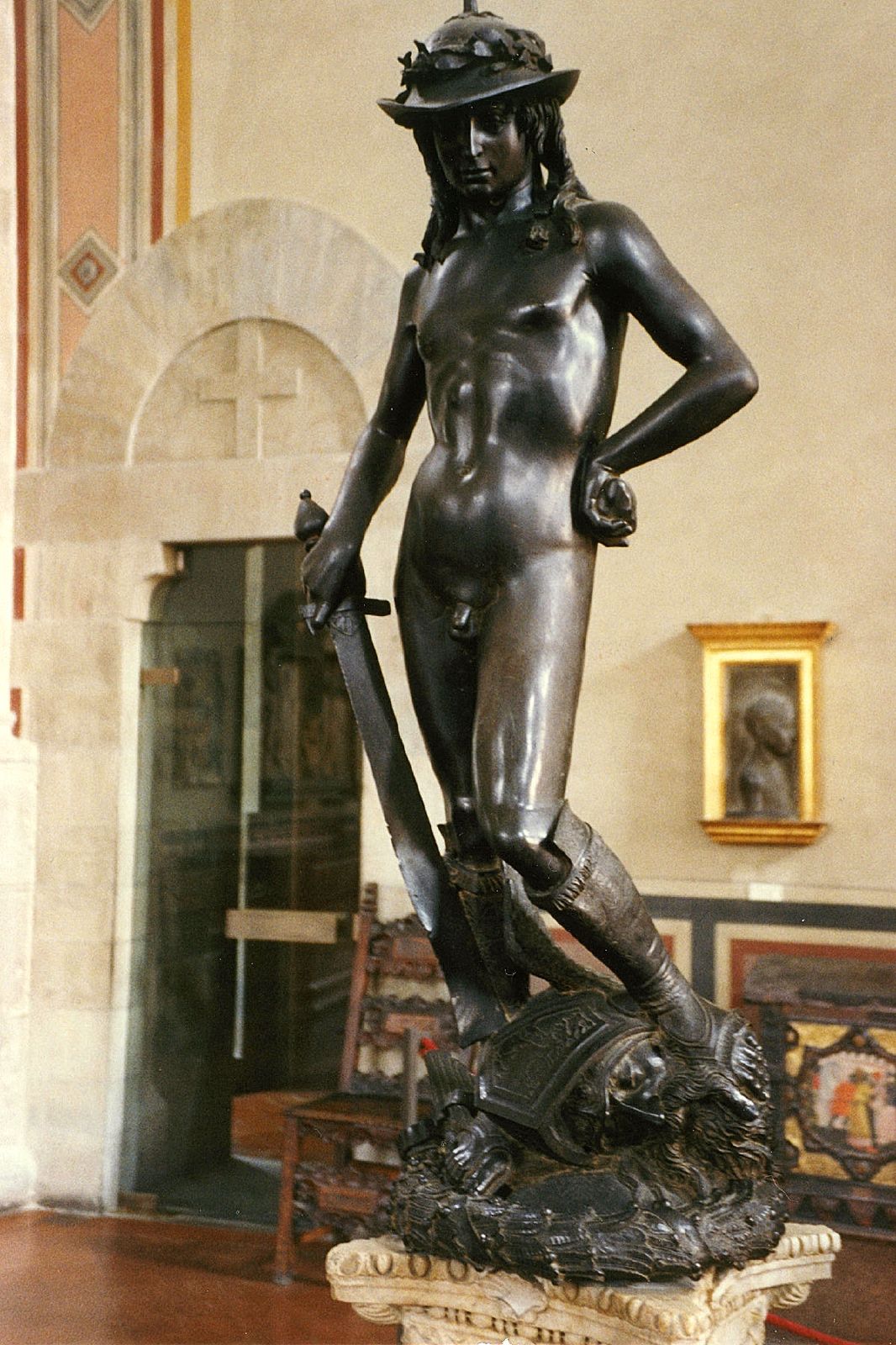






Characteristics and methods
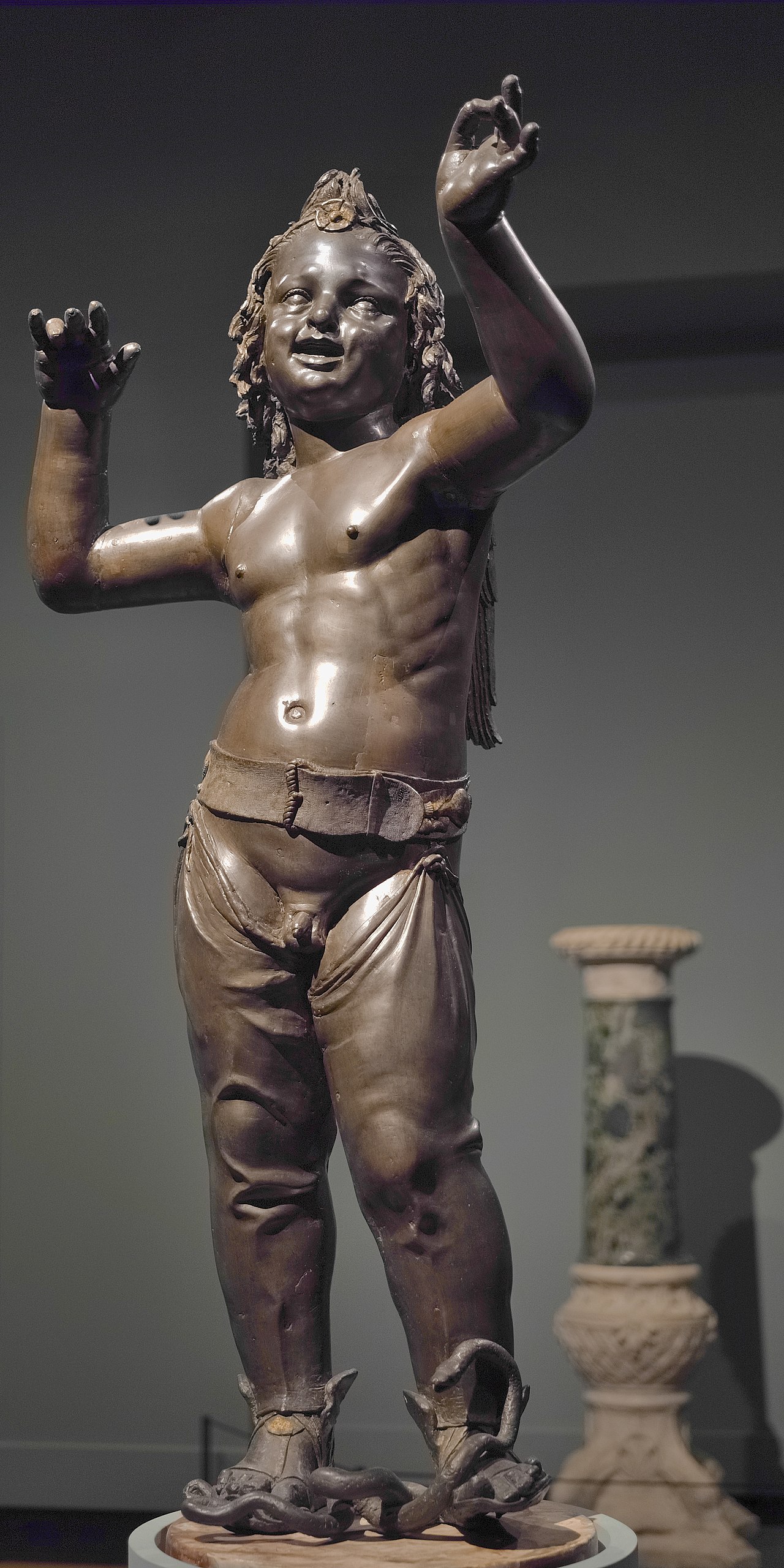
Donatello worked across a wide range of materials — notably bronze, marble and stone, but also clay and wax for models and preparatory studies. He is credited with mastery of bronze casting (the lost-wax tradition was commonly used by fifteenth-century foundries) and with a sensitive handling of surface and texture. One of his signature innovations is the extremely shallow relief known as schiacciato, which creates a sense of depth through subtle graduations of plane rather than deep carving.
History and training
Raised in Florence, Donatello is reported to have trained or worked alongside influential contemporaries. Early in his career he had contacts with Filippo Brunelleschi, the architect (architect) known for the dome of the Florentine cathedral, and he assisted Lorenzo Ghiberti on projects for the baptistery doors. Over time he developed an independent style that drew on observation of the living body and on the study of ancient Greek and Roman statuary.
Major works and patrons
Donatello's patrons ranged from the Church and municipal authorities to private patrons such as Cosimo de' Medici. Among his best-known pieces is the bronze David, often described as one of the first free-standing nude figures of the Renaissance to recall classical antiquity. He also produced important reliefs and statues for religious settings, including commissions for the Florence Cathedral and for Orsanmichele. In Padua his monumental equestrian statue for Erasmo da Narni (commonly called the Gattamelata) established a new model for public bronze equestrian monuments.
Selected works
- Bronze David (Florence) — early example of Renaissance nude and contrapposto.
- Reliefs such as the Feast of Herod — demonstrations of schiacciato technique and narrative compression.
- Equestrian monument in Padua — a major civic bronze showing psychological presence and technical command.
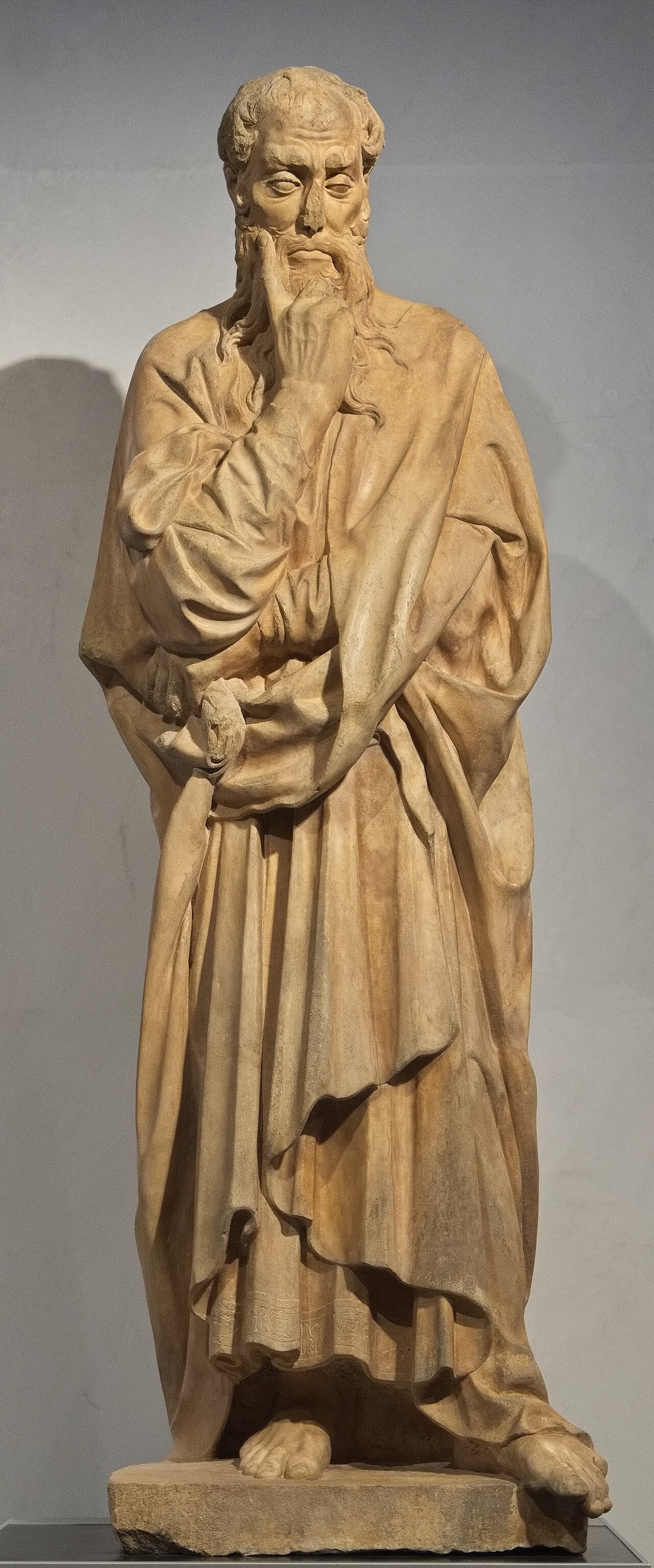
- Marble and bronze saints and prophets for churches and public façades, including work connected to the Florence Cathedral.
Legacy and significance
Donatello's combination of close observation, classical reference and experimental technique made him a model for later Renaissance sculptors. His realism—attention to individual features, bodily posture and facial expression—helped move European sculpture away from Gothic stylization toward human-centered representation. The way he varied texture, relief depth and material casting influenced painters and sculptors alike, and his works remain widely studied in histories of art for their technical skill and expressive range.
For readers wishing to explore further, contemporary scholarship considers Donatello both as a product of his Florentine context and as an innovator whose methods traveled with his works and followers across Italy and beyond. His art sits at the meeting point of classical revival and inventive realism, making him a defining artist of the early Renaissance.
Additional contexts: early civic commissions in Florence, later projects in Padua and mention of travels to Rome and Sienna appear in many accounts; his collaborative beginnings with figures like Ghiberti and dialogues with architects including Brunelleschi help explain both his technical confidence and his engagement with classical models.
Questions and answers
Q: Who was Donatello?
A: Donatello was an Italian sculptor during the Renaissance. He lived in Florence and worked with several assistants in stone, bronze, wood, clay, and wax.
Q: Where did he work?
A: Donatello worked in Rome, Sienna and Padua as well as Florence. He also worked for the Church, for Cosimo de' Medici, and for various city authorities.
Q: Who was his teacher?
A: When Donatello was older, he studied with Filippo Brunelleschi the architect. He also helped the sculptor Lorenzo Ghiberti to make statues for the Battistero di San Giovanni.
Q: What inspired his work?
A: Donatello's work was inspired by ancient sculpture. He was the first sculptor of his time to celebrate the human body, an idea that had died out after Greek and Roman times.
Q: What is his best-known work?
A: His life-size statue of David is his best-known work. The David is the first known free-standing nude statue made since antiquity.
Q: What type of artist was he?
A: Donatello was a realist; an artist whose sculpture showed subjects as real people with naturalism and showing of human feelings being influences on him.
Q: How many statues did he make for Florence Cathedral?
A: Between 1415 and 1426, he made five statues for Florence Cathedral (also known as Duomo).
Related articles
Author
AlegsaOnline.com Donatello: Renaissance sculptor and pioneer of naturalism Leandro Alegsa
URL: https://en.alegsaonline.com/art/28416