
Don Meredith: American Football Quarterback and Broadcaster
Don 'Dandy Don' Meredith (1938–2010), Dallas Cowboys quarterback turned pioneering TV commentator on Monday Night Football, known for his colorful personality and role in popularizing pro football on television.
Don Meredith (April 10, 1938 – December 6, 2010), nicknamed "Dandy Don," was an American football player and later a well‑known television personality. Born in Mount Vernon, Texas, he became a prominent quarterback in the early years of the Dallas franchise and went on to help shape how professional football was presented to a national audience. He died in Santa Fe, Texas—sorry, New Mexico—of a brain hemorrhage at age 72.
Image gallery
2 Images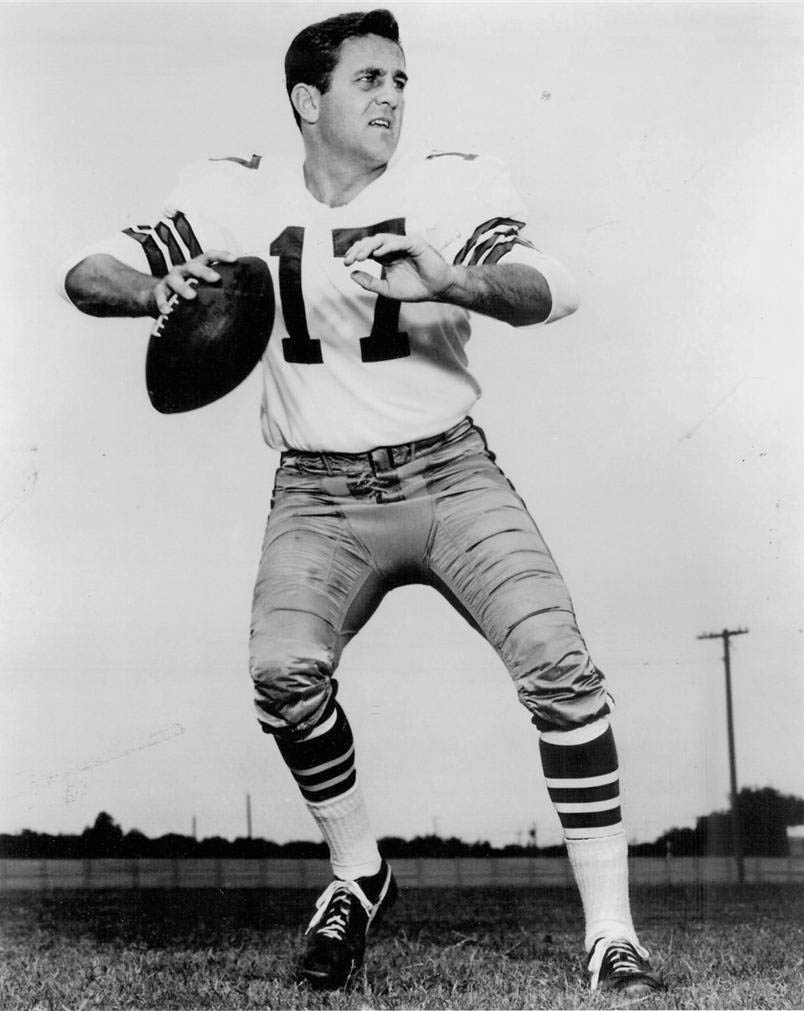

Early life and college
Raised in small‑town Texas, Meredith played college football at Southern Methodist University, where he developed the passing skills and easygoing personality that later defined his public image. His combination of athletic ability and charisma made him a natural leader on and off the field and attracted attention from professional clubs during the NFL expansion era.
Professional career
Meredith joined the Dallas Cowboys in the franchise’s early years and served as the team’s starting quarterback through much of the 1960s. He was recognized for his improvisational style, long passing, and a sense of showmanship that helped the Cowboys gain a following beyond Texas. Fans remember his memorable game calls and trademark lines after key victories, which contributed to his popularity among spectators and sportswriters alike.
Broadcasting and media work
After leaving playing, Meredith transitioned to television and became a prominent on‑air broadcaster. In 1970 he joined the original booth for Monday Night Football, where his conversational, folksy commentary and quick humor provided a contrast to the more formal styles of his colleagues. His presence helped make the program a cultural event and demonstrated how former players could translate game knowledge into engaging television.
Legacy and notable facts
Meredith remained a recognizable figure after his broadcasting career, appearing occasionally in entertainment projects and community events. He is often remembered as one of the personalities who bridged the gap between on‑field professional football and mass‑audience television coverage. Notable aspects of his legacy include:
- A reputation for blending athletic talent with off‑beat charm that broadened the appeal of pro football.
- Being part of the first high‑profile television teams that turned regular season games into nationwide entertainment.
- Frequent citations in histories of the Dallas franchise and early televised football for his role in popularizing the sport.
Meredith’s life story reflects both the evolution of the NFL during the 1960s and the growing importance of television in American sports culture. For more background on related topics, see references on players, teams, broadcasting history and media coverage of professional football.
Questions and answers
Q: Who was Don Meredith?
A: Don Meredith was an American football player and television broadcaster.
Q: When was Don Meredith born and where was he from?
A: Don Meredith was born on April 10, 1938 and he was from Mount Vernon, Texas (about 100 miles east of Dallas).
Q: What was Don Meredith's position in the Dallas Cowboys?
A: Don Meredith was a quarterback for the Dallas Cowboys from 1960 to 1968.
Q: When did Don Meredith become a television broadcaster?
A: Don Meredith became a television broadcaster in 1970 when he joined the Monday Night Football crew.
Q: How did Don Meredith die?
A: Don Meredith died in Santa Fe, New Mexico from a brain hemorrhage.
Q: How old was Don Meredith when he died?
A: Don Meredith was 72 years old when he died.
Q: What was Don Meredith's nickname?
A: Don Meredith's nickname was "Dandy Don".
Related articles
Author
AlegsaOnline.com Don Meredith: American Football Quarterback and Broadcaster Leandro Alegsa
URL: https://en.alegsaonline.com/art/28363
Sources
- pro-football-reference.com : "Don Meredith NFL Football Statistics"
- dallasnews.com : "Legendary Cowboys, SMU quarterback Don Meredith dies"
- dallascowboys.com : "Ring of Honor | Don Meredith"
- sports.espn.go.com : "Don Meredith dies at age 72"
- imdb.com : "Don Meredith (I)"