
Division of Parkes (Australian federal electorate)
A large rural Australian federal electorate in northern New South Wales, established 1984 and named for Sir Henry Parkes; it covers many regional towns from Dubbo to Bourke near the Queensland border.
Overview
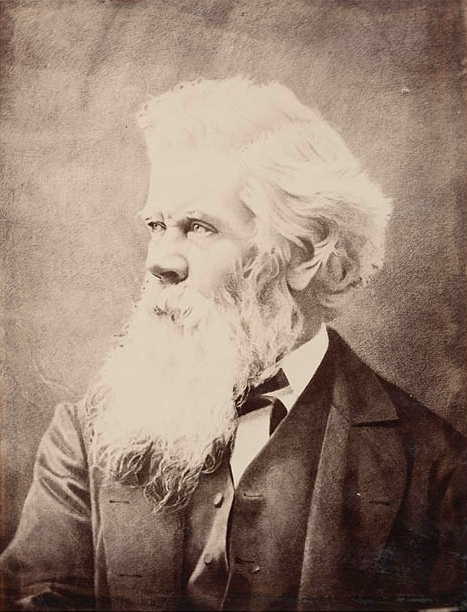
The Division of Parkes is an Australian federal electoral division in the far north-west of the state of New South Wales. It was created in 1984 and is named for Sir Henry Parkes, an influential 19th-century politician often associated with the movement towards federation; see Sir Henry Parkes for biographical details. The seat is one of the largest by area in the state and is classified as a rural electorate represented in the House of Representatives.
Image gallery
8 Images


Geography and boundaries
Parkes spans a vast area of inland New South Wales, extending close to the border with Queensland. Its landscape includes broad agricultural plains, river valleys used for irrigation, semi-arid grazing country and mineral-producing regions. Federal electoral boundaries are periodically adjusted through redistributions to reflect population changes; as a result, the precise limits of the division have shifted since its creation. The division lies within the broader context of New South Wales regional administration and planning zones.
Towns and communities
The electorate contains numerous towns and service centres that act as commercial and social hubs for surrounding rural districts. Major centres in the division include the regional city of Dubbo and the agricultural towns of Moree and Nyngan. Other towns and communities within the electorate are listed below; these populations, economies and local services help define the character of Parkes.
- Dubbo
- Mudgee
- Dunedoo
- Gunnedah
- Coonabarabran
- Coonamble
- Walgett
- Narrabri
- Moree
- Warren
- Nyngan
- Cobar
- Bourke
Despite its name, the federal Division of Parkes does not include the town of Parkes itself; that town lies in a different federal electorate. The name commemorates a historical figure rather than marking the immediate location of the town. An earlier federal seat with the same name existed from 1901 until 1969 and covered suburban parts of Sydney.
Economy and local issues
Local economies within Parkes are diverse but typically focused on primary industries: cropping and broadacre agriculture, livestock grazing, cotton and other irrigated crops in riverine areas, and mining in resource districts. Regional service industries, transport and logistics, health care and education are concentrated in larger centres. Water management, rural infrastructure, transport links and support for regional communities are recurring political and policy concerns for residents.
Political profile and representation
As a remote and rural division, Parkes has particular representation needs driven by distance, seasonal variability and the economic mix of its communities. Voting patterns can reflect local priorities such as agricultural policy, water allocations, regional development and support for small towns. Redistributions and demographic change influence the electorate's composition and the priorities of its elected member in the House of Representatives.
History
The present seat is the second federal electorate to bear the Parkes name. The original Division of Parkes (1901–1969) was located in suburban Sydney and was abolished and redistributed over time. The modern Division of Parkes, established in 1984, reintroduced the name for a large rural constituency in western and north-west New South Wales, honouring Sir Henry Parkes' place in Australian political history.
Questions and answers
Q: Where is the Division of Parkes located?
A: The Division of Parkes is located in the far north of the state of New South Wales, next to the border with Queensland.
Q: Who is the Division of Parkes named after?
A: The Division of Parkes is named after Sir Henry Parkes, seventh Premier of New South Wales and sometimes known as the 'Father of Federation'.
Q: When was the Division of Parkes set up?
A: The Division of Parkes was set up in 1984.
Q: Which towns are included in the Division of Parkes?
A: The Division of Parkes includes the towns of Dubbo, Mudgee, Dunedoo, Gunnedah, Coonabarabran, Coonamble, Walgett, Narrabri, Moree, Warren, Nyngan, Cobar and Bourke.
Q: Does the Division of Parkes include the town of Parkes?
A: No, the Division of Parkes does not include the town of Parkes.
Q: Was this the first Division of Parkes?
A: No, this is the second Division of Parkes. The first Division of Parkes (1901-69) was in suburban Sydney.
Q: What is the special significance of Sir Henry Parkes to Australia?
A: Sir Henry Parkes is sometimes known as the 'Father of Federation', referring to his role in helping to establish the Commonwealth of Australia through the Federation of the colonies.
Related articles
Author
AlegsaOnline.com Division of Parkes (Australian federal electorate) Leandro Alegsa
URL: https://en.alegsaonline.com/art/27954
Sources
- vtr.aec.gov.au : "NSW Division - Parkes, NSW"
- aec.gov.au : "Profile of the electoral division of Parkes (NSW)"
- smh.com.au : "Cobb and co in fight over will - smh.com.au"