
Division of McEwen
A federal electoral division north of Melbourne in Victoria, created in 1984 and named for Sir John McEwen; a mixed rural–urban seat known for close contests and changing boundaries.
Overview
The Division of McEwen is an Australian federal electoral division established in 1984. It lies to the north of the city of Melbourne and combines country towns with outer suburban communities. The division is one of many electoral divisions used to elect members to the House of Representatives in the national parliament, and it is located within the state of Victoria. The electorate often attracts attention because of its marginal voting patterns and diverse population.
Image gallery
4 Images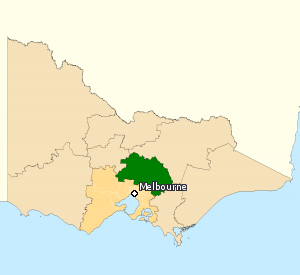


Geography and communities
McEwen covers a geographically varied area that includes agricultural districts, small regional centres and fast-growing commuter suburbs. Major population centres and towns within the division include:
- Broadford
- Craigieburn
- Doreen
- Kilmore
- Lancefield
- New Gisborne
- Riddells Creek
- Romsey
- Seymour
- Sunbury
- Wallan
- Whittlesea
Origins and name
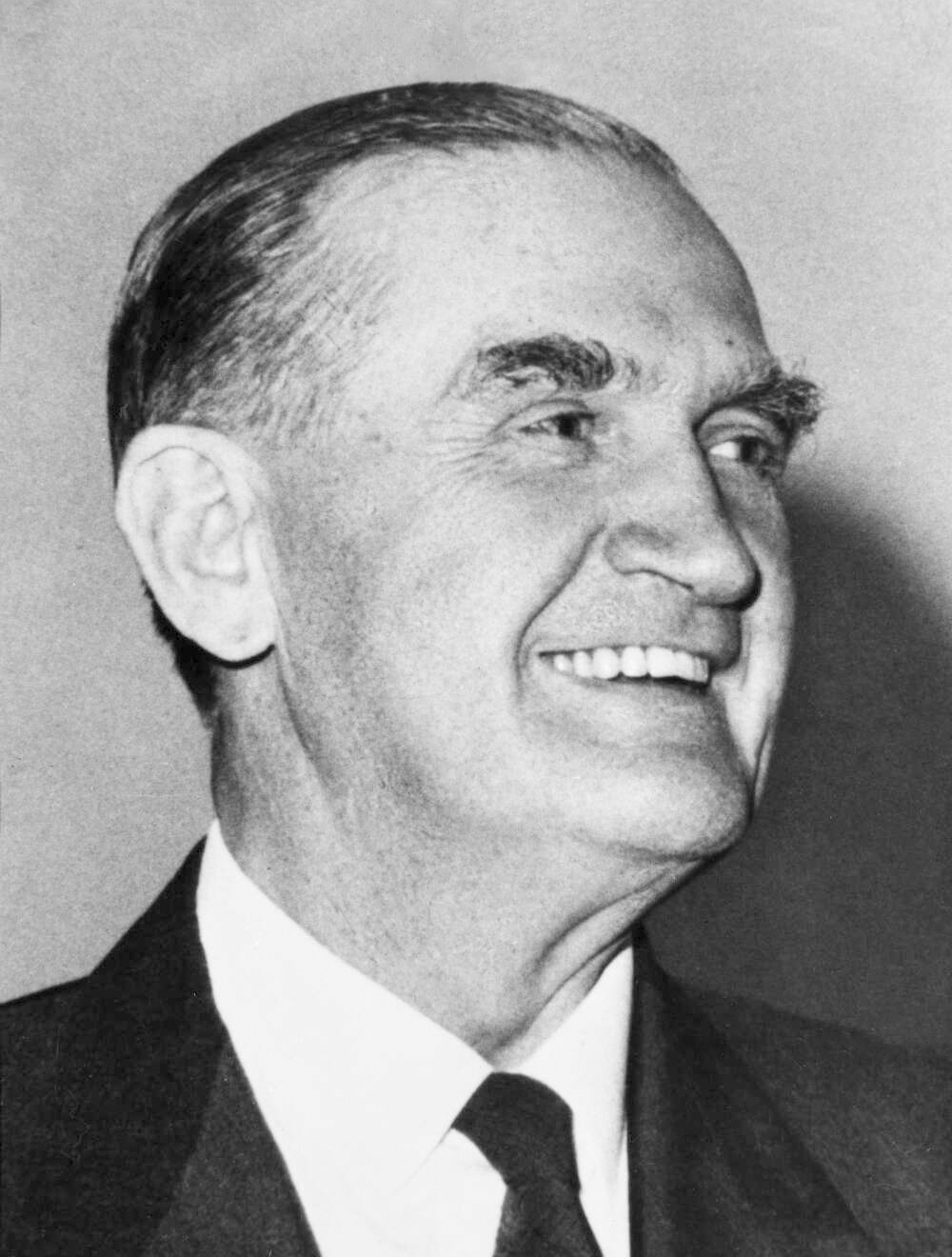
The division is named in honour of Sir John McEwen, a prominent figure in mid‑20th century Australian politics. McEwen was long associated with the rural political movement that later became the Country Party, and he briefly served as caretaker Prime Minister after the disappearance of Harold Holt in 1967. The naming reflects McEwen's role representing country interests and shaping postwar agricultural and trade policy.
Electoral history and notable contests
From its creation the division has been a competitive seat, changing hands between parties and responding to demographic shifts such as suburban expansion and regional growth. One of the most closely watched episodes in McEwen's history occurred in the 2007 federal election, when the result was decided by a handful of votes. The initial count produced an extremely narrow margin, leading to recounts and legal challenges. The matter was brought before the High Court and referred to the Federal Court for detailed scrutiny. After examination of individual ballots and procedural review the courts confirmed the final outcome.
Characteristics and political significance
McEwen is often described as a hybrid electorate: parts of it retain rural economies and identities while other areas function as Melbourne commuter suburbs with rapid population growth. This mixture affects policy priorities for local representatives, who must balance infrastructure and transport needs with agricultural and regional development concerns. Redistributions by electoral authorities periodically adjust McEwen's boundaries to reflect population change, which in turn influences its political character and party strategies.
Representation, reform and public interest
Because of its marginal nature and high-profile close results, McEwen has been cited in broader discussions about electoral procedures, recount rules and voting system improvements. Candidates and local stakeholders frequently campaign on issues such as transport links to Melbourne, rural services, housing, and regional jobs. The division remains a bellwether for shifts in voter sentiment in northern Victoria and is watched by parties during federal elections as an indicator of suburban and peri‑urban trends.
For further reference on electoral divisions, state administration and notable political figures mentioned above, see links to the division type, the state, the state name, metropolitan area, the namesake Sir John McEwen, his party Country Party, the office of Prime Minister, the missing leader Harold Holt, and the role of the High Court in electoral disputes.
Note: This article describes broadly known facts about the division, its composition and its significance; for up‑to‑date boundary maps, current member information and official statistics consult the relevant electoral authorities and recent government publications.
Questions and answers
Q: What is the Division of McEwen?
A: The Division of McEwen is an Australian Electoral Division in the state of Victoria.
Q: Where is the Division of McEwen located?
A: The Division of McEwen is located north of the capital city of Melbourne.
Q: Which places are included in the Division of McEwen?
A: The Division of McEwen includes Broadford, Craigieburn, Doreen, Kilmore, Lancefield, New Gisborne, Riddells Creek, Romsey, Seymour, Sunbury, Wallan and Whittlesea.
Q: Who is Sir John McEwen?
A: Sir John McEwen was the leader of the Country Party of Australia and caretaker Prime Minister of Australia after the disappearance of Harold Holt in 1967.
Q: What happened in the 2007 election in the Division of McEwen?
A: Fran Bailey lost the election by only six votes. She asked for a recount and won by 12 votes.
Q: What was the result of the recount in the 2007 election in the Division of McEwen?
A: The High Court of Australia referred the result to the Federal Court of Australia. After checking 643 individual votes, the court found that Bailey won by 31 votes.
Q: What did Fran Bailey call for after winning the 2007 election in the Division of McEwen?
A: After winning the election, Fran Bailey called for big changes to the voting system.
Related articles
Author
AlegsaOnline.com Division of McEwen Leandro Alegsa
URL: https://en.alegsaonline.com/art/27932
Sources
- aec.gov.au : "Profile of the electoral division of McEwen (Vic)"
- theage.com.au : "Court confirms Bailey win"
- abc.net.au : "Labor loses bid to win back McEwen"
- austlii.edu.au : Mitchell v Bailey (No 2) 2008 FCA 692: Federal Court of Australia Decisions 2/7/2008