
Division of Lyne
Australian federal electoral division on the Mid North Coast of New South Wales, created in 1949 and named for Sir William Lyne; includes Port Macquarie and surrounding towns and has a largely rural, coastal character.
The electoral division of Lyne is a federal electorate on the eastern seaboard of Australia. Created in 1949, it occupies part of the Mid North Coast region of the state and is situated within New South Wales. The division is named after Sir William Lyne, a colonial-era politician associated with the period around Australian Federation. Its territory combines coastal towns, river valleys and hinterland communities, giving it a mix of residential, agricultural and tourism-oriented economies.
Image gallery
9 Images
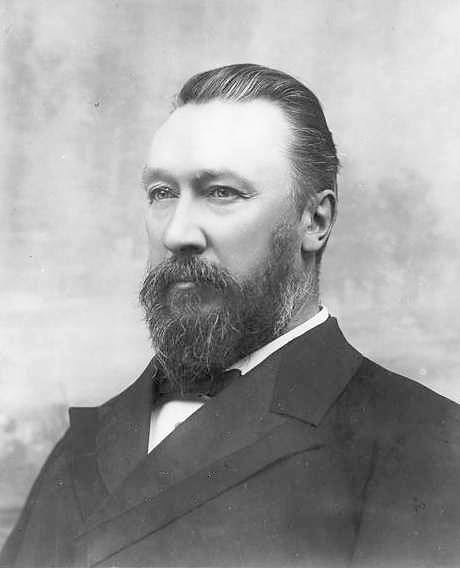


Geography and population centres
Lyne covers a stretch of coastline and adjacent inland country on the Mid North Coast. The electorate includes a number of regional centres and smaller townships that serve as commercial and service hubs for surrounding rural districts. While not densely urban, the division contains significant population concentrations concentrated around the coast and major river valleys.
- Major centres: Port Macquarie, Taree, Wauchope
- Other towns: Laurieton, Wingham, Gloucester
- Peripheral areas: parts of the Kempsey hinterland and adjacent rural districts
History and naming
The division was established at a mid-20th century redistribution to reflect population growth and changing settlement patterns. It bears the name of Sir William Lyne, who was prominent in New South Wales politics at the time of Australia's entry into nationhood. Early constitutional events in the 1900s involved Lyne when the first Governor-General, Lord Hopetoun, temporarily asked him to form a federal government; as Lyne lacked broader parliamentary support, Edmund Barton ultimately assumed the role of the first Prime Minister of Australia.
Economy and local issues
Lyne's economy is diverse for a regional electorate. Coastal tourism and retirement living are important, especially in Port Macquarie, while agriculture, forestry and fishing underpin inland and river communities. Local issues frequently raised in public debate include coastal development and environmental protection, water management for river valleys, infrastructure to serve dispersed populations and resilience to bushfires and storms.
Political character and representation
Historically the division has been rural-leaning in its voting patterns and has often been represented by members of the conservative rural parties at federal level. Its electorate profile—an older-than-average population in many towns, mixed economies and a combination of coastal and inland communities—shapes the policy priorities and campaigning strategies of candidates. Redistributions by the electoral authority periodically adjust the division's boundaries to reflect demographic change, which can influence its political balance.
Questions and answers
Q: What is the Division of Lyne?
A: The Division of Lyne is an electoral division in the state of New South Wales, Australia.
Q: Who was Sir William Lyne?
A: Sir William Lyne was a Premier of New South Wales at the time of Federation and a minister in early Australian governments.
Q: What was Lyne asked to do by the first Governor-General, Lord Hopetoun?
A: Lyne was asked by the first Governor-General, Lord Hopetoun to form the first Federal Government.
Q: How did Lyne become involved in the formation of the first Federal Government?
A: Lyne became involved in the formation of the first Federal Government when he was asked by the first Governor-General, Lord Hopetoun to form it.
Q: Who became the first Prime Minister of Australia?
A: Edmund Barton became the first Prime Minister of Australia.
Q: What areas does the Division of Lyne include?
A: The Division of Lyne includes Port Macquarie, Taree, Wauchope, Laurieton, Wingham, Gloucester, and parts of Kempsey.
Q: When was the Division of Lyne set up?
A: The Division of Lyne was set up in 1949.
Related articles
Author
AlegsaOnline.com Division of Lyne Leandro Alegsa
URL: https://en.alegsaonline.com/art/27921
Sources
- vtr.aec.gov.au : "NSW Division - Lyne, NSW"
- aec.gov.au : "Profile of the electoral division of Lyne (NSW)"