
Division of Kooyong (Australian federal electoral division)
An Australian federal electorate in Victoria, created in 1901. Covers inner-eastern Melbourne suburbs, named after the Kooyong area; notable for its long non-Labor history and prominent representatives.
Overview
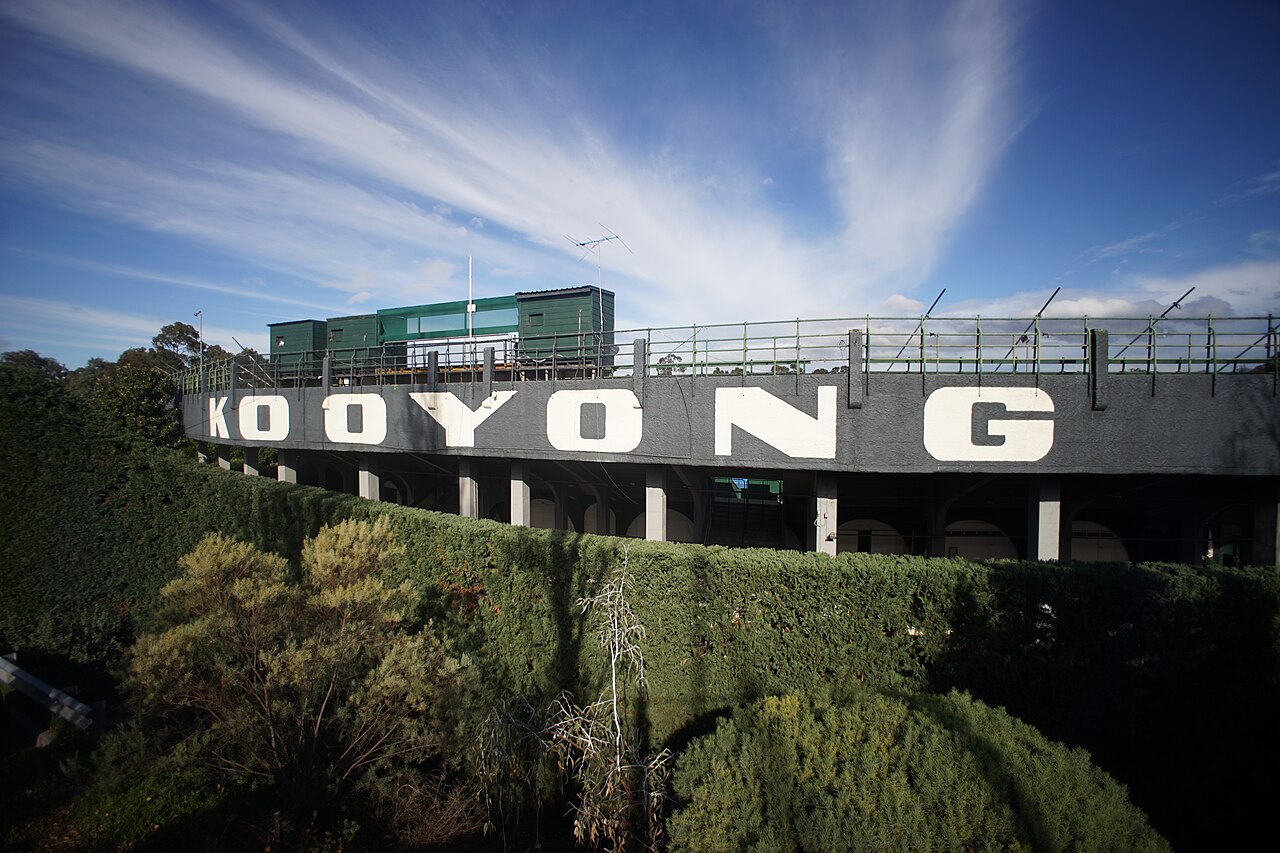
The Division of Kooyong is a federal electoral division in the state of Victoria. One of the original electorates contested at Australia’s first federal election in 1901, Kooyong occupies inner-eastern suburbs of Melbourne and has been a significant seat in national politics for more than a century. The electorate takes its name from the suburb of Kooyong, an Indigenous word often interpreted as "resting place."
Image gallery
10 Images




Geography and suburbs
Kooyong covers a compact urban area made up of well-established neighbourhoods. Major suburbs commonly included within its boundaries are Kew, Hawthorn, Hawthorn East, Balwyn, Canterbury, Camberwell and Surrey Hills. Because electoral boundaries are periodically redrawn, the precise suburbs inside the division change over time; the suburb of Kooyong itself now lies outside the electorate and is part of the Division of Higgins.
Political profile and history
The division has historically been a stronghold for non-Labor parties and is widely regarded as an affluent, high-education electorate with active civic participation. It has been represented by several prominent parliamentarians; most notably, Sir Robert Menzies represented Kooyong for much of his parliamentary career and became Australia’s longest-serving prime minister. In recent decades the seat continued to be influential, represented by senior figures in national politics.
Recent developments and representation
Kooyong’s political landscape has evolved with changing community concerns, including public transport, schools, heritage conservation and climate policy. These shifts contributed to competitive contests in the 21st century and increased interest from independent and community-backed candidates. For official information about the division, boundary changes and current representation, see the Australian Electoral Division resources at this reference and state electoral material for Victoria.
Notable features and significance
- Name origin: "Kooyong" comes from an Indigenous Australian word commonly translated as a resting place.
- Redistribution impact: Electorate borders are adjusted regularly; the historic name remains even when the namesake suburb lies outside the division.
- Socioeconomic character: The area is known for relatively high household incomes, established housing, and active local advocacy on urban issues.
Kooyong illustrates how long-standing electoral divisions can retain historical identity while adapting to demographic change and evolving political currents. For further background and boundary maps consult the electoral authorities linked above.
Questions and answers
Q: What is the Division of Kooyong?
A: The Division of Kooyong is an Australian Electoral Division in the state of Victoria.
Q: When was the Division of Kooyong established?
A: The Division of Kooyong was established for the first Federal election in 1901.
Q: Which suburbs are included in the Division of Kooyong?
A: The Division of Kooyong includes the suburbs of Kew, Hawthorn, Hawthorn East, Balwyn, Canterbury, Camberwell and Surrey Hills.
Q: Why is it called the Division of Kooyong?
A: The Division of Kooyong is named after the suburb of Kooyong, which is an Indigenous Australian word meaning resting place.
Q: Is the suburb of Kooyong still in the Division of Kooyong?
A: No, the suburb of Kooyong is no longer in the Division of Kooyong and is now in the Division of Higgins due to boundary changes over the years.
Q: What is the significance of the Division of Kooyong being one of the divisions for the first Federal election?
A: The Division of Kooyong being one of the divisions for the first Federal election indicates its historical significance in the Australian political landscape.
Q: What other areas are included in the Division of Higgins?
A: The text does not mention other areas included in the Division of Higgins.
Related articles
Author
AlegsaOnline.com Division of Kooyong (Australian federal electoral division) Leandro Alegsa
URL: https://en.alegsaonline.com/art/27909
Sources
- aec.gov.au : "Profile of the electoral division of Kooyong (Vic)"