
Division of Jagajaga
An Australian federal electoral division in north‑eastern Melbourne, created in 1984 and named for three Wurundjeri elders associated with the 1835 Batman Treaty.
Overview
The Division of Jagajaga is a federal electoral district in Australia. It is one of the country’s constituencies for the House of Representatives and forms part of the system of Australian Electoral Divisions. Jagajaga lies within the state of Victoria, occupying suburbs to the north‑east of Melbourne and positioned generally north of the Yarra River. The division was first proclaimed for the federal election held after its creation in 1984.
Image gallery
4 Images

Boundaries and communities
Jagajaga covers a mix of inner‑edge and outer suburban neighbourhoods, with areas that range from established residential suburbs to patches of bush and semi‑rural land. Its boundaries have changed over time through redistributions conducted by the Australian Electoral Commission to reflect population shifts. The division includes, among others, the following suburbs and localities:
- Ivanhoe
- Eaglemont
- Heidelberg and Heidelberg Heights
- Rosanna and Viewbank
- Lower Plenty and Macleod
- Eltham and Research
- Bundoora and Greensborough
- Macleod, Montmorency, Briar Hill, St Helena
- North Warrandyte, Kangaroo Ground, Yallambie and Watsonia
Name and historical context
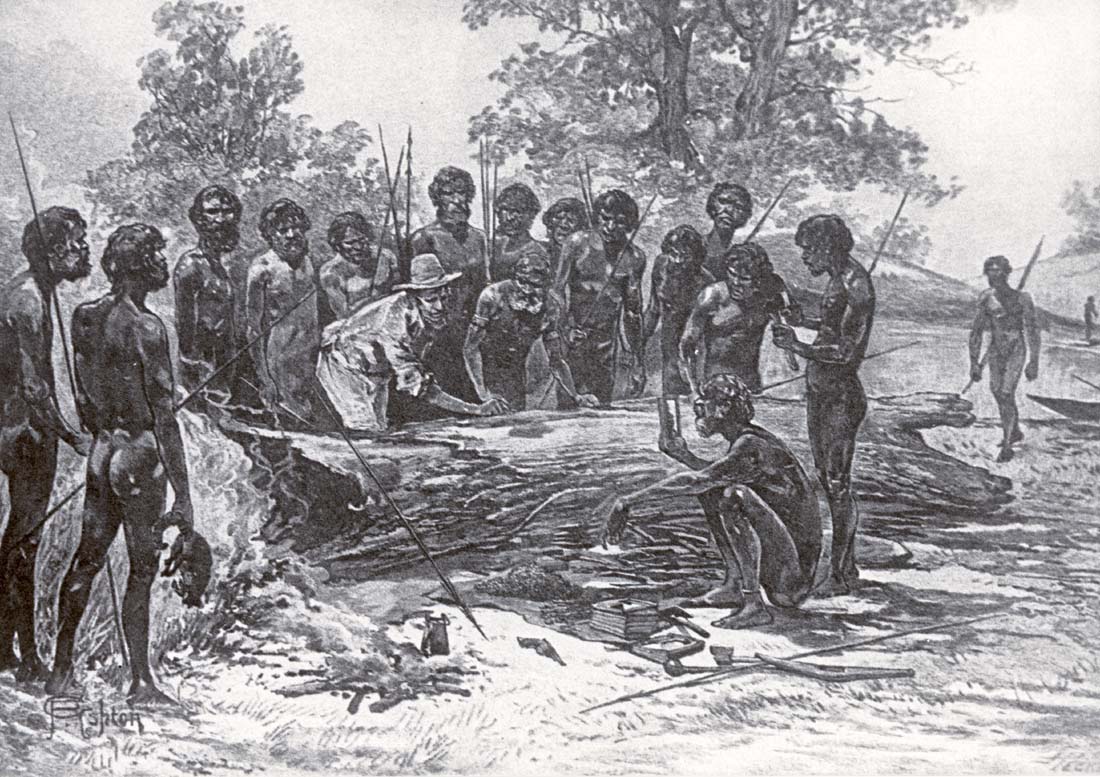
The electorate takes its name from three Wurundjeri men who entered into an agreement with one of Melbourne’s early European settlers in 1835. The naming recognises the Indigenous presence and the historical event often referred to as the Batman Treaty; the Indigenous signatories are remembered in the division’s name. The history of that encounter is part of the broader, complex story of colonisation in the Port Phillip region and is invoked in the division’s identity.
Administration and political role
As a federal seat, Jagajaga elects one member to Australia’s House of Representatives. Electoral boundaries are reviewed periodically by the AEC to maintain roughly equal representation. The division encompasses residential communities, local businesses and institutional precincts; these demographic features shape local issues and the priorities of parliamentary representation. For official information about boundaries, members and election results see the Australian Electoral Commission and related government sources.
Local features and notable facts
Jagajaga contains a variety of open spaces, community facilities and educational institutions. Parts of the electorate are valued for their bushland character and parklands, while other parts include established shopping and civic centres. Its mix of suburbs reflects changing suburban development patterns around Melbourne’s northern corridors. The name connects the electorate to Indigenous history through the Wurundjeri people and the episode involving Wurundjeri elders and settler John Batman.
For maps, contemporary boundary descriptions and electoral data consult authoritative resources and the links provided by electoral authorities and local councils.
Questions and answers
Q: What is the Division of Jagajaga?
A: The Division of Jagajaga is an Australian Electoral Division in the state of Victoria.
Q: What areas does the Division of Jagajaga cover?
A: The Division of Jagajaga covers the north-eastern suburbs of Melbourne north of the Yarra River. It includes the suburbs of Ivanhoe, Eaglemont, Bellfield, Heidelberg, Rosanna, Viewbank, Lower Plenty, Macleod, Yallambie, Eltham, Watsonia, Bundoora, Greensborough, Montmorency, Briar Hill, St Helena, Research, North Warrandyte and Kangaroo Ground.
Q: When was the Division of Jagajaga set up?
A: The Division of Jagajaga was set up in 1984.
Q: Why was the Division of Jagajaga named after three Wurundjeri indigenous Australian men?
A: The Division of Jagajaga was named after three Wurundjeri indigenous Australian men who signed the Batman Treaty with one of the founders of Melbourne, John Batman, in 1835.
Q: Who was involved in the signing of the Batman Treaty?
A: The signing of the Batman Treaty involved three Wurundjeri indigenous Australian men and one of the founders of Melbourne, John Batman.
Q: Which river does the Division of Jagajaga cover the north-eastern suburbs of Melbourne north of?
A: The Division of Jagajaga covers the north-eastern suburbs of Melbourne north of the Yarra River.
Q: What are some of the suburbs included in the Division of Jagajaga?
A: Some of the suburbs included in the Division of Jagajaga are Ivanhoe, Eaglemont, Bellfield, Heidelberg, Rosanna, Viewbank, Lower Plenty, Macleod, Yallambie, Eltham, Watsonia, Bundoora, Greensborough, Montmorency, Briar Hill, St Helena, Research, North Warrandyte and Kangaroo Ground.
Related articles
Author
AlegsaOnline.com Division of Jagajaga Leandro Alegsa
URL: https://en.alegsaonline.com/art/27905