
Division of Hunter (Australian federal electoral division)
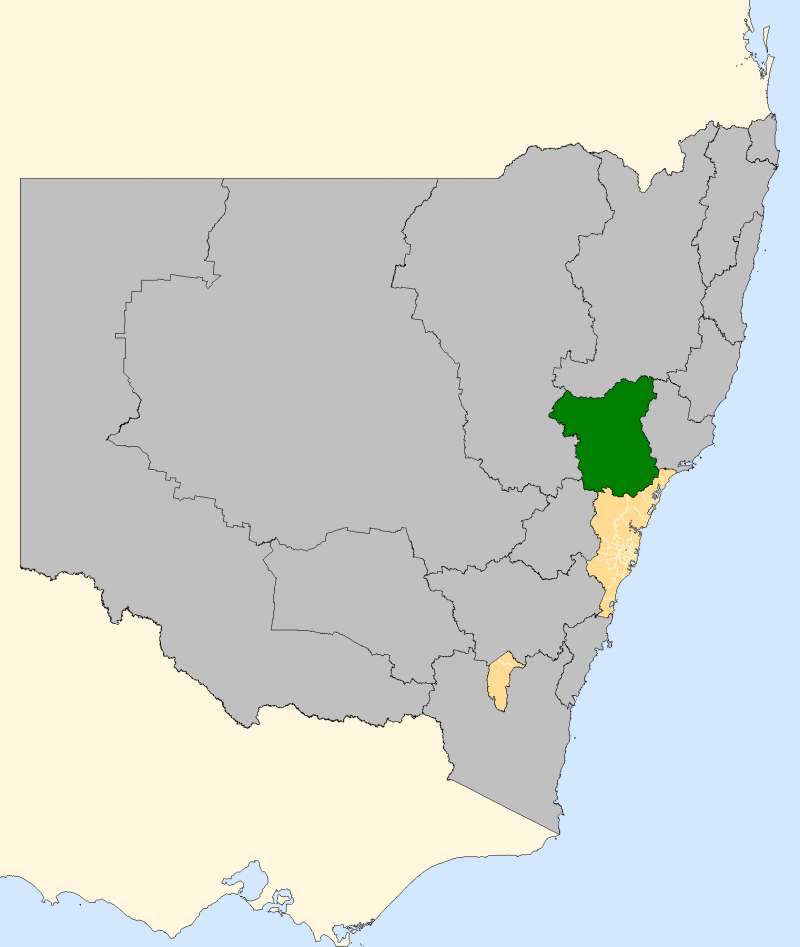
A federal electoral division in northern New South Wales covering much of the Hunter Valley. Created in 1901, it is historically linked to mining, agriculture and regional communities.
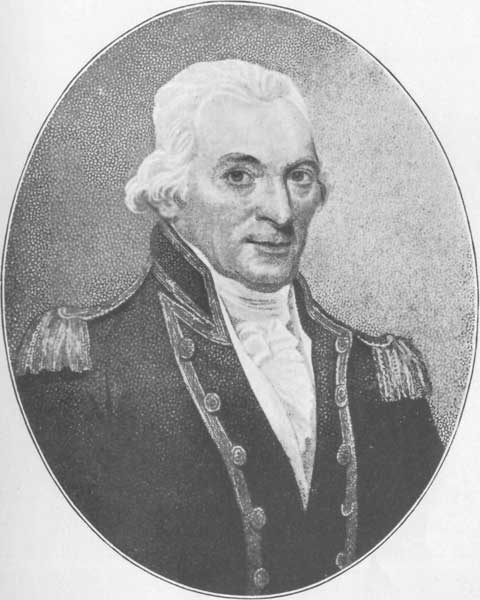
The Division of Hunter is an Australian federal electoral division in the northern part of the state of New South Wales. Established in 1901 as one of the original 75 divisions at Federation, it takes its name from Captain John Hunter, the second Governor of New South Wales. The seat covers much of the Hunter Valley region and has historically represented a mix of rural, regional and mining communities.
Image gallery
10 Images




Geography and economy
The electorate lies within the broad Hunter Valley area, a landscape of river plains, coalfields, vineyards and small towns. Parts of the seat include or have included communities such as Singleton, Maitland, Muswellbrook, Cessnock and Denman. Economic activity in the region is varied: extensive coal mining and related energy industries coexist with agriculture, viticulture, light manufacturing and tourism. These local industries have a strong influence on the electorate’s priorities and on federal policy debates that affect the area.
History and political profile
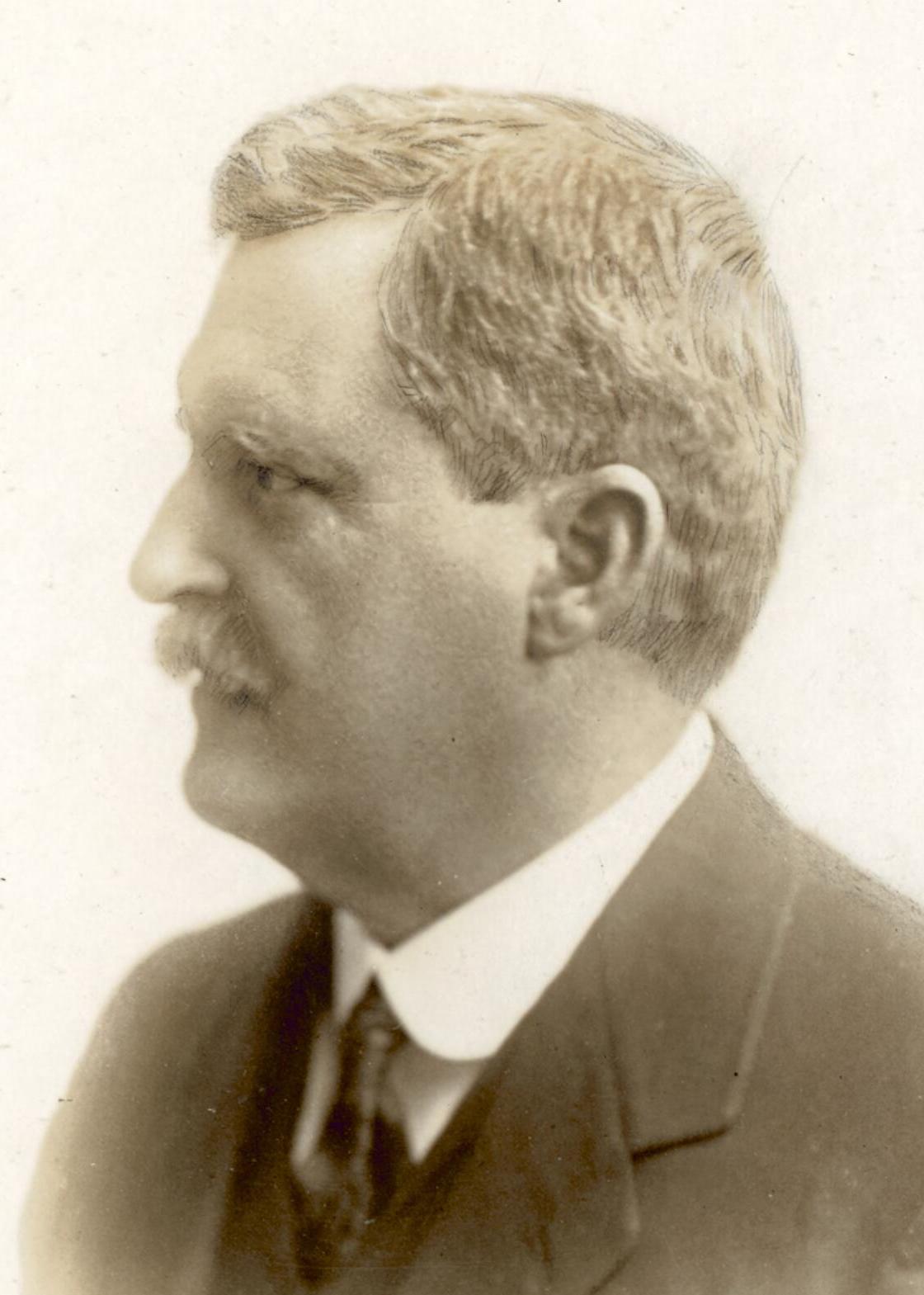
As one of the first federal divisions created at the time of Australian Federation, Hunter has a long parliamentary history. The electorate has often been associated with labour and mining communities and, for much of the 20th and early 21st centuries, it has been regarded as a seat of significance for issues affecting workers, regional development and resources policy. While party control has varied over time, the social and economic character of the region—particularly its links to mining and unions—has strongly shaped its political profile.
Redistributions and recent changes
Federal electoral boundaries in Australia are reviewed regularly through a redistribution process administered by the Australian Electoral Commission. Redistributions respond to changes in population and to constitutional requirements about the number of seats allocated to each state. In recent decades, population shifts in New South Wales and elsewhere have prompted boundary adjustments that can add or remove towns from Hunter, altering its demographic mix and electoral boundaries.
Proposals published in the mid-2010s illustrated how redistributions can affect historic names and areas. Because there is a convention to preserve the names of several original 1901 divisions where practicable, proposals at one point suggested that the neighbouring Division of Charlton could be renamed Hunter as part of broader boundary changes. Such proposals are part of a formal public and technical process that considers community of interest, means of communication, physical features and existing administrative boundaries.
Representation, issues and community concerns
Major issues in the division often reflect its mixed economy: employment and training, the future of coal and energy industries, water management, transport and regional infrastructure, health and education in country towns, and environmental management of agricultural and natural areas. The electorate’s representatives in the House of Representatives have typically been expected to balance support for local industry with broader national policy positions, and to advocate for investment in regional services.
Boundaries, demographics and voting
Over time, redistributions and demographic change have influenced the size and shape of the electorate and the balance of urban, peri-urban and rural voters. These shifts can change local priorities and electoral outcomes, making redistributions a significant political event for residents and parties. For residents seeking the latest boundary maps, enrolment details or formal notices about proposed changes, the AEC provides information and consultation processes during each redistribution period.
Further context
- The Division forms part of the broader Hunter Valley region, widely known for coal production and vineyards.
- Key towns associated with the electorate include Maitland and Singleton, which function as regional service centres.
- The name honours an early colonial governor, John Hunter, linking the seat to Australia’s colonial and maritime history.
- Redistribution procedures and proposals are managed by the Australian Electoral Commission and can lead to adjustments such as the proposed renaming of Charlton to preserve historic division names.
- The seat sits within the political framework of New South Wales and reflects wider demographic and economic trends affecting the state and nation.
Today the Division of Hunter remains a notable example of a regional Australian electorate whose history and present circumstances illustrate the interplay of local economies, community identity and federal representation. For detailed, up-to-date information about current boundaries, enrolled electors and official determinations, consult authoritative electoral notices and resources provided through electoral authorities and local government channels.
Questions and answers
Q: Where is the Division of Hunter located?
A: The Division of Hunter is located in northern rural New South Wales.
Q: Which towns are included in the Division of Hunter?
A: The Division of Hunter covers much of the Hunter Valley region, including the towns of Singleton, Maitland, Muswellbrook, Cessnock and Denman.
Q: Who was the Division of Hunter named after?
A: The Division of Hunter was named after Captain John Hunter, the second Governor of New South Wales.
Q: When was the Division of Hunter created?
A: The Division of Hunter was one of the original 75 divisions created for the first Federal election in 1901.
Q: Why is the Division of Hunter being abolished?
A: The Australian Electoral Commission said that the Division of Hunter would be abolished at the next election due to population changes, and a new division will be created in Western Australia.
Q: What will happen to the area covered by the Division of Hunter?
A: The area covered by the Division of Hunter will be added to nearby divisions, as the boundaries of many NSW divisions will have to be changed.
Q: Will the name of the Division of Hunter be kept?
A: Yes, under AEC rules, the names of the original 1901 divisions should be kept, so the Division of Charlton will be renamed Hunter.
Related articles
Author
AlegsaOnline.com Division of Hunter (Australian federal electoral division) Leandro Alegsa
URL: https://en.alegsaonline.com/art/27902
Sources
- abc.net.au : Australian Electoral Commission to abolish Federal NSW seat of Hunter: ABC 16 October 2015
- blogs.crikey.com.au : Draft federal redistribution of New South Wales: Poll Bludger
- aec.gov.au : Division of Hunter - Australian Electoral Commission