
Division of Gellibrand (Australian federal electoral division)
An Australian federal electorate in inner-west Melbourne, created in 1949 and named for Joseph Gellibrand. Covers industrial and residential suburbs including Footscray, Newport, Altona and Williamstown.
Overview
The Division of Gellibrand is a federal electoral division in the state of Victoria. Created for the 1949 election, it is one of the constituencies that returns a member to the Australian House of Representatives. The division takes its name from Joseph Gellibrand, a 19th-century lawyer and explorer, and occupies a compact urban area in the inner western suburbs of Melbourne. It is formally listed as an Australian Electoral Division and is subject to periodic redistribution of boundaries under national electoral law.
Image gallery
7 Images



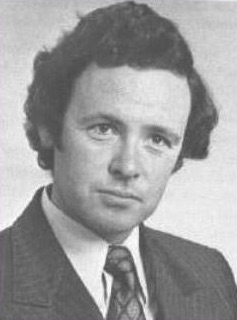


Geography and suburbs
Gellibrand covers about 102 km² of largely inner-metropolitan terrain. The electorate includes a mix of residential neighbourhoods, light industrial precincts and coastal areas. Prominent suburbs within its boundaries include:
- Footscray — a major local centre with commercial activity and community services
- Maidstone — a residential area close to inner-city amenities
- Newport — located near waterways and transport links
- Altona — a coastal suburb with established housing
- Williamstown — a historic port-side community
History and development
Established as part of the post‑war expansion of federal electorates, Gellibrand's boundaries and demographic profile have evolved with Melbourne's growth. Redistributions by the Australian Electoral Commission have adjusted its limits to reflect population changes; as a result, the precise suburbs included have shifted over time while the division has remained anchored in the inner west. The name commemorates Joseph Gellibrand, noted in colonial records as an early lawyer and explorer in what became the state of Victoria.
Political profile and importance
As an inner‑metropolitan electorate, Gellibrand focuses on urban issues such as public transport, local employment, housing affordability and environmental management of waterways and coastlines. Historically it has been represented in the federal parliament by members attentive to these city-centre priorities. The division is considered significant for understanding urban voting patterns in Melbourne and for parties seeking support among working‑class and culturally diverse communities.
Characteristics and notable facts
Gellibrand combines older industrial zones and newer residential developments, creating a varied local economy and a multicultural population. Its coastal precincts and proximity to major transport routes make planning, infrastructure and environmental protection recurring themes in local politics. The electorate also contains community institutions, schools and small business precincts that reflect its long-established suburbs and ongoing urban renewal.
Further information
Electoral details, current boundaries and enrolment procedures are maintained by the Australian Electoral Commission and local state resources; readers can follow official links for up‑to‑date maps and member information. For broader context about Victoria and Melbourne's suburban structure consult regional sources and planning documents linked through official portals.
Questions and answers
Q: What is the Division of Gellibrand?
A: The Division of Gellibrand is an Australian Electoral Division located in Victoria.
Q: Who is it named after?
A: It is named after Joseph Gellibrand, a lawyer and explorer.
Q: When was it created?
A: It was created in 1949.
Q: What is the geographical size of the Division of Gellibrand?
A: The Division of Gellibrand covers an area of 102 km².
Q: What are some of the suburbs included in the Division of Gellibrand?
A: The suburbs included in the Division of Gellibrand are Footscray, Maidstone, Newport, Altona and Williamstown.
Q: What region of Melbourne does the Division of Gellibrand cover?
A: The Division of Gellibrand covers the inner western suburbs of Melbourne.
Q: Is the Division of Gellibrand located in Victoria?
A: Yes, the Division of Gellibrand is located in Victoria.
Related articles
Author
AlegsaOnline.com Division of Gellibrand (Australian federal electoral division) Leandro Alegsa
URL: https://en.alegsaonline.com/art/27883