
Diprotodontia: The Australasian marsupial order
Diprotodontia is a diverse order of Australasian marsupials—about 120 species including kangaroos, wallabies, possums, koala and wombats—defined by forward lower incisors and syndactylous feet.
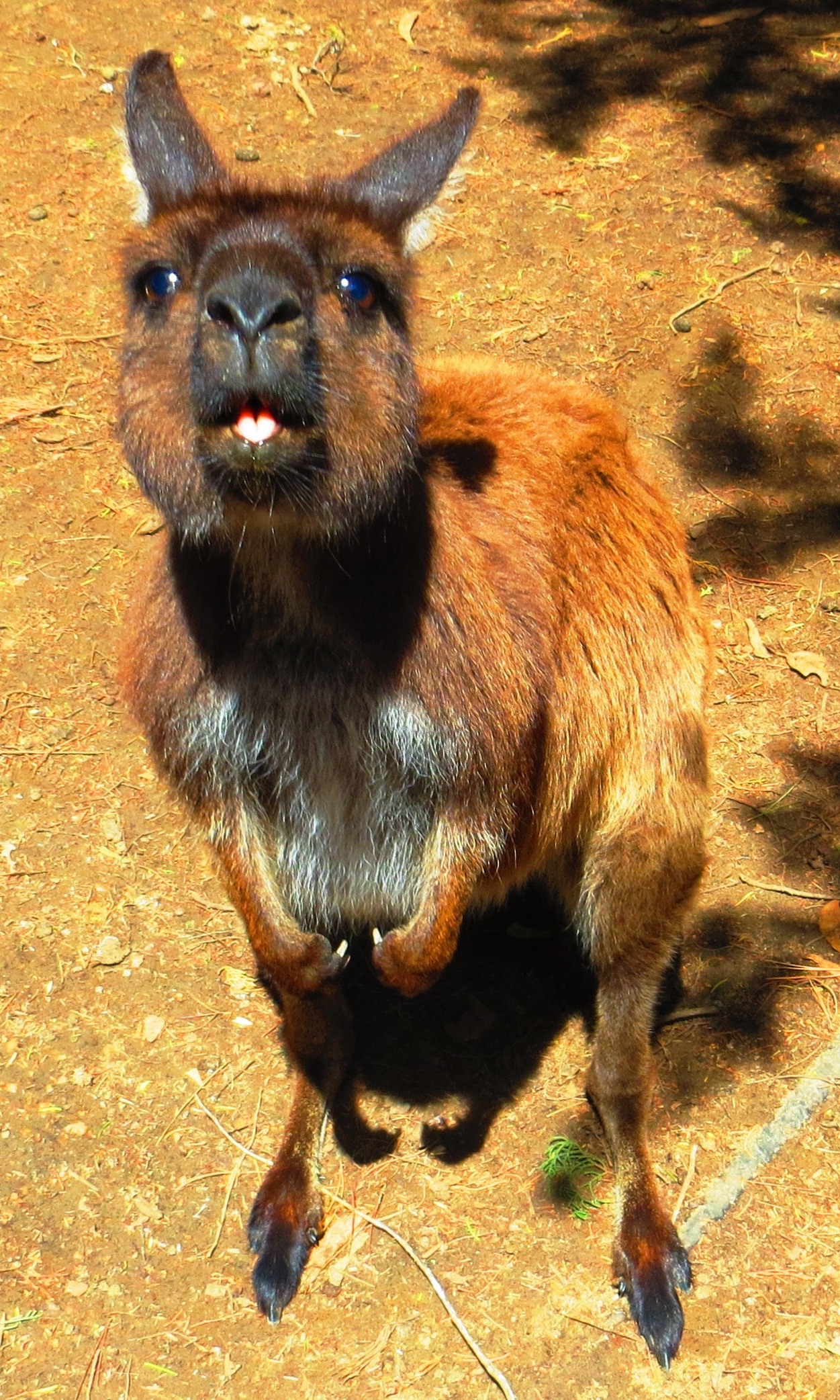
The order Diprotodontia comprises a large and varied group of marsupial mammals native mainly to Australia, New Guinea and nearby islands. Members range from small arboreal possums to the hopping macropods and the squat, burrowing wombats. The name refers to a characteristic dental arrangement: two large, forward-projecting lower incisors. Diprotodonts play important roles in their ecosystems and include both widespread living species and well-known extinct megafauna.
Image gallery
3 Images

Defining characteristics
Diprotodonts share a suite of traits that distinguish them from other marsupials. The most diagnostic feature is the diprotodont dentition—two enlarged lower incisors. Many also show syndactyly, a condition in which the second and third toes are fused or closely bound within a common skin sheath, aiding grooming and locomotion. Reproduction follows the typical marsupial pattern: a short gestation and extended development of the young in a pouch or on the mother's belly.
Classification and notable groups
- Macropodiformes — the kangaroos and wallabies, including familiar kangaroos and wallabies, adapted for hopping and grazing.
- Phalangeriformes — mostly arboreal species such as many possums, with nocturnal and omnivorous habits.
- Vombatiformes — robust diggers including the wombats and the leaf-eating koala.
- Other smaller lineages and a number of extinct families broaden the order's diversity.
Evolution and fossil record
Diprotodontia has a long fossil history in Australasia. Fossils show the group diversified into many ecological roles, producing both small tree-dwellers and very large herbivores. Among the best-known extinct members are the giant genus Diprotodon, often described as the largest known marsupial, and predatory taxa such as the so-called "marsupial lion". These finds help reconstruct past environments and the effects of climate change and human arrival on megafaunal extinctions.
Ecology, human interactions and conservation
Living diprotodonts occupy a wide variety of habitats: forests, woodlands, grasslands and arid regions. They act as grazers, browsers and seed dispersers, and in some cases ecosystem engineers (for example, wombats alter soils through digging). Several species are common and adaptable, but others face threats from habitat loss, introduced predators and disease—most notably conservation concerns for the koala and some island possums. Understanding diprotodont biology is important for management and restoration of Australasian ecosystems.
For general context, the order is usually presented within broader accounts of Australasian fauna and as part of the wider group of marsupials. Extinct examples like Thylacoleo and Diprotodon illustrate how varied diprotodont evolution has been and why the group is central to studies of the region's natural history.
Questions and answers
Q: What is the Diprotodontia?
A: The Diprotodontia is a large order of about 120 Australasian marsupial mammals.
Q: What animals are included in the Diprotodontia order?
A: The order includes kangaroos, wallabies, possums, koalas, wombats, and many others.
Q: Are there any extinct members of the Diprotodontia family?
A: Yes, the extinct members include the giant Diprotodon family and Thylacoleo, the so-called "marsupial lion".
Q: What is a marsupial mammal?
A: A marsupial mammal is a type of animal that has a pouch (marsupium) in which their young develop after birth.
Q: What is the Diprotodon family?
A: The Diprotodon family is an extinct family of the Diprotodontia order.
Q: What is Thylacoleo?
A: Thylacoleo is the so-called "marsupial lion" that was part of the Diprotodontia order.
Q: Where are Australasian marsupial mammals found?
A: Australasian marsupial mammals are found in Australia, New Guinea, and nearby islands.
Related articles
Author
AlegsaOnline.com Diprotodontia: The Australasian marsupial order Leandro Alegsa
URL: https://en.alegsaonline.com/art/27575