
Diogenes of Sinope (Diogenes the Cynic)
Ancient Greek philosopher Diogenes of Sinope (c. 412–323 BC), foundational figure of Cynicism, famed for ascetic practices, confrontational public acts, and memorable anecdotes such as searching for an “honest man.”
Overview
Diogenes of Sinope, commonly called Diogenes the Cynic, is one of the most striking figures of classical Greek philosophy. Traditional accounts place his life in the late fifth and fourth centuries BC (c. 412–323 BC). He is remembered less for preserved writings than for a bundle of anecdotes, sayings and theatrical acts that illustrate a sustained critique of social pretension and material dependence.
Image gallery
10 Images




Origins and early life
Born in the Greek colony of Sinope on the Black Sea, Diogenes is said to have been involved in a scandal over the city mint and to have been exiled. After leaving Sinope he travelled to the Greek mainland, finally settling at times in Athens and later in Corinth. Sources differ on chronological detail, but agree that his adult life was spent in outspoken practice rather than in composing systematic texts.
Philosophical stance and practices
Diogenes is classically seen as a key successor of Antisthenes and as a formative figure in Cynicism. Cynic teaching prized autarkeia (self-sufficiency), shamelessness about natural needs, and a radical rejection of wealth, status and conventional comforts. Diogenes put these ideas into practice: living frugally, rejecting ostentation, begging or working for subsistence, and using public performance to test moral claims.
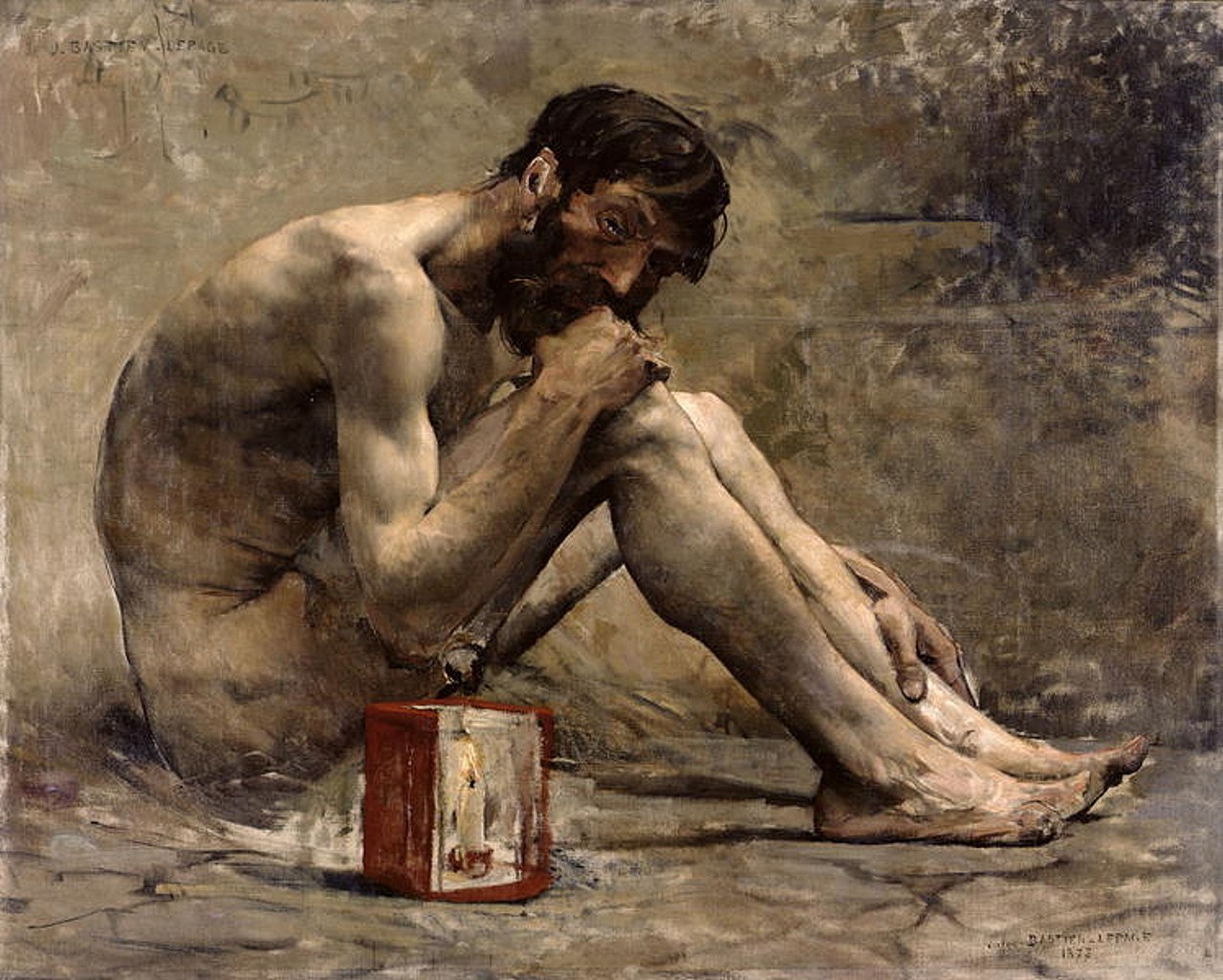
He reportedly lived in a large ceramic container or simple shelter rather than a house, an emblem of his deliberate poverty, and was known for carrying a lamp in daylight, saying he was searching for an honest man. Later tradition also credits him with uttering an early formulation of world citizenship, declaring himself a cosmopolitan rather than solely an Athenian or a Sinopean.
Anecdotes and public confrontations
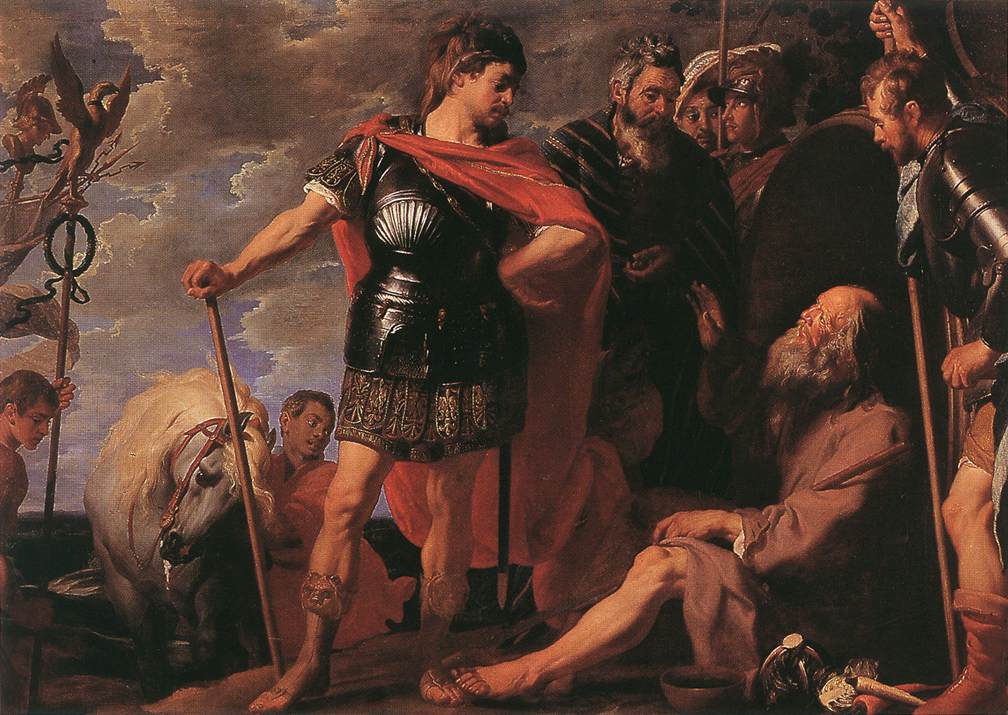
Many surviving stories show Diogenes as a figure of public satire. He mocked the inflated language and practices of other philosophers and civic leaders, famously antagonising Plato and offering pointed corrections to popular accounts of Socrates. One well-known anecdote relates how he told Alexander the Great to stand aside because the conqueror was blocking his sun. Such tales are preserved because they dramatize ethical points rather than because they are closely documented historical reports.
Travels, captivity and followers
Stories also tell of Diogenes’ capture by pirates and being sold into slavery, episodes that reinforce the theme of worldly instability. He is said to have taught or influenced pupils such as Crates of Thebes, who in turn instructed others. Through this chain Diogenes’ austerity and attacks on convention contributed to the background from which Zeno of Citium developed ideas that became central to Stoicism.
Sources and historical caution
No complete writings by Diogenes survive. Knowledge of him rests on later biographical sketches and collections of anecdotes, above all the compendium by Diogenes Laërtius, together with references scattered through classical literature. Because these accounts are often moralising and anecdotal, scholars treat particular episodes cautiously: the composite image is persuasive as a portrait of a philosophical persona rather than as a record of verifiable detail.
Further reading and entry points
- Ancient Greek philosophical context
- Sinope (Sinop) and regional background
- Corinth and later life
- Exile and early biography
- Athens as a philosophical centre
- Accounts of Diogenes' lifestyle
- The jar and living simply
- Relations with Plato
- Socratic connections and contrasts
- Stories involving Alexander
- Cynicism: principles and practice
- Cosmopolitanism and identity
- Captivity and anecdotes
- Zeno of Citium and transmission
- Stoicism’s connections
- Diogenes Laërtius and source collections
Diogenes remains a productive symbol for debates about the relationship between ethical theory and everyday conduct: his life invites questions about how philosophy should be lived, how social norms might be tested, and how contrarian action can be used to expose assumed goods.
Questions and answers
Q: Where was Diogenes of Sinope born?
A: Diogenes of Sinope was born in the town of Sinope (now called Sinop, Turkey) around the year 412 BC.
Q: What is Cynicism?
A: Cynicism is a philosophy that focuses on living a simple life without the need for money, fame, power, or possessions. It was created by Antisthenes and Diogenes.
Q: How did Diogenes make his living?
A: Diogenes made a virtue of poverty and he begged for a living.
Q: What did Alexander the Great do when he encountered Diogenes?
A: Alexander the Great publicly mocked Diogenes when they encountered each other.
Q: Who wrote about Diogenes' life and works?
A: Details of Diogenes' life come from anecdotes written by Diogenes Laërtius in his book Lives and Opinions of Eminent Philosophers as well as some other sources.
Q: What is Stoicism?
A: Stoicism is one of the main schools of Greek philosophy which was developed by Zeno of Citium after being taught cynicism by Crates who had learned it from Diogenes.
Q: What did Diogene do to disrupt Plato's lectures?
A: To disrupt Plato's lectures,Diogones would bring food into them and eat during the discussions.
Related articles
Author
AlegsaOnline.com Diogenes of Sinope (Diogenes the Cynic) Leandro Alegsa
URL: https://en.alegsaonline.com/art/27532
Sources
- books.google.com : Cynics
- penelope.uchicago.edu : Alexander 14
- philosophybasics.com : "The basics of philosophy"
- wikidata.org : wikidata.org/wiki/Q59180
- catalogo.bne.es : XX1040046
- catalogue.bnf.fr : cb134989147
- data.bnf.fr : (data)
- cantic.bnc.cat : a10488297
- d-nb.info : 118525867
- isni.org : 0000 0000 9260 571X
- id.loc.gov : n50060366
- aleph.nkp.cz : ola2008481283
- data.bibliotheken.nl : 069915547
- idref.fr : 068525354
- getty.edu : 500354445