
Dindigul district, Tamil Nadu — overview, history and administration
Dindigul district in south-central Tamil Nadu, India, formed in 1985 with headquarters at Dindigul city. Overview of geography, administration, population (2011), economy, culture and notable features.
Dindigul district is an administrative region in the south of Tamil Nadu, India. Formed in 1985 when it was separated from Madurai district, the district has its headquarters at Dindigul city. Covering approximately 6,266.64 square kilometres, the district combines agricultural plains, drylands and hilly tracts, and includes a mix of urban centres and rural panchayats.
Image gallery
6 Images
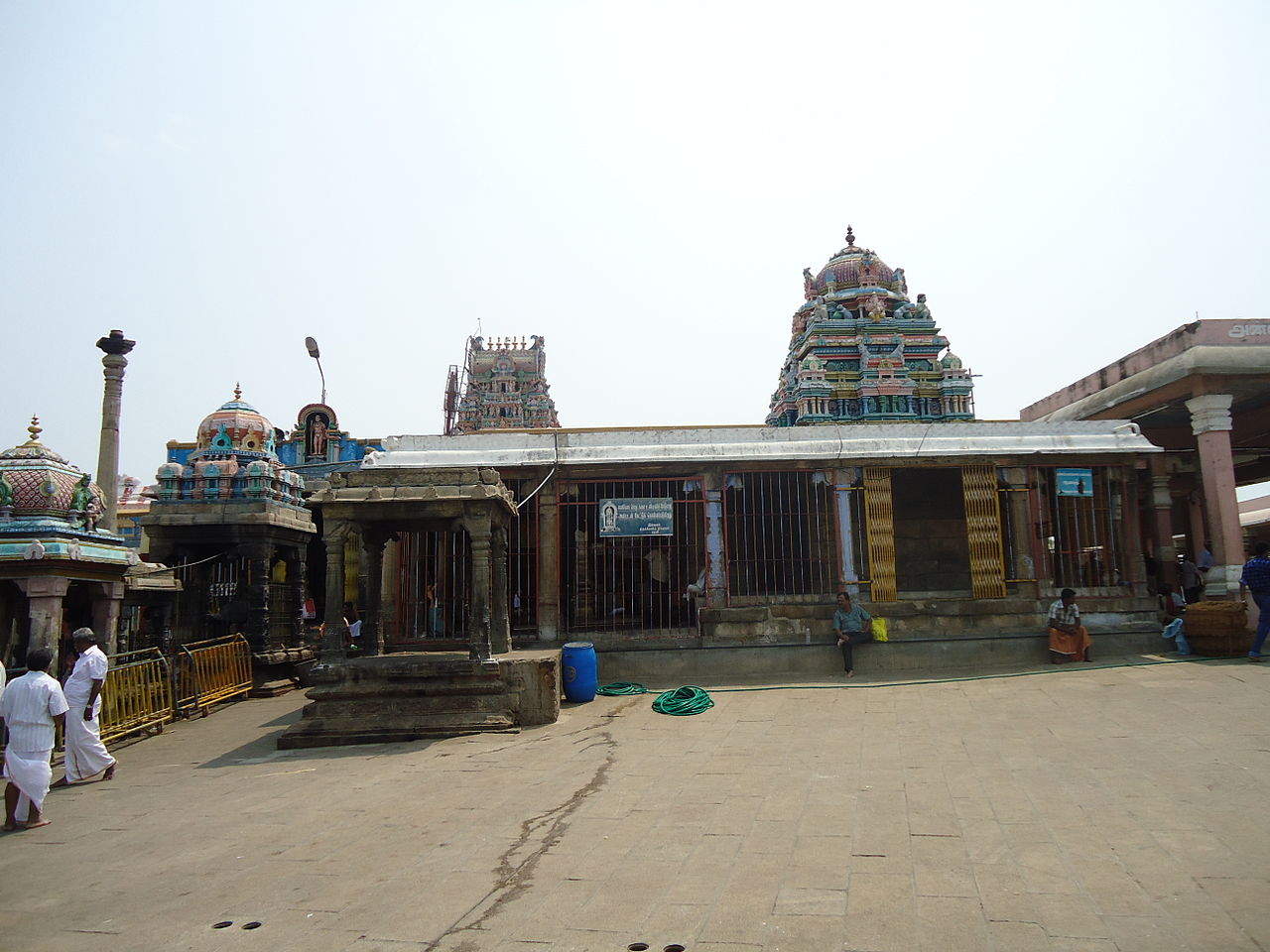


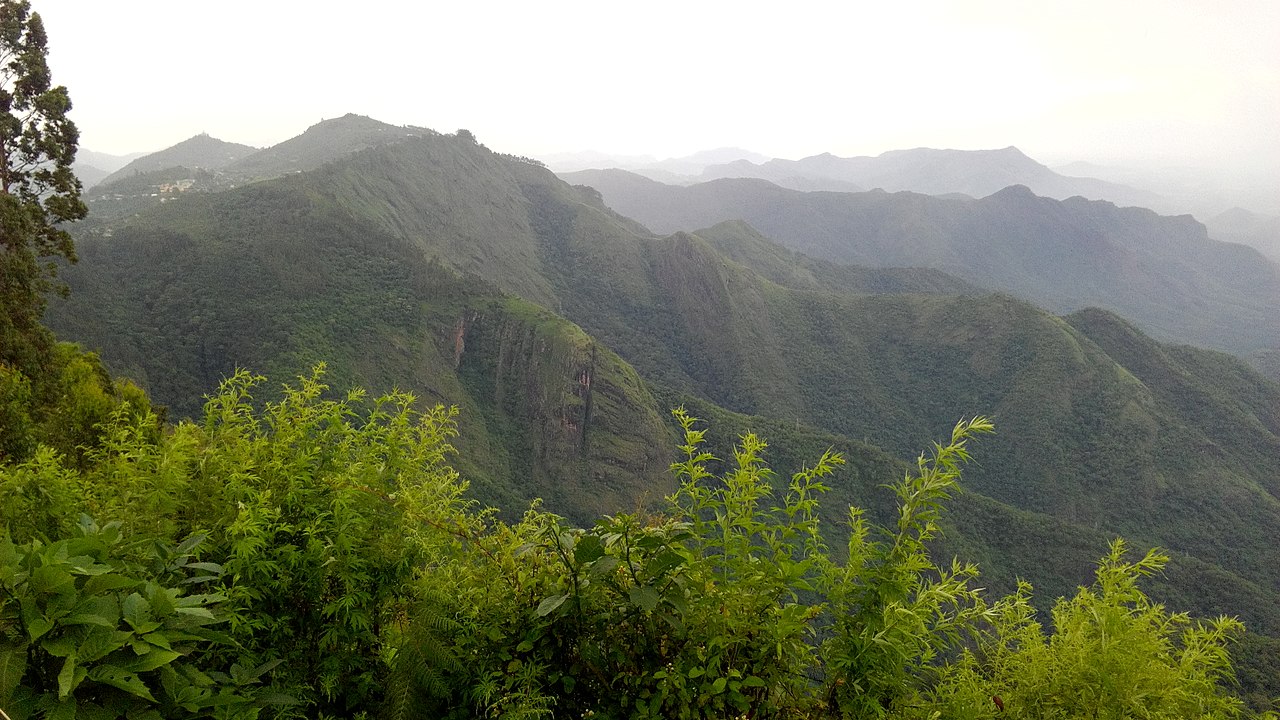
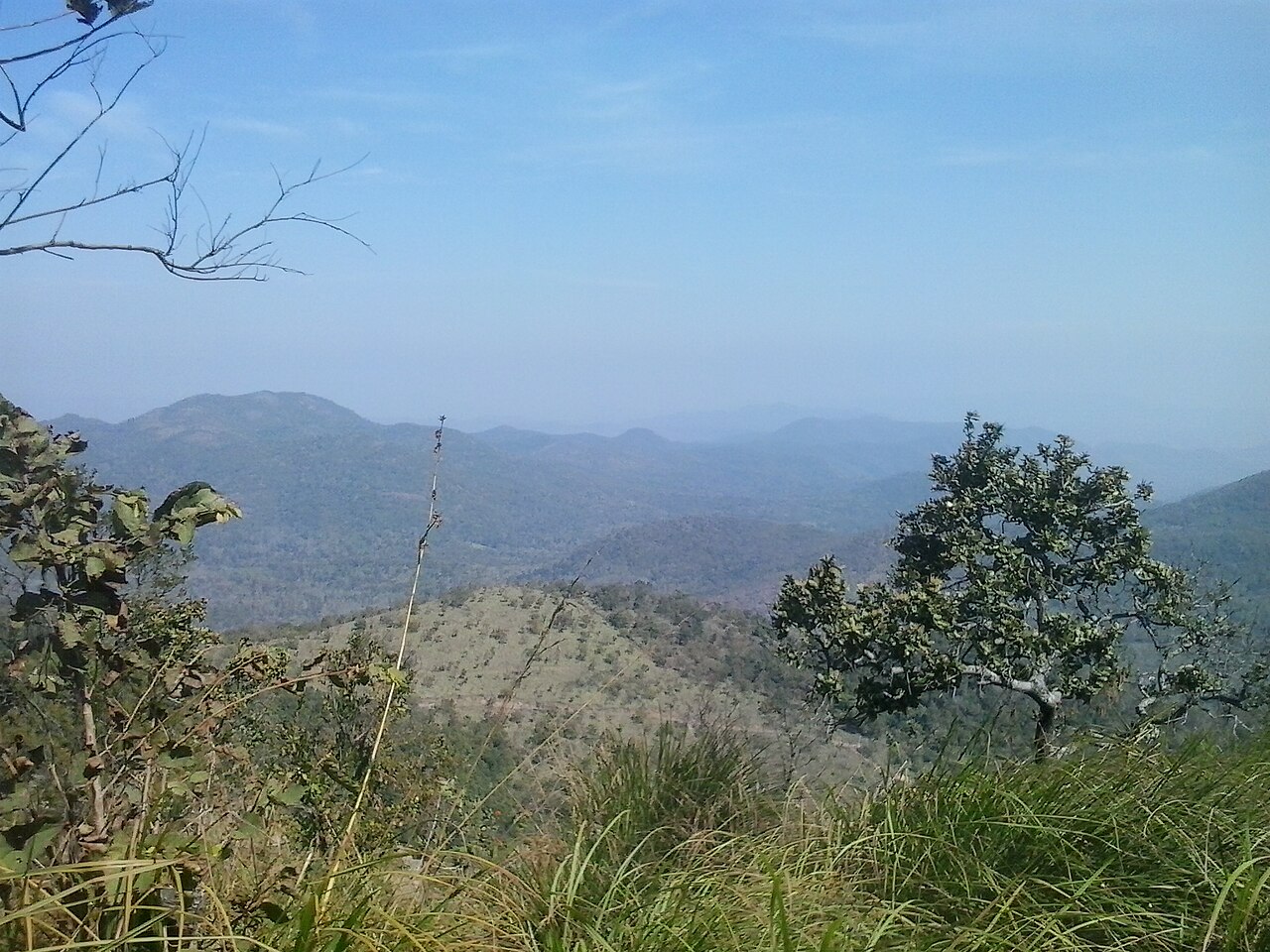
Geography and administration
Topographically Dindigul comprises a varied landscape with lowlands used for cultivation and ranges of hills that rise toward the Western Ghats. Administratively it is organised into three revenue divisions, nine taluks and 14 panchayat unions, with the municipal corporation at its core. The district's location in central-southern Tamil Nadu places it within reach of several regional centres, and its transport links connect agricultural and industrial producers to larger markets.
History and development
Dindigul's modern administrative identity dates from the mid-1980s reorganisation that created the district from portions of the older Madurai district. The area has a longer historical presence as a regional centre with forts, temples and markets that served surrounding rural areas. Over the late 20th and early 21st centuries Dindigul grew as a hub for small- and medium-sized enterprises while retaining strong agricultural activity in its countryside.
Population and social profile
According to the 2011 national census, the district had a population of 2,159,775 and a sex ratio of 998 females per 1,000 males, a figure higher than the national average at that time. The population is distributed across urban municipalities, smaller towns and many village panchayats. Literacy, health and infrastructure indicators vary by locality, with urban centres generally recording higher access to services than remote rural areas.
Economy, culture and uses
The district economy blends agriculture, manufacturing and services. Farmers grow staples and commercial crops adapted to local soils and rainfall patterns, while manufacturing is often concentrated in small-scale industries and traditional crafts. Dindigul and its towns are known regionally for distinctive local products and culinary specialties; local markets and festivals reflect a mix of agrarian cycle and urban commerce.
Notable facts and distinctions
- Dindigul functions as a district headquarters and administrative centre for nearby rural areas.
- The district contains historic sites, civic landmarks and natural features that attract regional visitors.
- It has an administrative structure comprising revenue divisions, taluks and panchayat unions that manage local governance and services.
For practical information such as current administrative contacts, development plans, or travel guidance consult official district resources or government publications. The district's profile continues to evolve with infrastructure projects, shifts in agricultural practices and the growth of small-scale industries that link it to broader state and national economies.
Questions and answers
Q: What is Dindigul district?
A: Dindigul district is an administrative region located in the south of Tamil Nadu, India.
Q: When was Dindigul district created?
A: Dindigul district was created in 1985, carved out from Madurai district.
Q: What is the headquarters of Dindigul district?
A: The headquarters of Dindigul district is Dindigul city.
Q: How big is Dindigul district?
A: Dindigul district has an area of 6266.64 km2.
Q: How many Revenue Divisions, Taluks, and Panchayat Unions does Dindigul district comprise?
A: Dindigul district comprises three Revenue Divisions, nine Taluks, and 14 Panchayat Unions.
Q: What is the population of Dindigul district according to the 2011 census of India?
A: According to the 2011 census of India, Dindigul district had a population of 2,159,775.
Q: What is the sex ratio of Dindigul district?
A: The sex ratio of Dindigul district is 998 females for every 1,000 males, which is much above the national average of 929.
Related articles
Author
AlegsaOnline.com Dindigul district, Tamil Nadu — overview, history and administration Leandro Alegsa
URL: https://en.alegsaonline.com/art/27477
Sources
- censusindia.gov.in : "Census Info 2011 Final population totals"
- nird.org.in : "A Note on the Backward Regions Grant Fund Programme"