
Dik-dik: small African antelopes of the genus Madoqua
Dik-diks are tiny, territorial antelopes from eastern and southern Africa. This article covers their appearance, behavior, habitat, predators, species, and interactions with people and conservation.
Overview
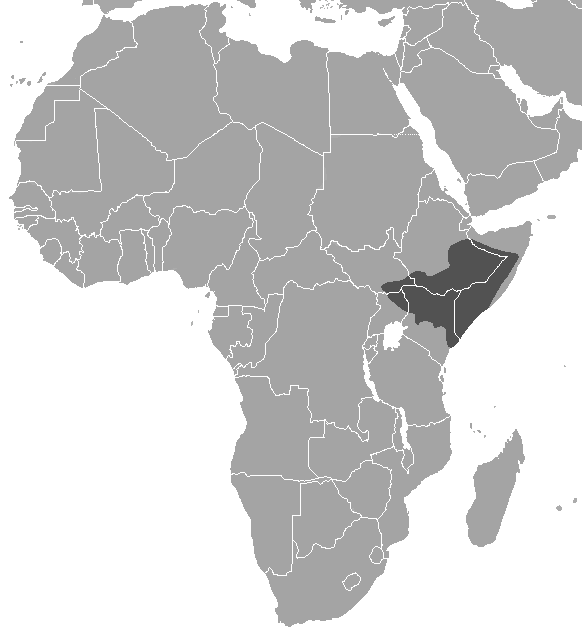
Dik-diks are very small antelopes that inhabit dry bush, scrub and savanna regions of eastern and southern Africa. They belong to the genus Madoqua and are members of the broader group commonly referred to as antelopes. Their common name comes from the repeated, high-pitched alarm call made by females, which sounds like "dik-dik." These animals are notable for their petite size, swift movements and secretive behavior.
Image gallery
4 Images


Physical characteristics
Adults typically stand about 30–40 cm at the shoulder, measure roughly 50–70 cm in body length and weigh between 3 and 6 kg. Their coats are usually a blend of gray, brown and rufous tones that provide camouflage among bushes. Dik-diks have elongated snouts, large eyes and ears in proportion to their heads. Males of most species possess short, straight horns; females are generally hornless. Adaptations such as efficient kidneys and a low metabolic rate help them conserve water in arid environments.
Behavior and reproduction
Dik-diks are predominantly monogamous and maintain small territories defended by both partners. Territorial marking with preorbital gland secretions and dung piles is common. They are crepuscular, most active at dawn and dusk, and rely on quick bursts of speed and zigzagging escapes when threatened. Females usually give birth to a single fawn after a gestation period typical for small antelopes; young are hidden in dense vegetation for several weeks while remaining motionless to avoid detection.
Vocalizations, predators and ecology
The species is named for the female alarm call, but both sexes produce a variety of shrill whistles and snorts used for communication. These alarm sounds can also alert other animals in the area to danger. Dik-diks are prey for many carnivores; notable predators include cheetahs (cheetah), leopards, jackals and birds of prey. Their small size makes them a frequent target, yet their cryptic habits and agility help many survive.
Species and distinctions
Taxonomically, there are several recognized species within the genus. Commonly cited species include:
- Günther’s dik-dik
- Kirk’s dik-dik
- Salt’s dik-dik
- Silver dik-dik
These species differ in range, coat coloration, size and horn presence. Some populations are divided further into subspecies by specialists, and field identification can require attention to subtle features and geographic distribution.
Human interactions and conservation
Dik-diks are generally not a major game species but are sometimes hunted locally for meat or trapped for the bushmeat trade. Habitat conversion and fragmentation affect some populations more than others. In many areas dik-diks remain common and adaptable, but conservation attention is important where human pressures are intense. Their role as prey for predators and as browsers that influence vegetation gives them ecological significance in the ecosystems they inhabit.
Questions and answers
Q: What is a dik-dik?
A: A dik-dik is a small antelope in the genus Madoqua that lives in the bushlands of eastern and southern Africa.
Q: How tall are dik-diks?
A: Dik-diks stand about 30-40 cm (12-16 in) at the shoulder.
Q: How long are dik-diks?
A: Dik-diks are 50-70 cm (20-28 in) long.
Q: What is the weight of dik-diks?
A: Dik-diks weigh 3-6 kg (7-16 lb).
Q: What is the lifespan of dik-diks?
A: Dik-diks can live for up to 10 years.
Q: How did dik-diks get their name?
A: Dik-diks are named after the alarm calls of the females.
Q: What sound do dik-diks make?
A: In addition to the females' alarm call, both males and females make a shrill, whistling sound that may alert other animals to predators.
Related articles
Author
AlegsaOnline.com Dik-dik: small African antelopes of the genus Madoqua Leandro Alegsa
URL: https://en.alegsaonline.com/art/27413
Sources
- bucknell.edu : [http://google.com/books?id=JgAMbNSt8ikC&pg=PA683-684 Mammal Species of the World: A Taxonomic and Geographic Reference]
- worldcat.org : 62265494