
Diekirch
Diekirch is a riverside city and commune in north-eastern Luxembourg, the administrative centre of its canton and district, known for its military museum, historic townscape, brewery and recreational riverfront.
Diekirch is a small city and commune in north-eastern Luxembourg. Its Luxembourgish name, Dikrech, reflects the town's medieval roots (Diet-Kirch, literally "people's church"). Administratively it holds city status as a commune with city status and serves as the capital of the canton Diekirch and of the district that bears the same name. The town is set along the banks of the Sauer river and combines a compact historic centre with surrounding residential and green areas.
Image gallery
10 Images


Geography and urban character
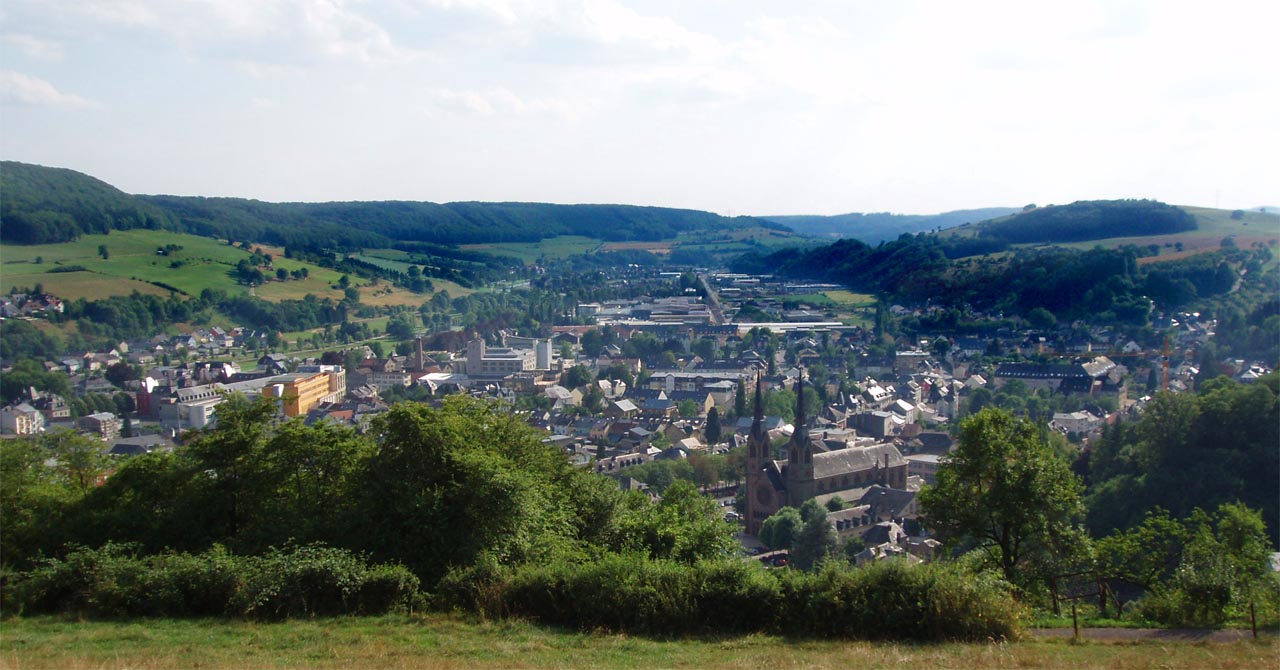
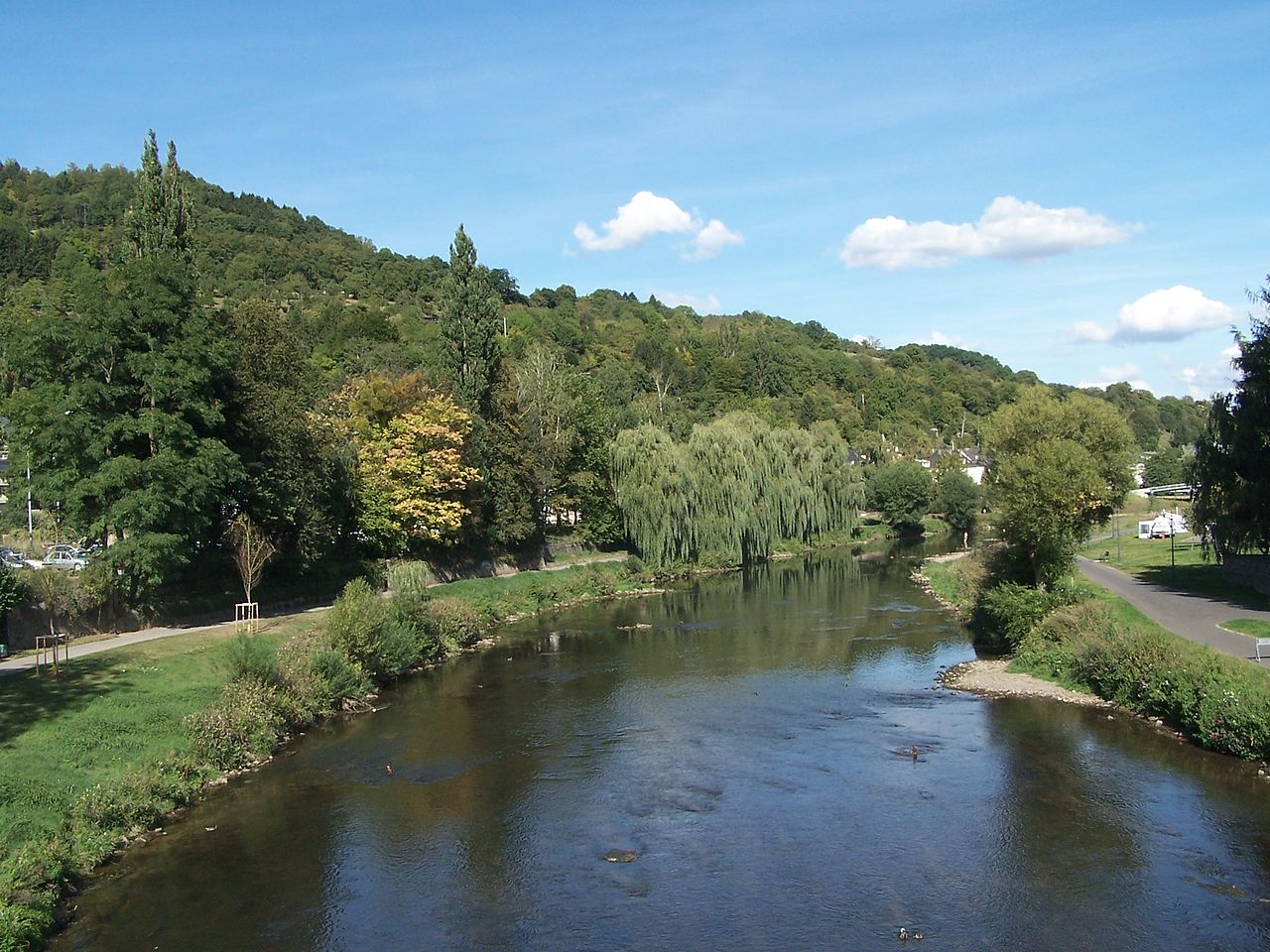
Diekirch's town centre is dominated by an elevated parish church, narrow streets, and traditional stone buildings that testify to its long settlement. The Sauer river defines much of the town's leisure space: riverside promenades, small parks and trails attract walkers, cyclists and paddlers. Its position in the northern Luxembourgish uplands gives access to rolling countryside, making the town a local service hub for surrounding villages.
History and historical significance
Diekirch grew from a medieval market settlement clustered around a church and a local crossing of the Sauer. Over centuries it developed modest industry, trade and river transport. In the twentieth century the area around Diekirch became notable for military events during the Second World War; this legacy is preserved and interpreted in local collections and commemorations.
Culture, economy and sites of interest
The town balances civic life, tourism and light industry. It has a long association with brewing: the Diekirch beer brand originated locally and remains an important part of the town's identity. Cultural life includes markets, seasonal festivals and history-focused events. The best-known attraction is the National Museum of Military History, which documents twentieth-century conflicts and the local experience in wartime.
- National Museum of Military History (military collections and exhibits)
- Historic parish church and old town streets
- Brewery heritage and visitor facilities
- Riverside walks, cycling routes and outdoor recreation
Diekirch is also a transport node with road and rail links to Luxembourg City and neighboring regions, making it accessible for day visits and serving as an administrative and cultural centre for the northern part of the country. Visitors often come for the combination of river scenery, local history and small-city atmosphere.
Questions and answers
Q: What is the name of the city in Luxembourg?
A: The city is called Diekirch.
Q: What language is spoken in Diekirch?
A: The language spoken in Diekirch is Luxembourgish.
Q: What does the name 'Diekirch' mean?
A: The name 'Diekirch' comes from Diet-Kirch, which means "people's church".
Q: Where is Diekirch located?
A: Diekirch is located in north-eastern Luxembourg.
Q: What river flows through Diekirch?
A: The Sauer river flows through Diekirch.
Q: What type of status does Diekich have?
A:Diekrich has city status.
Q: Is there a museum in Diekrach?
A:Yes, there is a National Museum of Military History of Luxembourg located in Diekrach.
Related articles
Author
AlegsaOnline.com Diekirch Leandro Alegsa
URL: https://en.alegsaonline.com/art/27280
Sources
- commons.wikimedia.org : Diekirch
- en.wikivoyage.org : Diekirch
- statistiques.public.lu : "Surface area of the cantons and municipalities"
- statistiques.public.lu : "Population by canton and municipality 1821 - 2017"
- wulfila.be : "Online version"
- statistiques.public.lu : "Altitudes of the different localities per cantons (in m)"
- tourisme.diekirch.lu : "The donkey, the mascot of the city"
- diekirch.lu : "Villes jumelées"