
Dido, Queen of Carthage
Legendary Phoenician princess and founder-queen of Carthage whose life blends historical colonization with myth; famed in classical literature, especially Virgil’s Aeneid.
Overview
Ancient accounts describe Dido as the founder and first queen of Carthage. Writers in both the Greek and the Roman traditions record a figure known variously as Dido, Elissa or Alyssa. She is conventionally placed in the early first millennium BC and stands at the intersection of Phoenician colonial history and classical mythology.
Image gallery
10 Images




Legend and narrative traditions
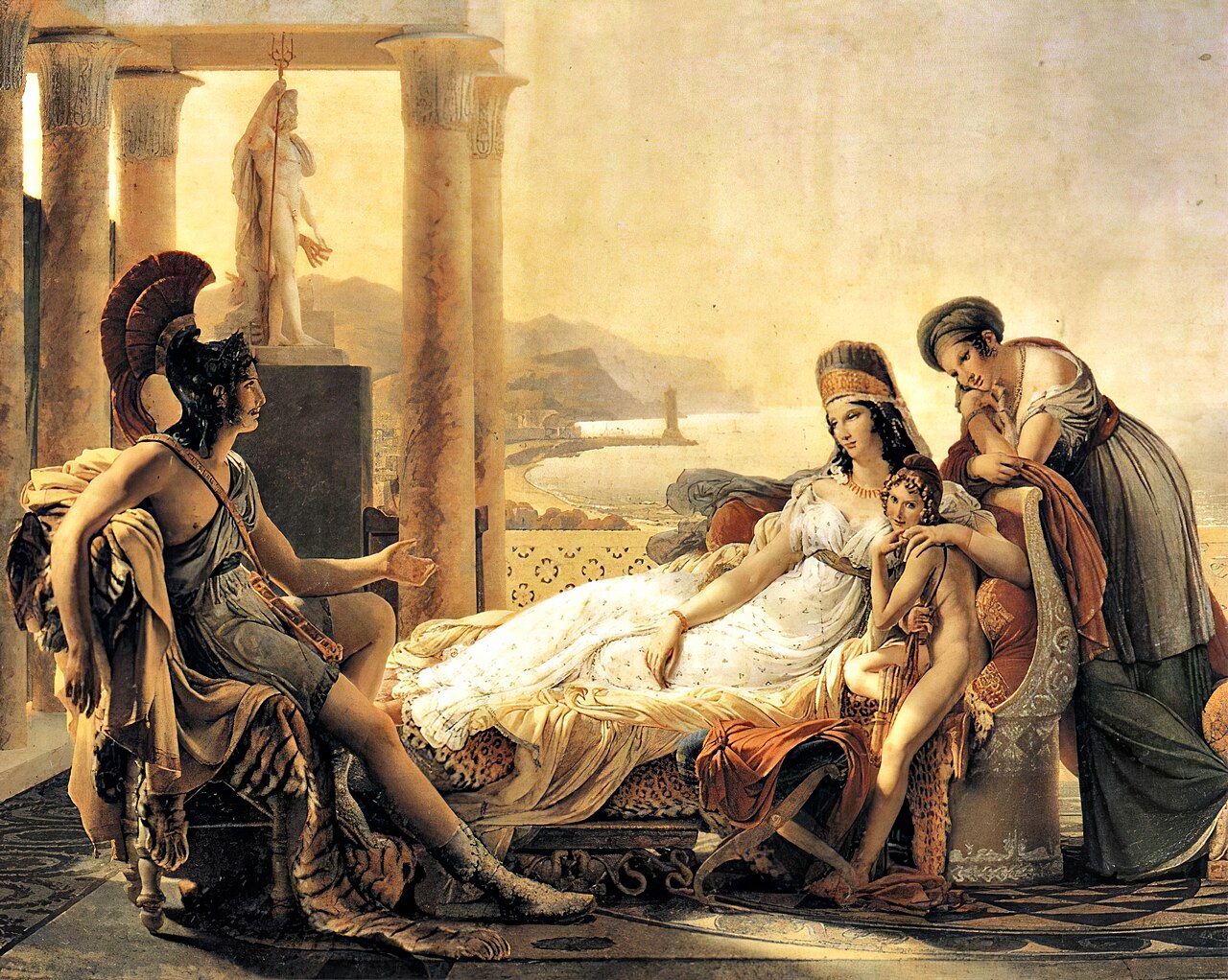
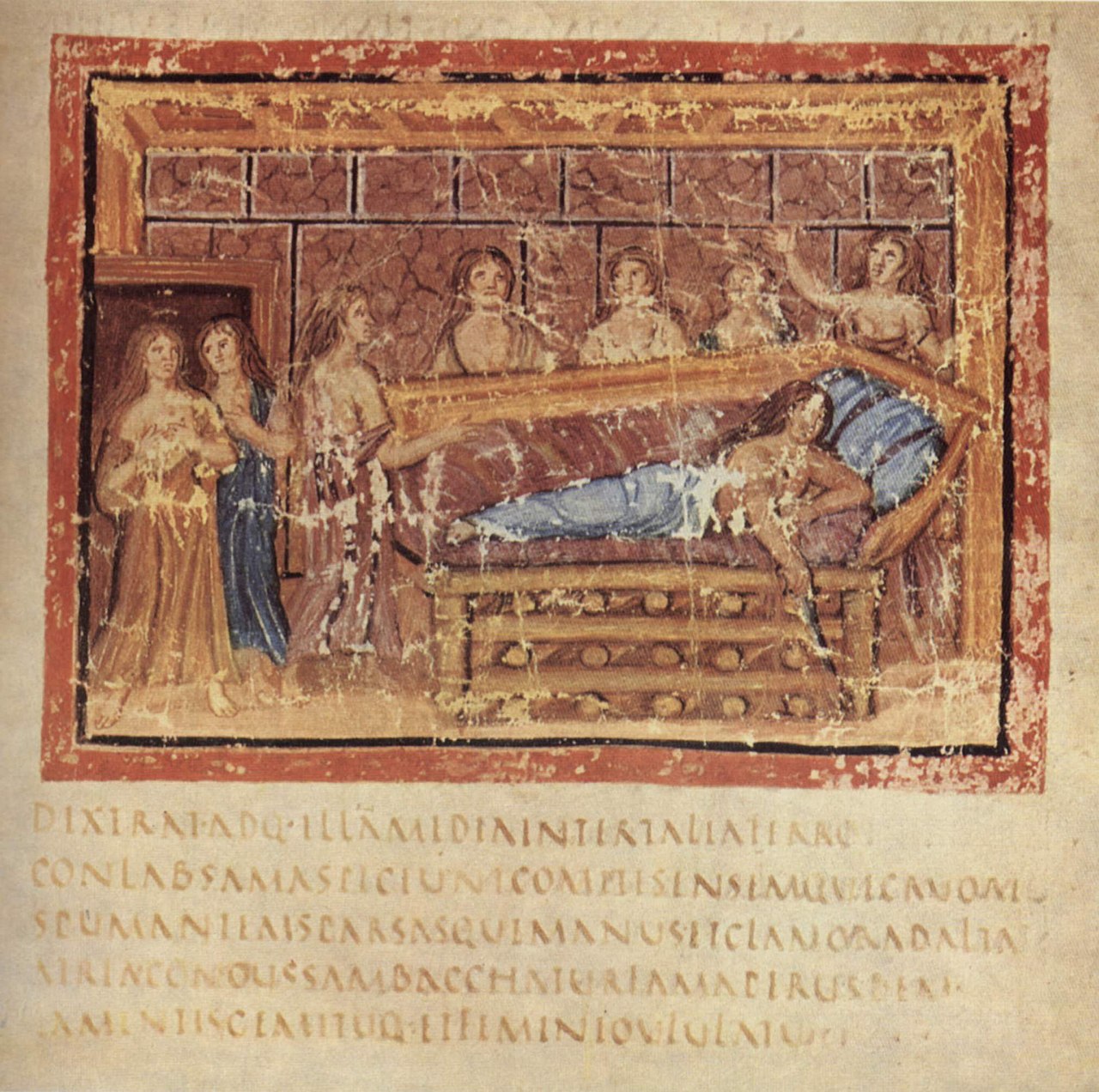
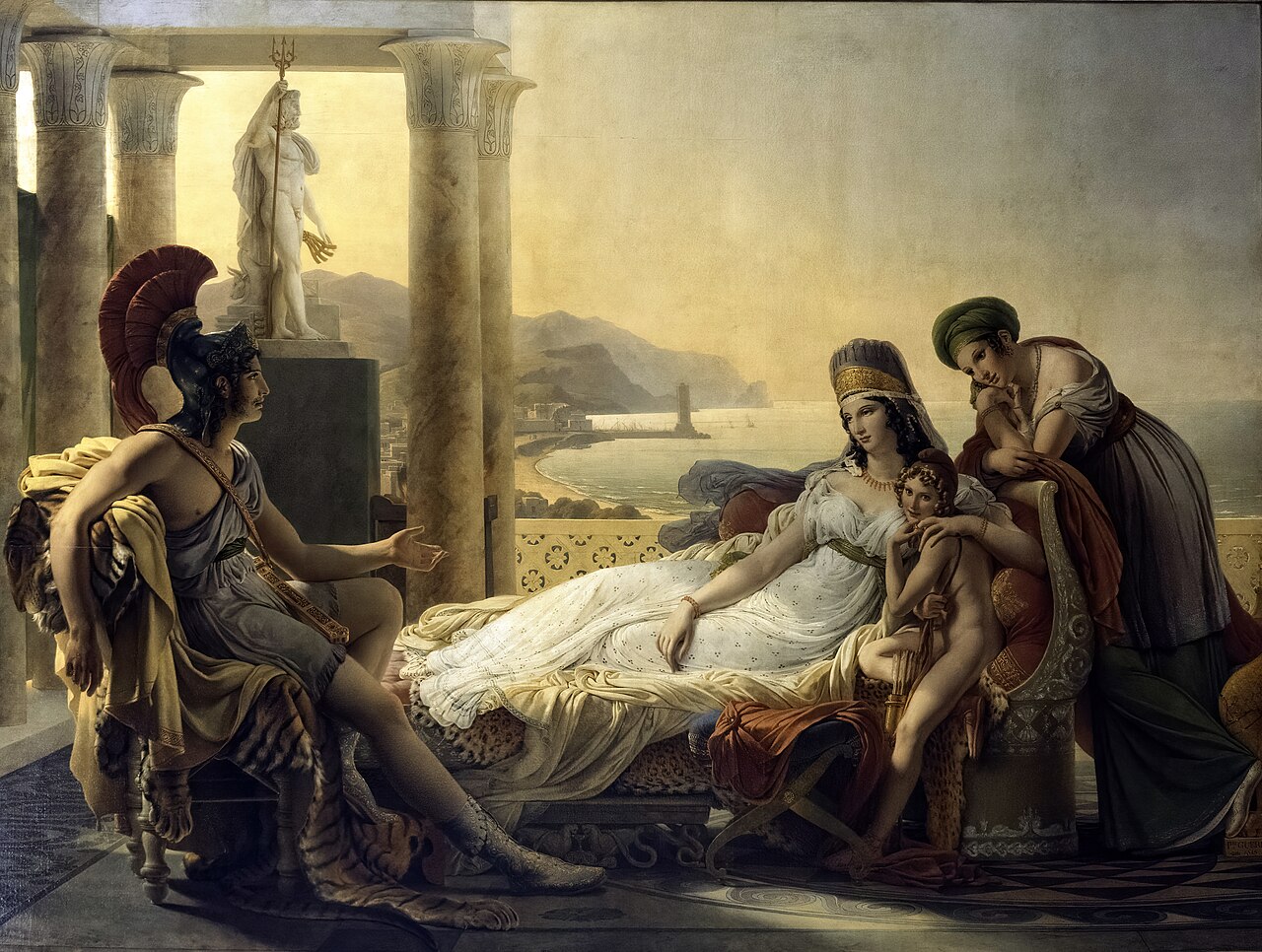
Traditional stories present Dido as a Phoenician noble from Tyre who fled family conflict and founded a settlement on the North African coast. Versions differ: some say she escaped her brother’s violence after her husband was killed; others emphasize diplomatic skill and bargaining for land. The Roman epic Aeneid by Virgil gives the most famous literary account, dramatizing a love affair between Dido and the Trojan hero Aeneas that ends in heartbreak and her tragic death. These narrative elements shaped later interpretations more than strict historical detail did.
Historical context
Carthage was a Phoenician colony in the area of modern Tunisia, and archaeological evidence supports Phoenician expansion along the central Mediterranean coasts in the first millennium BC. While a historical founder figure is plausible as a foundation myth, scholars treat many specifics—family names, exact chronology, and the dramatic episodes of Virgil’s telling—as literary constructions layered onto a basic memory of colonization and city founding.
Legacy and cultural importance
Dido’s story has been reused across centuries: she appears in classical historiography, medieval chronicles, Renaissance drama and modern scholarship. In Carthaginian tradition she was sometimes worshipped or honored in cultic contexts, and in later cultures she became emblematic for themes of exile, leadership and doomed love. Her portrayal by Roman authors also affected Roman views of their own past and of Carthage as a rival power.
Names, variants and notable facts
- Common names: Dido, Elissa, Alyssa — variations reflect different languages and sources.
- Role: founder and sovereign ruler in the literary tradition; archaeological data confirm Phoenician settlement but not all narrative details.
- Modern relevance: Dido is a symbol in studies of gender, colonial foundation myths, and the reception of the ancient Mediterranean.
For concise introductions and further reading, consult classical summaries and modern works on Phoenician colonization and Roman literary reception. Many of the traditional stories about Dido come to us through a blend of Greek and Roman writers and later interpreters who shaped her enduring image as the founder-queen of Carthage.
Greek sources | Roman sources | Title | Carthage | Tunisia | Aeneid | Virgil | Worship
Questions and answers
Q: Who was Dido?
A: Dido was the founder and first Queen of Carthage, a city in present-day Tunisia.
Q: When did Dido live?
A: Dido lived in the 9th century BC, approximately 3000 years ago.
Q: Are all parts of Dido's life true?
A: No, some parts of Dido's life are myths, while other parts may be true.
Q: How is Dido best known?
A: Dido is best known from the story about her in the Aeneid by the Roman poet Virgil.
Q: What are some other names Dido was called?
A: In some writings about her, she is called Alyssa or Elissa.
Q: Was Dido worshipped as a goddess?
A: Yes, Dido was worshipped as a goddess in ancient Carthage.
Q: Where is Carthage located?
A: Carthage was located in the country now known as Tunisia.
Related articles
Author
AlegsaOnline.com Dido, Queen of Carthage Leandro Alegsa
URL: https://en.alegsaonline.com/art/27250
Sources
- commons.wikimedia.org : Dido
- books.google.com : Reading Dido: Gender, Textuality, and the Medieval Aeneid
- en.wikisource.org : "Dido"
- treccani.it : "Metastasio, Pietro"