
PDSA Dickin Medal
British decoration created in 1943 by Maria Dickin to recognize conspicuous animal bravery and devotion to duty in war and emergencies, often described as the 'animals' Victoria Cross'.
Overview
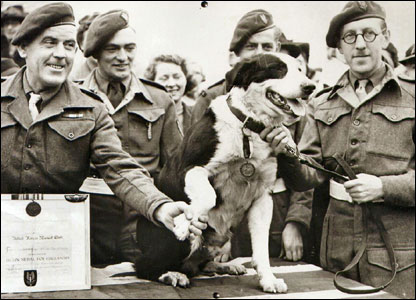
The PDSA Dickin Medal is a British decoration awarded to animals that have demonstrated conspicuous gallantry or devotion to duty while serving with military or civil organizations. Instituted in 1943 by Maria Dickin, founder of the People's Dispensary for Sick Animals (PDSA), it was intended to acknowledge the courage and dependable service of animals at a time of global crisis. The award quickly acquired the popular nickname the "animals' Victoria Cross", reflecting its role as the highest profile recognition for non-human bravery in the United Kingdom and beyond.
Image gallery
8 Images




Criteria and characteristics
The medal is presented for "conspicuous gallantry" and devotion to duty by an animal in circumstances of extreme danger, often while supporting armed forces, emergency responders, or relief operations. Awards have recognized acts performed while serving with or in support of the United Kingdom's armed forces and their allies, as well as civil rescue and policing units. Recipients have included working and service animals whose actions directly saved human lives, protected personnel, or materially aided operations under hazardous conditions.
History and notable recipients
The Dickin Medal was first awarded in December 1943, during World War II. Between 1943 and 1949 the award was conferred 54 times, reflecting the wide range of animal contributions in that conflict: 32 pigeons, 18 dogs, three horses and one cat received recognition for life‑saving acts, message delivery, detection work and other services. The earliest recipients were three carrier pigeons that helped enable the rescue of aircrew after ditching while serving with the Royal Air Force.
- Pigeons — recognized for delivering critical messages when other communications failed.
- Dogs — awarded for search and rescue, detection, protection and battlefield assistance.
- Horses — honored for transporting and supporting troops under fire.
- Cat — a single recipient noted for its particular circumstances during wartime service.
After a long hiatus, the PDSA revived the medal in 2000. One of the best-known post‑war recipients was the Newfoundland dog Gander, honored posthumously for actions during the Battle of Hong Kong in which he assisted and reportedly helped protect Canadian soldiers and other personnel under fire; the award recognized his devotion and sacrifice on behalf of human comrades (soldiers).
In the early 21st century the Dickin Medal has been used to acknowledge animals working in new types of emergencies: in 2002 three dogs were decorated for their search and rescue work following the September 11 attacks. The PDSA has also recognized animals serving in peacekeeping and combat zones, including dogs deployed to Bosnia‑Herzegovina and Iraq (Bosnia-Herzegovina and Iraq). One of the most recent high-profile awards was given posthumously to a police dog named Diesel, who was killed during operations connected to the November 2015 Paris attacks.
Commemoration and legacy
Recipients of the Dickin Medal are remembered not only through individual citations but also by physical memorials. A number of decorated animals were interred at the PDSA Animal Cemetery in Ilford; following restoration work supported by the United Kingdom's National Lottery, a group of 12 medal‑holding animals was accorded full military honors at the cemetery in 2007 (Ilford). The medal has contributed to broader public recognition of animal roles in conflict and disaster response and is often cited in discussions of animal service, ethics, and commemoration.
Today the Dickin Medal continues to be administered by the PDSA, preserving Maria Dickin's original intent to honour courage displayed by animals in exceptionally dangerous circumstances. The award serves both as a formal recognition of individual acts of bravery and as a historical record of the varied and often overlooked ways animals have been partners to people in times of war, peacekeeping and emergency relief.
For more detailed lists of recipients, citations and ceremonies, consult specialist records and PDSA publications that document each award and the circumstances that led to it (dogs, horses, cat, World War II, 9/11, and service histories).
The Dickin Medal remains an enduring symbol of the bonds between humans and animals under extreme conditions and of the recognition given when animals act with exceptional courage for the benefit of people.
Questions and answers
Q: What is the PDSA Dickin Medal?
A: The PDSA Dickin Medal is an award for animals that was created in the United Kingdom by Maria Dickin in 1943. It honors the work of animals during World War II and is often called "the animals' Victoria Cross."
Q: Who created the award?
A: Maria Dickin, founder of the People's Dispensary for Sick Animals (PDSA), a British veterinary charity, created the award.
Q: What criteria must an animal meet to receive the medal?
A: An animal must show "conspicuous gallantry [obvious bravery]" and devotion to its job while serving with the United Kingdom's armed forces or their allies to receive the medal.
Q: How many times has it been awarded since its creation?
A: As of December 2015, it has been awarded 66 times.
Q: When did they start awarding it again after WWII ended?
A: They started awarding it again in 2000 when they honored a Newfoundland dog named Gander posthumously - after his death - for his service during WWII.
Q: Who was one of the first recipients of this medal?
A: Three pigeons were among some of the first recipients in December 1943; they served with Royal Air Force and helped make it possible to rescue air crew from ditched planes during WWII.
Q: Who was most recent recipient of this medal?
A: The most recent recipient was Diesel, a dog who was killed while serving with French police during November 2015 Paris attacks; his award will be presented in 2016.
Related articles
Author
AlegsaOnline.com PDSA Dickin Medal Leandro Alegsa
URL: https://en.alegsaonline.com/art/27217
Sources
- pdsa.org.uk : "PDSA Dickin Medal"
- mod.uk : "Military search dog to receive animals' Victoria Cross"
- bbc.co.uk : "The Animals' VC"
- pdsa.org.uk : "Celebrity to open animal Garden of Remembrance"
- bbc.com : "World War One: Warhorse Warrior awarded Dickin Medal"
- edition.cnn.com : "UK honors glow worm war heroes"
- news.bbc.co.uk : "Fitting tribute to animal heroes"
- news.bbc.co.uk : "Animal war heroes statue unveiled"
- independent.co.uk : "The hero of the latest British war movie is a pigeon called Valiant. A flight of fancy? No, it's based on real life"
- archive.iwm.org.uk : "Animals at War captions"
- pdsa.org.uk : "Dickin medal pigeons"
- timesonline.co.uk : "Top 50 greatest sporting animals"
- belfasttelegraph.co.uk : "Paddy the pigeon decorated for bravery in fight against Hitler"
- dev1.acms.mod.uk : "Royal Signals Museum – Recent Articles"
- national-army-museum.ac.uk : "Catch the Pigeon"