
Dialectic: Method, History, and Applications in Philosophy
Dialectic is a method of structured dialogue and reasoning used to explore contradictions and arrive at better-supported conclusions across philosophy, logic, and other fields.
Overview
Dialectic refers to a mode of reasoning and a practice of structured dialogue in which opposing positions are brought into tension to clarify concepts, expose contradictions, and move toward more robust conclusions. It is often contrasted with mere persuasion or rhetorical display; dialectical exchanges emphasize critical questioning, logical testing, and the gradual refinement of ideas. For a general introduction, see philosophy and its methods; the term also commonly denotes an argument or formal debate between different positions.
Image gallery
1 Image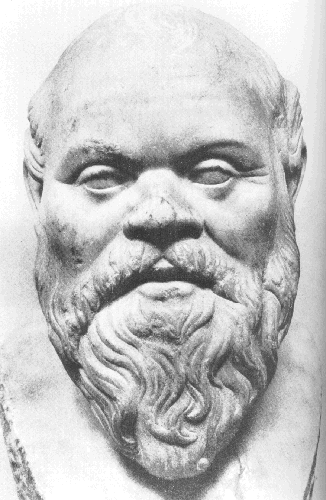
Core features and stages
Different traditions describe dialectic in varied ways, but several recurring elements appear:
- Opposition: two or more conflicting claims or perspectives are set against one another.
- Critical exchange: interlocutors question assumptions, definitions, and implications.
- Resolution or refinement: the conflict helps reveal errors or gaps and leads to a revised, more coherent stance (often summarized in modern accounts as thesis–antithesis–synthesis, a heuristic associated with Hegel).
- Rational procedure: the process appeals to reasons and evidence rather than rhetorical manipulation, connecting it to classical logic.
Historical development
The dialectical method stretches back to ancient Greece. Socratic dialogues recorded in Platonic writings model a question-and-answer form that probes definitions and moral beliefs. Aristotle treated dialectic as a way of testing probable premises. In Medieval Europe dialectical study formed a central part of the trivium alongside grammar and rhetoric, with logic taught as a tool for scholastic debate and reconciliation. Later figures such as Hegel reworked dialectic into a systematic philosophy of development, and Marx adapted dialectical ideas into a materialist framework.
Uses and examples
Dialectic appears across intellectual and practical domains. Philosophers use it to clarify concepts and settle disagreements; historians and literary critics employ dialectical contrasts to explain change over time; political theorists use it to analyze conflicts of interest. In pedagogy, dialectical methods—like the Socratic seminar—train students in critical thinking. The term also appears in psychology, for example in approaches such as dialectical behavior therapy, where the word signals a balancing of opposing strategies.
Distinctions and notable facts
Dialectic differs from mere debate in its aim: it seeks truth or better understanding rather than victory. It is related to but distinct from formal demonstrative logic; dialectic often begins with plausible, contestable premises and proceeds by testing them against counterarguments. For discussions of reason and method, consult resources on grammar of argument and the role of reason in public discourse. Overall, dialectic remains a central tool for resolving disagreement and refining ideas in many intellectual traditions.
Questions and answers
Q: What is dialectic in philosophy?
A: Dialectic in philosophy refers to an argument or debate between different people.
Q: What was dialectics in Medieval Europe?
A: In Medieval Europe, dialectics (also known as logic) was one of the three beginning liberal arts along with rhetorics and grammar.
Q: What is the goal of the dialectical process?
A: The goal of the dialectical process is to try to resolve disagreements through rational talk and the search for the truth in the matter.
Q: How many main ideas does dialectics have?
A: Dialectics has three main ideas.
Q: What are the three main ideas of dialectics?
A: The three main ideas of dialectics are not specified in the given text.
Q: What are the other two members of the trivium besides dialectics?
A: The other two members of the trivium besides dialectics are rhetorics and grammar.
Q: What was the purpose of the trivium in Medieval Europe?
A: The purpose of the trivium in Medieval Europe was to teach the three beginning liberal arts.
Related articles
Author
AlegsaOnline.com Dialectic: Method, History, and Applications in Philosophy Leandro Alegsa
URL: https://en.alegsaonline.com/art/27094