
Designated hitter (baseball role)
A designated hitter bats instead of the pitcher. Originating in the American League to boost offense, the DH changed roster construction, strategy and careers; modern professional leagues now vary in DH use.
Overview
In baseball, a designated hitter (DH) is a player who bats in place of the pitcher rather than taking a defensive position. The position was created to improve offensive production and reduce the number of weak-hitting pitchers in the lineup. While the DH traditionally appeared only in one league within a country’s professional structure, recent changes at the highest levels of the sport have altered that split between leagues such as the American League and the National League in Major League Baseball.
Image gallery
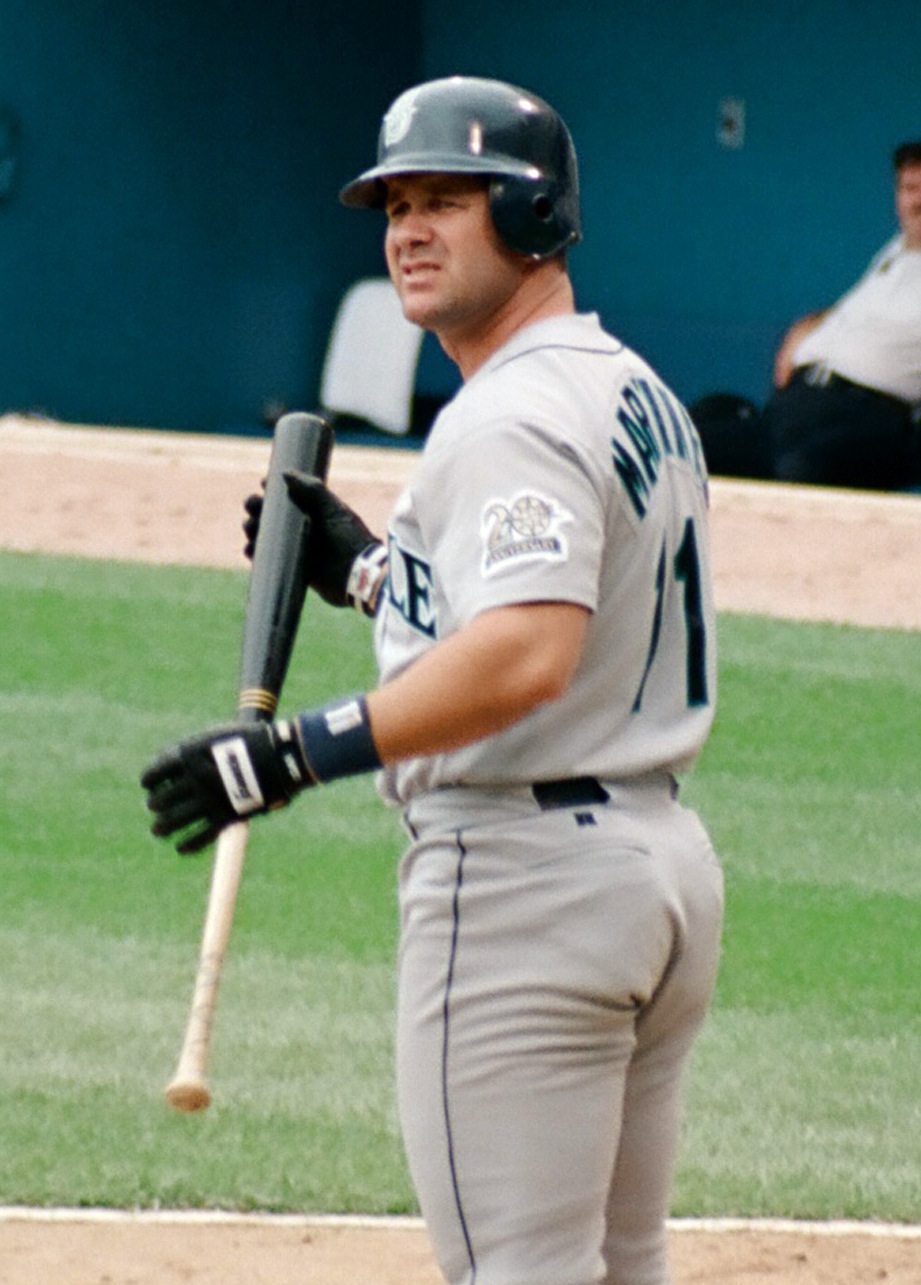
4 Images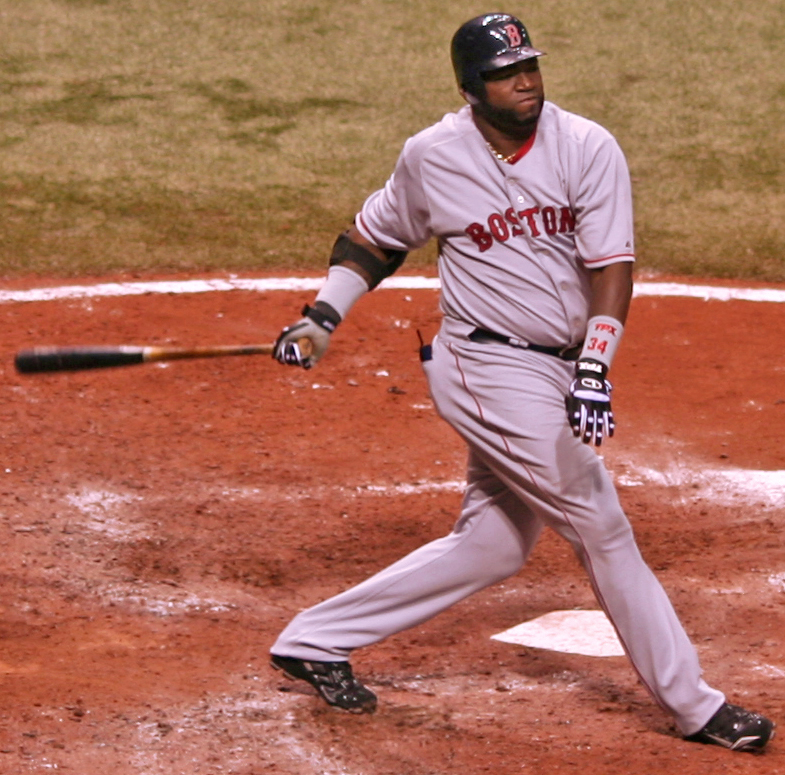


History and development
The DH idea was adopted experimentally in several professional and amateur settings before becoming a permanent feature in some leagues. In the United States, the American League introduced the position as a way to make games more entertaining and to protect pitchers from batting duties. For decades the other major league maintained the older tradition of pitchers hitting for themselves; however, in the early 2020s Major League Baseball moved toward a universal approach to the DH, changing how teams construct rosters across both leagues.
Rules and role
The DH occupies a spot in the batting order and is credited with batting statistics just like any other hitter, but does not take part in fielding unless the manager elects to place the DH in a defensive position. If the DH takes the field, the team generally loses the separate DH spot and the pitcher or another player will assume batting responsibilities later. Managers use the DH to keep a strong hitter in the lineup without demanding fielding skills; many DHs are powerful hitters who might be limited defensively.
Characteristics and strategic effects
- Common attributes: a DH is often a player valued for power, on-base ability, and run production rather than mobility or glove work. Examples of players widely associated with time at DH include veterans who extended their careers by focusing on hitting.
- Roster and tactical impact: the DH provides an additional roster spot for a hitter, alters pinch-hitting and bullpen strategies, and reduces the need for late-game double-switches that were common when pitchers batted.
- Managerial choices: managers weigh the DH as a means to rest regular fielders, to keep a designated power bat in the lineup, or to utilize a specialist who hits well against certain pitchers.
Variations, examples and debate
Different countries and leagues treat the DH differently. For example, Japan’s professional leagues historically used the DH in one circuit but not another, and many amateur and collegiate competitions adopt the rule to differing extents. The role has supporters who favor higher scoring and more lineup flexibility, and critics who argue it reduces strategy and the traditional appeal of pitchers batting. Regardless of opinion, the designated hitter has become an important element in modern roster construction and has shaped many players’ careers.
For further reading on rule details and historical timelines, see league rulebooks and summaries at official sources and contemporary analyses: overview, batting role, American League context, Major League Baseball, National League, and discussions of defensive trade-offs at defensive strategy pages.

Author
AlegsaOnline.com Designated hitter (baseball role) Leandro Alegsa
URL: https://en.alegsaonline.com/art/26844
Sources
- mlb.com : "Tide is turning toward a universal DH"