
Derwent Water (Derwentwater)
Derwent Water is a principal lake in England's Lake District near Keswick, noted for wooded fells, islands, recreational boating, and important conservation for rare fish such as the vendace.
Overview
Derwent Water, often written Derwentwater, is one of the principal lakes of the Lake District in north‑west England. It lies immediately south of the town of Keswick within the administrative area of Allerdale, Cumbria and forms part of the protected landscape of the Lake District National Park. The lake is fed and drained by the River Derwent and is celebrated for its combination of open water, wooded slopes and surrounding fells.
Image gallery
10 Images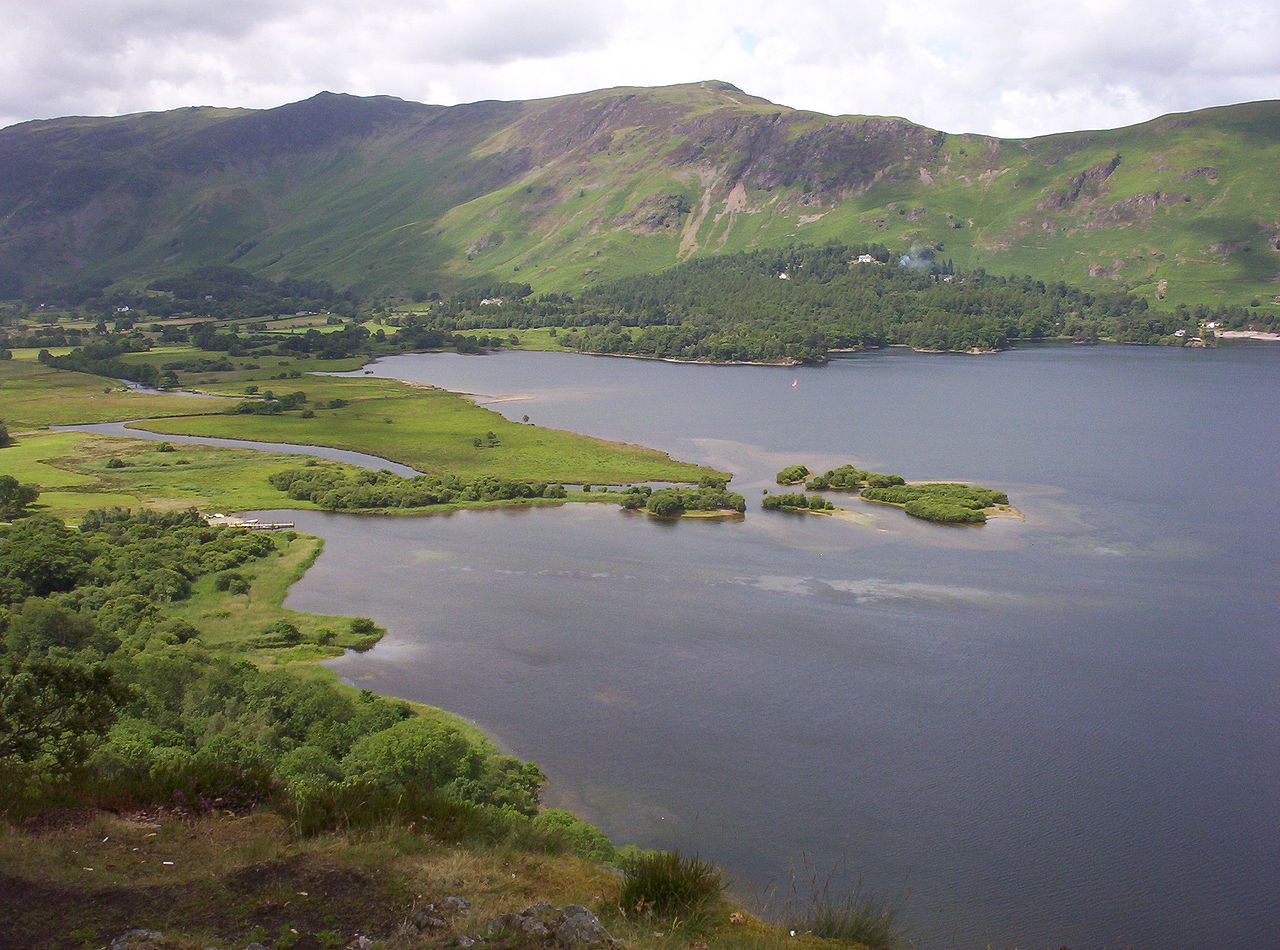

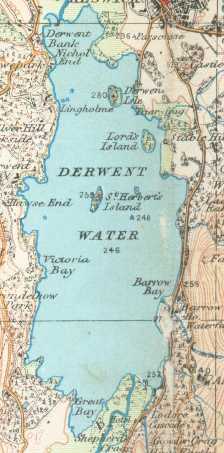


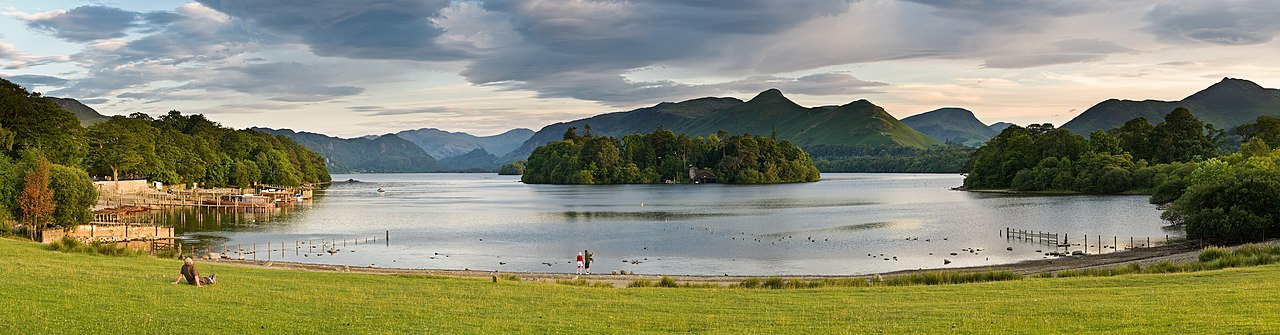


Geography and physical features
Derwent Water is roughly three miles long and about one mile across at its widest point, with a maximum depth in the order of a few dozen metres. The shoreline is varied, including wooded bays and steeper fellside slopes. Several islands lie within the lake; one of these is occupied by an 18th‑century residence known as Derwent Island House, which is in private tenancy under National Trust stewardship and open to visitors on a limited number of days each year.
History and cultural associations
The lake and its surroundings have long been appreciated for their picturesque qualities and have inspired artists, writers and visitors since the 18th century, when the Lake District became fashionable for landscape appreciation. Derwent Water also lent its name to the historical Earldom of Derwentwater. Settlement patterns around the lake are modest: Keswick to the north provides the main services and tourist facilities, while smaller villages and hamlets lie along the shores and in the adjacent valleys.
Recreation, access and facilities
Recreation at Derwent Water centres on walking, boating and sightseeing. A regular passenger launch operates on the lake, linking a number of landing stages and providing access to walking routes and picnic spots. There are multiple lakeside marinas and boat hire points; popular stops for visitors include the Keswick landing stage, Portinscale and the area near Lodore. An arterial road runs along the eastern shore, carrying a frequent bus service between Keswick and Borrowdale, while a quieter road skirts the western side connecting smaller communities.
Ecology and conservation
Derwent Water sits within a landscape of conservation interest. Many of the slopes around the lake are wooded and support typical upland vegetation and birdlife. The lake is notable for its association with the vendace (Coregonus vandesius), a cold‑water whitefish species of conservation concern; populations of this fish are limited within Britain and various monitoring and protection measures have been applied in and around the lake. Management of the shoreline and island properties, including those under National Trust care, seeks to balance public access with protection of habitats.
Visitor notes and distinctions
- Alternative names: both "Derwent Water" and "Derwentwater" are in common use.
- Location: immediately south of Keswick, within the Lake District National Park and the borough of Allerdale, Cumbria.
- Landscape: surrounded by wooded slopes and nearby fells with an extensive network of footpaths for walkers.
- Facilities: passenger launches, multiple marinas and boat hire, roadside access and bus services make the lake readily accessible to visitors.
Derwent Water remains one of the most visited and recognised lakes in the Lake District, notable both for its scenic character and for ongoing conservation efforts to protect its distinctive wildlife and historic features.
Questions and answers
Q: What is Derwent Water?
A: Derwent Water, also known as Derwentwater, is one of the main lakes in the Lake District National Park in north west England. It is located in the Borough of Allerdale in Cumbria.
Q: How large is Derwent Water?
A: Derwent Water is about 3 miles (4.8 km) long by 1 mile (1.6 km) wide and has a depth of 72 feet (22 m).
Q: Are there any islands in the lake?
A: Yes, there are several islands in the lake, one of which is inhabited and contains an 18th-century residence open to the public on five days each year.
Q: What activities can visitors enjoy at Derwent Water?
A: Visitors can enjoy recreational walking around the lake and its surrounding hills and woods, take a passenger launch between various landing stages, hire boats from Lodore Falls marina or take a bus along either shore of the lake.
Q: Is there anything unique about Derwent Water's wildlife?
A: The lake is believed to be the last remaining native habitat for vendace fish (Coregonus vandesius).
Q: What gave rise to the Earldom of Derwentwater?
A: The Earldom was named after Derwentwater itself.
Q: Who owns and manages Derwent Island House?
A:Derwent Island House is owned by National Trust property and managed by tenants who open it to public visits five days each year.
Related articles
Author
AlegsaOnline.com Derwent Water (Derwentwater) Leandro Alegsa
URL: https://en.alegsaonline.com/art/26804
Sources
- environment-agency.gov.uk : Table of lake facts
- news.bbc.co.uk : "Ice Age fish thrives in new home"