
Derivative work (copyright)
An explanatory overview of derivative works in copyright: definitions, common examples, legal importance, how they differ from original or public-domain works, and practical considerations for creators and users.
Overview
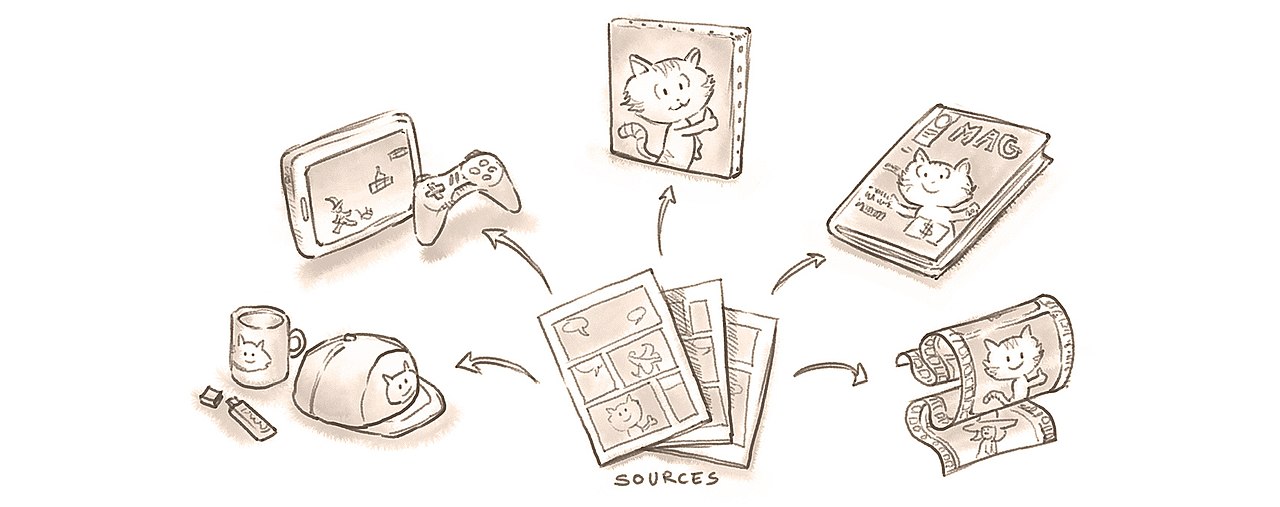
A derivative work is a new creation that is based on, or incorporates, a preexisting copyrighted work. In copyright systems, authors have exclusive rights to reproduce, adapt, distribute, and publicly perform their works; a derivative work typically exercises the right to create adaptations or other altered versions. The concept appears in national statutes and international treaties and helps determine when permission from the original author is required.
Image gallery
6 Images



Characteristics and how it is identified
Not every work that resembles an earlier piece qualifies as a derivative work. Key features commonly used to identify a derivative work include the incorporation of protected expression from the original (plot, characters, melody, substantial portions of text or imagery) and the creation of a recognizable adaptation or transformation. Simple inspiration or independent creation that happens to be similar is generally not a derivative. Legal systems often consider whether the new work is based on the specific expression of an earlier work rather than on general ideas or facts.
Examples and common forms
- Translations and adaptations (for example, a novel translated into another language, or a book adapted into a film).
- Musical arrangements and sampling (recordings that use parts of an existing composition or sound recording).
- Artistic modifications (recoloring or transforming a photograph, or creating a painting that reproduces a copyrighted image).
- Derivative software or databases that build on proprietary code or compilations.
Concrete examples are often discussed in resources on copyright law and practice guides such as those found at legal overviews or specialized works about novels and adaptations like literary guides and music reference.
Legal significance and permissions
Because the right to create derivative works is typically reserved to the copyright holder, making or distributing a derivative version without authorization can infringe the original author’s rights. Permission can come through a license, assignment, or other written consent. Licenses may be exclusive or nonexclusive and can specify permitted uses, fees or royalties. Discussions of permissions often appear alongside guidance for creators on how to clear rights for adaptations, for instance when adapting a painting or converting a book into a screenplay.
Exceptions, transformations, and public domain
Certain doctrines can limit the need for permission. For example, some legal systems recognize exceptions for fair use or fair dealing where a new work is sufficiently transformative — adding new meaning, commentary, or expression rather than merely superseding the original. Works in the public domain may be freely used to create derivatives without permission. Distinctions between a permissible new creation and an infringing derivative often turn on factual and legal analysis.
Distinctions and notable points
- Derivative work vs. compilation: a compilation arranges or selects existing materials, while a derivative transforms the original expression.
- Independent creation: producing similar content without access to the original can avoid derivative status, though similarities may still raise questions.
- Fan creations and remixes: popular but legally complex areas where permissions, platform policies, and licensing norms matter.
Practical resources and case studies about adaptation, sampling, and license negotiation are available through rights organizations and legal commentators: see entries on visual arts, creative commons, music licensing, and media-specific guidance like film adaptation. When in doubt, creators and users should seek clear permission or legal advice before making or distributing works based on others’ copyrighted material.
Questions and answers
Q: What is a derivative work?
A: A derivative work is a piece of work that is based on something else that someone else has created, for example, a novel, a song, or a painting.
Q: Who owns the copyright for a piece of work?
A: The person who created the work owns the copyright.
Q: Are people allowed to copy someone else's work without permission?
A: No, people are not allowed to copy someone else's work unless the creator gives them permission.
Q: What is the importance of copyright?
A: Copyright is important because it allows the creator of a work to sell what they created and make money from it.
Q: What happens if someone creates a derivative work without permission?
A: If someone creates a derivative work without permission, they are breaking copyright law.
Q: Is a story based on a movie an example of a derivative work?
A: Yes, if someone watches a movie and then writes a story about the people in the movie, that story is a derivative work.
Q: When is creating a work based on something else allowed?
A: creating a work based on something else is only allowed if the person who created the original work gives permission.
Related articles
Author
AlegsaOnline.com Derivative work (copyright) Leandro Alegsa
URL: https://en.alegsaonline.com/art/26781