
Deoksugung Palace — historic Deoksu royal residence in central Seoul
Deoksugung is a central Seoul royal compound notable for its blend of Joseon-era wooden palaces and late 19th-century Western-style buildings, its role in the Korean Empire, and its public cultural programs.
Overview
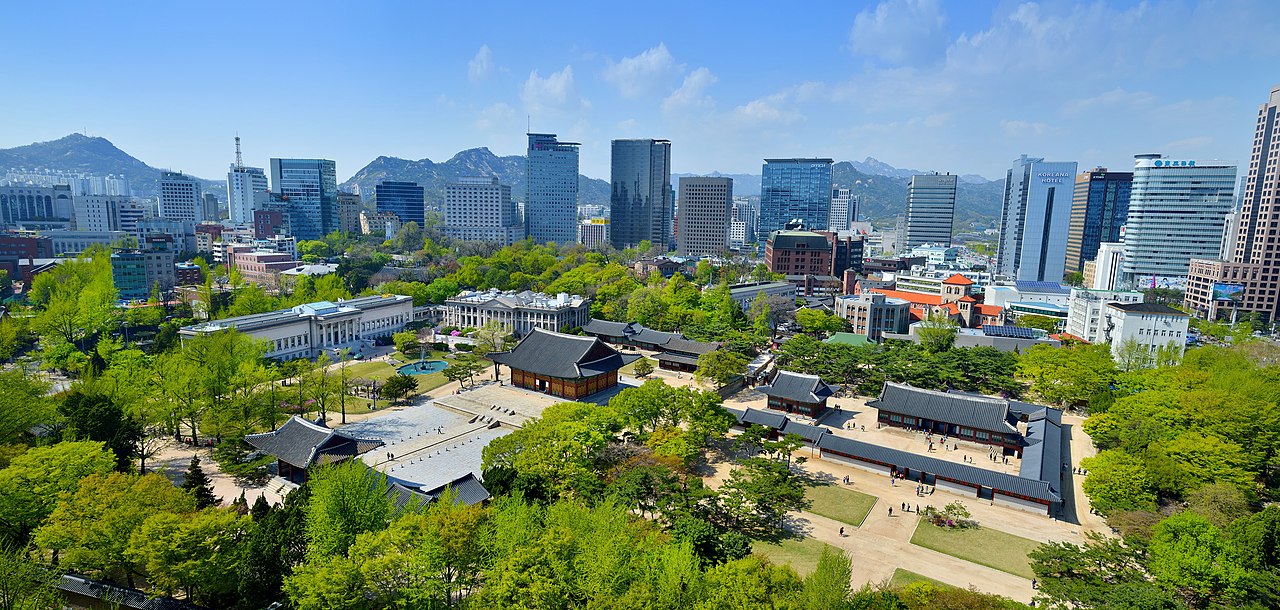
Deoksugung (덕수궁; Deoksu Palace) is one of the five principal palaces associated with the Joseon Dynasty and later the short-lived Korean Empire. Located in central Seoul, it is distinctive for the close juxtaposition of traditional Korean wooden palace buildings and Western-style masonry structures that date from the late 19th and early 20th centuries. Over time the site has served as a private princely residence, a temporary royal lodging in wartime, and, by the end of the 19th century, an imperial residence and symbol of a modernizing state.
Image gallery
10 Images



Early history and royal use
The site began as the residence of a member of the royal family and came into national prominence when war and destruction elsewhere forced the court to seek alternative quarters. After the 1592 invasions many major palaces in Hanyang (present-day Seoul) were damaged or destroyed, and kings and high-ranking royals used a variety of surviving estates. In later reigns the property alternated between private ownership and formal designation as a palace under different names. It was one of the city compounds in which queens, princes and occasionally a monarch took residence when the principal palace was unavailable.
Modernization and the Korean Empire
In the late 19th century, amid internal reform efforts and mounting foreign pressure, the compound was expanded and adapted to new needs. King Gojong moved his residence there and in 1897 proclaimed the Korean Empire, using the palace as an imperial seat for a time. During this period the grounds saw the introduction of electric lighting, Western-style reception rooms, and administrative spaces. Such changes reflected a deliberate effort to combine traditional court ritual with selected elements of Western statecraft and architecture.
Architecture and principal buildings
Deoksugung’s ensemble illustrates a visible dialogue between styles. Traditional wooden halls and pavilions stand close to late 19th-century stone buildings whose forms draw on European precedent. Principal buildings and features commonly noted by historians and visitors include:
- Junghwajeon — the main throne hall used for official audiences and ceremonies; a representative example of Joseon court architecture.
- Seokjojeon — a Western-style stone building that served as a reception hall and symbol of modern statecraft; it contrasts markedly with the wooden pavilions.
- Jeonggwanheon — a pavilion that blends Korean and Western influences, often used for meetings and leisure.
- Hamnyeongjeon and other traditional residences — smaller halls and living quarters that display classic wooden construction, rooflines and painted decoration.
Colonial period, damage and restoration
From 1910 to 1945, during the period of Japanese colonial rule, many Korean palaces and historic properties suffered alteration, partial demolition or conversion to other uses. Parts of Deoksugung were reduced in status, and sections of its grounds were converted for public use under the colonial administration of Japan. After liberation in 1945 successive conservation efforts by Korean authorities and cultural organizations have aimed to restore surviving structures, reconstruct lost elements where evidence permits, and interpret the site for visitors. Restoration work has tended to emphasize historical research and the careful repair of wooden fabric alongside the preservation of later stone buildings.
Cultural role and public access
Today Deoksugung functions as a public cultural site and museum complex administered by Korea’s cultural heritage authorities and associated institutions. The palace grounds host exhibitions, guided programs and educational activities that explain court life, architecture and Korea’s transition into a modern state. Deoksugung is also known for its ceremonial presentations, including a staged Changing of the Royal Guard that recreates historical court protocol at the main gate. The stone-walled walking route that follows the palace perimeter is a popular urban promenade, especially during seasonal floral displays and autumn foliage.
Significance
Deoksugung is significant both as a surviving royal compound and as a layered historical document. It embodies the continuity of Joseon court traditions while also showing the late 19th-century impulse to adopt Western architectural forms and technologies. As the site associated with the proclamation of the Korean Empire and the last royal household to occupy a palace in central Seoul, Deoksugung offers a compact case study of monarchy, modernization and the challenges of cultural preservation under colonialism and in the modern republic.
Visitors interested in deeper study are encouraged to consult museum displays on the palace grounds and publications produced by Korea’s cultural heritage organizations, which document ongoing research and restoration projects.
Questions and answers
Q: What is Deoksugung?
A: Deoksugung is one of the five grand palaces of the Korean Joseon Dynasty.
Q: Why did King Seonjo lived in Deoksugung?
A: King Seonjo lived in Deoksugung because there were no other palaces left after all of them burned down during the war.
Q: Who originally owned Deoksugung?
A: Deoksugung was originally the home of Prince Wolsandaegun who was King Seongjong's elder brother.
Q: What did King Gwanghaegun rename the palace to?
A: King Gwanghaegun renamed the palace to Gyeongun Palace.
Q: Who was confined to the palace and what was it renamed to?
A: Queen Dowager Inmok was confined to the palace and it was renamed West Palace or Seogung.
Q: Who lived in Deoksugung after it was returned to its original owners?
A: After it was returned to its original owners, King Gojong lived in Deoksugung.
Q: What happened to the palace during the colonial rule of Japan?
A: During the colonial rule of Japan from 1910 to 1945, the palace's buildings were destroyed and made into a public park.
Related articles
Author
AlegsaOnline.com Deoksugung Palace — historic Deoksu royal residence in central Seoul Leandro Alegsa
URL: https://en.alegsaonline.com/art/26667