
Dendrochronology: tree‑ring dating and its applications
Dendrochronology is the scientific study of tree growth rings to date wood, reconstruct past climates, and calibrate radiocarbon measurements across centuries to millennia.
Overview
Dendrochronology is the laboratory and field discipline that interprets the annual growth rings of woody plants to establish dates and environmental histories. Each year most temperate-zone trees add a ring of wood; the width, density and anatomical features of these rings record a tree's growth response to seasonal conditions. By reading and matching those patterns across many samples, scientists can assign calendar years to rings and build continuous timelines from living trees, historical timbers and subfossil wood.
Image gallery
7 Images



Principles and ring patterns
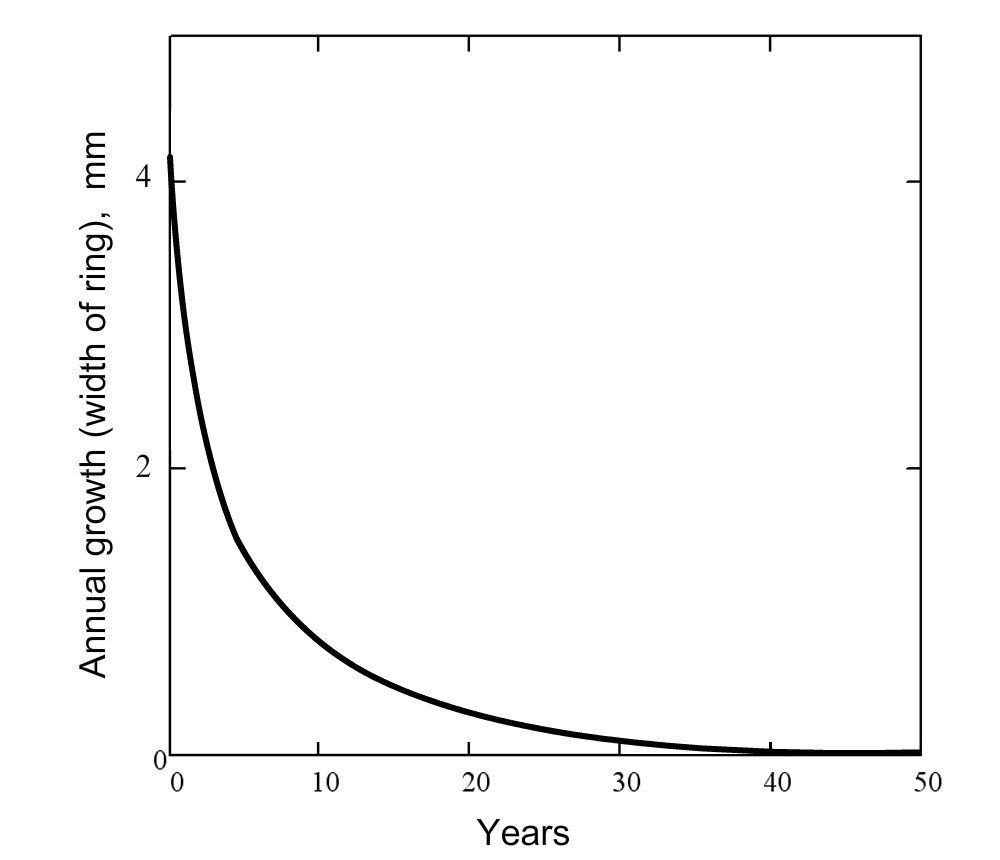
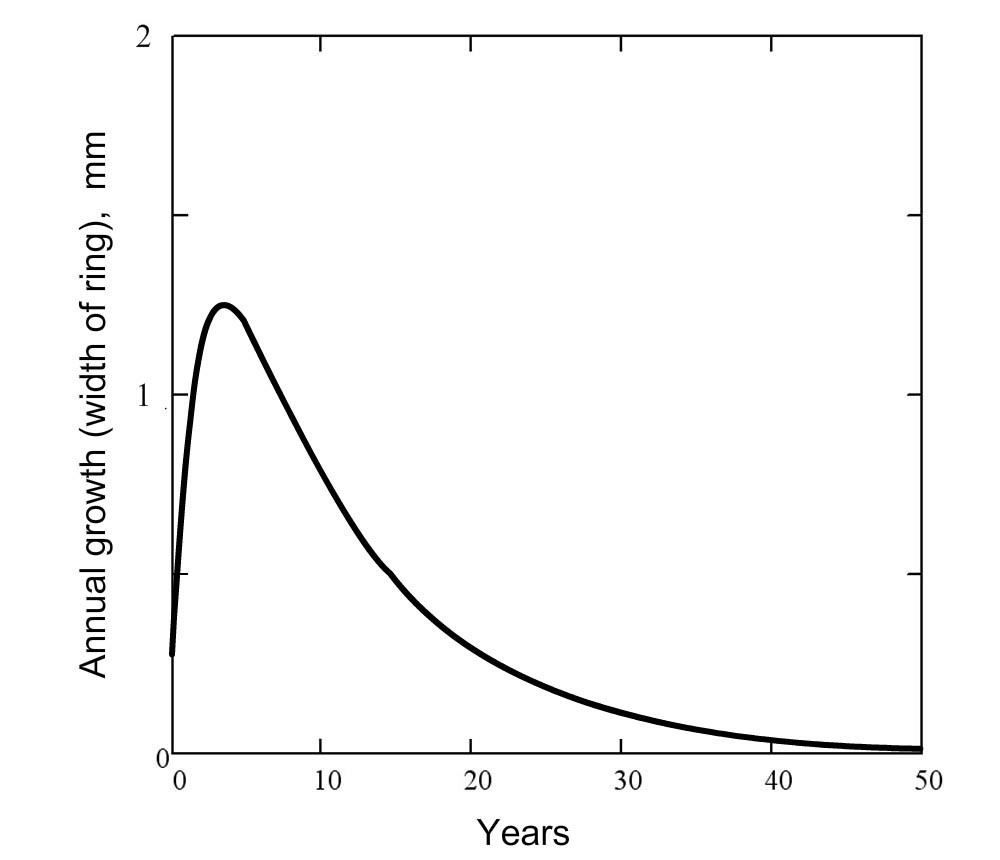
Rings form because growth rates differ between favorable and unfavorable seasons. A single ring typically has an earlywood portion formed under rapid spring growth and a latewood portion formed later in the season. Factors such as moisture availability, temperature, competition and local disturbance influence ring width and density. The core technique that gives dendrochronology its precision is crossdating: matching characteristic sequences of wide and narrow rings among multiple trees to detect the exact year each ring was produced. Readers often consult wood anatomy and statistical measures in addition to visual matching.
Methods and sample types
Field sampling commonly uses an increment borer to extract narrow cores from living trees without cutting them down; historic or archaeological timbers are sampled at ends or through small sections. Samples are prepared and measured under microscopes or with image-analysis equipment to record ring widths or latewood density. Chronologies may be local, regional or continental in scope. Researchers distinguish between floating sequences—patterns not yet tied to calendar years—and anchored or absolutely dated chronologies when crossdating connects a sequence to a known date.
History and development
The method was pioneered in the early 20th century by astronomer A. E. Douglass and colleagues who recognized the systematic nature of ring patterns and developed crossdating. Since then, dendrochronology has been refined with statistical techniques, high-resolution density measurements and radiocarbon calibration. Modern projects integrate tree-ring data with isotopic analyses and remote sensing to extend temporal and environmental interpretations.
Major applications
- Dating of wood and structures: precise construction or repair years for buildings, ships and artefacts in archaeology.
- Calibration of radiocarbon dating: tree-ring chronologies provide exact calendar ages used to adjust radiocarbon ages across recent millennia (radiocarbon calibration).
- Palaeoecology and climate reconstruction: ring-width and density records help infer past droughts, temperature variations and ecological change (palaeoecology).
- Forestry and ecology: assessments of growth trends, disturbance history and responses to management or environmental stressors, often using visible growth patterns (growth ring data).
Limitations and notable facts
Dendrochronology works best where trees form clear annual rings and where long sequences of preserved wood exist. In some regions continuous, absolutely dated chronologies extend many thousands of years—allowing precise dating and calibration over millennial intervals—though achievable spans vary by species and preservation. Shortcomings include the need for sufficient overlapping samples to avoid dating errors, the influence of non-climatic factors on growth, and regional differences in sensitivity. Despite these limits, tree-ring dating remains one of the most exact methods for assigning calendar years to organic wood and for linking environmental change to specific years.
For practical introductions and data portals consult general resources and regional dendrochronology labs. Further methodological detail and datasets are available through specialized publications and institutional collections (growth-ring resources, calibration series, archaeological case studies, palaeoecological syntheses).
Questions and answers
Q: What is dendrochronology?
A: Dendrochronology is a method of dating which uses the patterns of growth rings in trees.
Q: How is dendrochronology used in radiocarbon dating?
A: Dendrochronology is used in radiocarbon dating to calibrate radiocarbon ages.
Q: In what field is dendrochronology used to date old buildings?
A: Dendrochronology is used in archaeology to date old buildings.
Q: In what field is dendrochronology used to determine certain aspects of past climates?
A: Dendrochronology is used in palaeoecology to determine certain aspects of past climates.
Q: How far back can wood be dated in some parts of the world?
A: In some parts of the world, it is possible to date wood back a few thousand years, or even many thousands.
Q: What is the maximum for fully anchored chronologies?
A: The maximum for fully anchored chronologies is a little over 11,000 years from present.
Q: What does the term "fully anchored chronology" mean?
A: The term "fully anchored chronology" means the dates are absolutely certain.
Related articles
Author
AlegsaOnline.com Dendrochronology: tree‑ring dating and its applications Leandro Alegsa
URL: https://en.alegsaonline.com/art/26551
Sources
- ltrr.arizona.edu : "Useful tree species for tree-ring dating"
- journals.uair.arizona.edu : "INTCAL04 Terrestrial radiocarbon age calibration, 0–26 cal kyr BP"
- radiocarbon.ldeo.columbia.edu : "Current research: radiocarbon calibration"