
Decimal (base ten) numeral system
Overview of the decimal (base ten) system: its structure, history, decimal fractions and separators, common uses, and distinctions from other numeral systems.
Overview
The decimal numeral system, commonly called the decimal system or base ten, is the positional number system that uses ten as its base. In practice it employs ten distinct symbols — the digits 0 through 9 — and assigns each digit a place value that is a power of ten. This system is the worldwide standard for everyday counting, arithmetic, measurement and most human-oriented numeric notation.
Image gallery
5 Images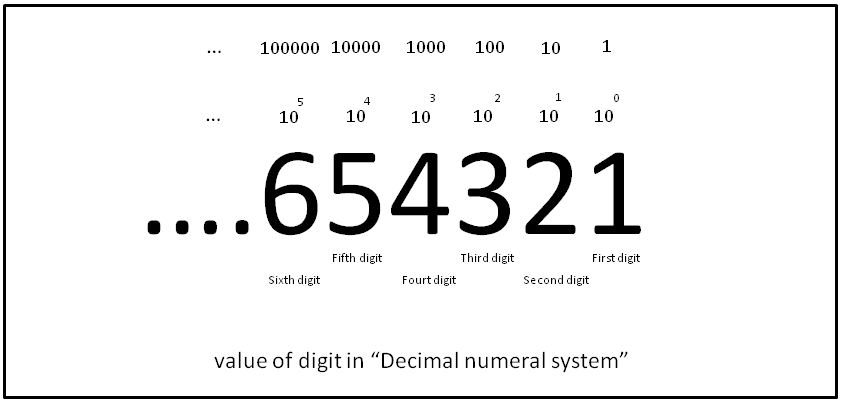


Structure and basic characteristics
The core features of the decimal system are its digits and place-value notation. Each position in a written number represents a multiple of a power of ten. For example, in the number 4,321 the digit 4 denotes four thousands (4 × 10³), 3 denotes three hundreds (3 × 10²), and so on. Decimal notation naturally extends to fractions by introducing a radix mark.
- Digits: 0, 1, 2, 3, 4, 5, 6, 7, 8, 9.
- Place value: each step left or right multiplies or divides the value by ten.
- Radix mark: separates integer and fractional parts (commonly a point or comma).
History and development
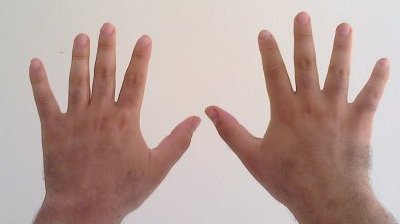
Forms of base-ten counting have been used in many cultures, likely because of finger counting. The positional decimal notation, with zero as a placeholder and concise rules for carrying and borrowing, developed gradually. Decimal fractions and systematic notation for them became widespread in Europe in the early modern period when mathematicians promoted fixed notation for fractional parts.
Decimal fractions and separators
When values smaller than one are required, the decimal system uses a radix mark often called the decimal point or decimal marker. Different countries use different symbols: many English-speaking countries use a point, while several European countries use a comma as the decimal separator. Decimal fractions allow rational numbers with denominators that are powers of ten to be written finitely; others are represented as repeating decimals (e.g., 1/3 = 0.333...).
Uses, examples and notable facts
Decimal notation appears in currency, the metric system, scientific calculations and everyday arithmetic. Examples include writing π approximately as 3.14159, monetary amounts like 12.50, or measurements such as 2.75 meters. While other bases (binary, hexadecimal) are common in computing, decimal remains the primary human-oriented numeral system because of its simplicity and historical adoption.
For further reading on terminology and variations in notation, see resources about the decimal numeral system, the concept of base ten, digit sets like ten symbols, historical treatments of the decimal point, and international practices for the decimal separator.
Questions and answers
Q: What is the decimal numeral system?
A: The decimal numeral system is the most usual way of writing numbers that has ten as a starting point, or base.
Q: What is the meaning of the term "decimal"?
A: The term "decimal" is sometimes used instead of the word "period" to mean the dot (".") that is sometimes used to separate the positions of the numbers in this system.
Q: What is another name for the decimal numeral system?
A: The decimal numeral system is sometimes called the base ten or denary numeral system.
Q: What is the default decimal separator in English-speaking countries?
A: The dot is the default decimal separator in English-speaking countries.
Q: What is the importance of the base ten in the decimal numeral system?
A: The base ten is the starting point in the decimal numeral system, and it allows for easy calculation and manipulation of numbers in everyday life.
Q: What is the significance of the dot in the decimal numeral system?
A: The dot is used to separate the positions of numbers in the decimal numeral system and is the most common way to represent decimal fractions.
Q: What is the difference between the decimal numeral system and other numeral systems?
A: The decimal numeral system has ten as a base, while other numeral systems may have different bases, such as binary (base two) or hexadecimal (base sixteen).
Related articles
Author
AlegsaOnline.com Decimal (base ten) numeral system Leandro Alegsa
URL: https://en.alegsaonline.com/art/26162