
A Daughter of the Congo (1930)
1930 race film by Oscar Micheaux; a presumed-lost hybrid silent/talkie exploring colonial contact, colorism, missionization, and contested Black representation in early American cinema.
Overview
A Daughter of the Congo is a 1930 American race film written, produced, and directed by Oscar Micheaux, one of the most prominent independent African American filmmakers of the early twentieth century. Released at the end of the silent era, the picture was advertised as a "talking, singing, dancing" feature though it contained only a brief synchronized sound sequence. The production was created for Black audiences and distributed within the segregated, independent circuit commonly called the race film market. The film is generally regarded as lost; knowledge of it survives through contemporary reviews, trade notices, synopses, and studio records. For contemporary press items and surviving production notices see contemporary notices and catalog entries at film databases.
Image gallery
1 Image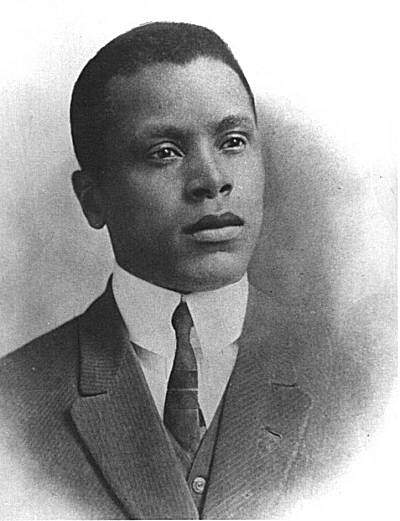
Source and adaptation
Micheaux based the project on material attributed to Henry Francis Downing and his novel The American Cavalryman (1917). Rather than a straightforward page‑to‑screen adaptation, the film appears to have taken themes and situations from Downing’s work and reshaped them to fit Micheaux’s concerns about race, identity, and uplift. The adaptation highlights cross‑cultural encounters and the tensions produced when African societies intersect with Western institutions; for background on Downing’s writing and related sources consult Downing’s work.
Plot and principal characters
The plot centers on Lupelta, played by Katherine Noisette, a mixed‑race Congolese woman who is abducted by Arab slave traders and later rescued by an African American military detachment. After her rescue Lupelta is placed in a mission school and exposed to Western-style education, religion, and social customs. The narrative traces her negotiation between the tribal traditions that shaped her childhood and the pressures of assimilation into Westernized society. The film’s storyline, as reported in period accounts, raises questions about cultural change, moral reform, and what Micheaux and his contemporaries considered "civilizing" influences.
Themes and critical responses
Key themes identified by reviewers and later scholars include colonial contact, missionization, colorism, and questions of respectable representation. Micheaux frequently explored uplift narratives in which education and self‑help were presented as remedies for social problems; in this film those ideas intersect with more problematic depictions rooted in popular stereotypes of the era. Theophilus Lewis of the Amsterdam News published a notably harsh critique, arguing that the film relied on simplistic divisions between "civilized" and "savage" characters and reproduced color hierarchies that many in the Black press found objectionable. His review exemplifies debates within African American communities about image, politics, and the responsibilities of Black artists; related commentary can be consulted at press criticism.
Production context and format
Micheaux made this picture during a difficult transitional moment in cinema history. The widespread adoption of synchronized sound after 1927 required new equipment, altered production practices, and raised costs that were prohibitive for many independent companies. Micheaux adapted by producing a hybrid film that remained primarily silent but included a short synchronized musical scene featuring the song commonly cited as "That Gets It." Period trade notices describe the picture’s mixed format and Micheaux’s marketing strategy; further production details are available in surveys of race film history at race film histories and in surviving studio materials referenced at studio papers.
Preservation and legacy
Like many race films, A Daughter of the Congo is presumed lost. The fragility of nitrate film stock, limited archival collecting for independent Black cinema, and restricted distribution channels contributed to the disappearance of many such titles. The film remains significant for scholars because it represents Micheaux’s attempts to address international and pan‑African themes within the constraints of low‑budget production, and because it reflects internal debates about representation in Black cultural life. Contemporary efforts to catalogue, preserve, and recover ephemeral materials from the era continue; for information on archival initiatives and preservation projects see preservation initiatives and broader historical studies at historical studies.
- Director: Oscar Micheaux (writer, producer, director).
- Lead: Katherine Noisette as Lupelta.
- Source: based on material from Henry Francis Downing’s The American Cavalryman (1917).
- Format: hybrid silent/talkie with a brief synchronized musical segment.
- Status: presumed lost; primary evidence comes from contemporary reviews and archival records.
Because the film itself cannot be viewed, assessments rely on surviving documentation and the broader context of Micheaux’s career. Scholars place the work within a continuum of race films that sought to create alternative representations of Black life while also negotiating mainstream expectations and commercial pressures. Researchers and archivists continue to seek missing prints and related materials that could shed further light on the film’s content, production, distribution, and reception.
Questions and answers
Q: What is A Daughter of the Congo?
A: A Daughter of the Congo is a 1930 silent movie. It was a race movie that was completely produced by blacks and intended for a black audience. It was written, directed, and produced by Oscar Micheaux. The movie is based on Henry Francis Downing's novel The American Cavalryman (1917).
Q: What is the plot of A Daughter of the Congo?
A: The movie stars Katherine Noisette as Lupelta, a mixed race Congolese girl who is abducted by Arab slave traders. She is rescued by an African American military battalion and taken to a mission school where she becomes acquainted with Western-style civilization but never completely loses touch with her tribal customs and influences from her early years.
Q: Is A Daughter of the Congo still in existence?
A: A Daughter of the Congo is presumed to be a lost film.
Q: How did Micheaux release his last silent movie?
A: Micheaux released his last silent movie as a “talking, singing, dancing picture” that only contained one short sound sequence which included performance of the song “That Gets It”.
Q: Who wrote about this film in Amsterdam News?
A: Theophilus Lewis wrote about this film in Amsterdam News.
Q: What did Lewis think about this film?
A: Lewis wrote a harsh review stating that it was based on false assumptions that had no connection with reality.
Related articles
Author
AlegsaOnline.com A Daughter of the Congo (1930) Leandro Alegsa
URL: https://en.alegsaonline.com/art/26
Sources
- imdb.com : “A Daughter of the Congo," IMDb
- silentera.com : “Silent Era People: Oscar Micheaux," SilentEra.com
- allmovie.com : “Overview: A Daughter of the Congo,” AllMovie
- books.google.com : “Film and Authorship” by Virginia Wright Wexman, Google Books
- books.google.com : “Within Our Gates” by Alan Gevinson, American Film Institute