
Dead reckoning: estimating position by course, speed, and time
Dead reckoning is a navigation technique that estimates current position from a known point using speed, course and elapsed time; still used where fixes are unavailable and in modern inertial or odometry systems.
Dead reckoning is a method for estimating a moving object's current position by projecting from a previously determined location (a fix) using measured direction and distance traveled. It is a foundational practice in traditional and modern navigation, relying on successive updates of heading and distance rather than continual external position fixes. The basic idea is simple: starting from a known point, combine a heading (or course) with the distance covered during a known time interval to obtain a new estimated position. That estimate remains valid until an independent position fix—such as a sighting, radio fix, or satellite signal—can confirm and correct it.
Image gallery
3 Images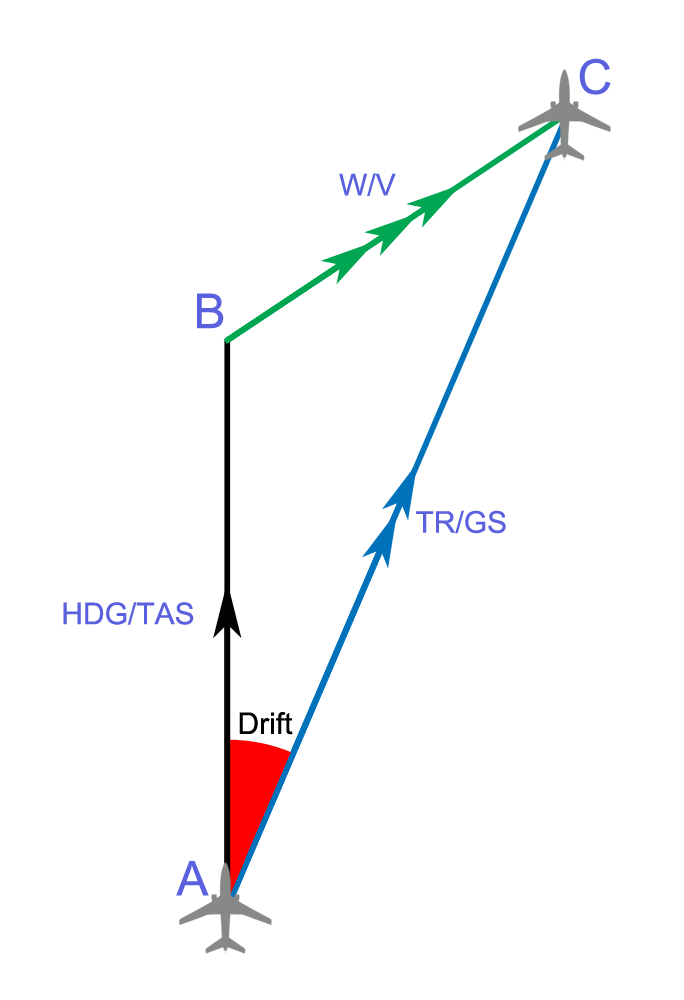

Core elements and procedure
Dead reckoning requires three primary measurements: a reliable last fix, a direction (compass heading or track), and a measure of distance or speed over time. Practically this is done by repeating cycles: record heading, measure speed for a time period, compute distance = speed × time, then plot the new position. Modern implementations replace purely manual plotting with sensors such as inertial measurement units (IMUs), wheel encoders, or pitot/static systems. A common modern pairing is GPS with an inertial navigation system (INS): when GPS is available the INS is corrected, and when GPS is lost the INS provides dead-reckoned positions until fixes resume.
History and development
Sea and air navigators relied on dead reckoning for centuries. Sailors used compass bearings, logs for speed, and chart plotting to cross oceans before reliable, continuous fixes were possible. After Christopher Columbus and other early transatlantic voyagers, mariners combined dead reckoning with celestial observations to determine latitude and to reduce accumulated errors. Determining longitude at sea remained difficult until accurate marine chronometers became widespread; these precise clocks improved longitudes and thus the quality of fixes that could be used to correct dead-reckoned tracks (chronometers).
Modern contexts and applications
Dead reckoning persists in many domains. Aircraft pilots use it as a backup when radio navigation or GPS is unavailable. Mariners continue to practice DR for coastal piloting and during GPS outages. On land, autonomous vehicles and robots use odometry and IMUs for short-term dead reckoning; pedestrian dead reckoning (PDR) estimates steps and stride direction in indoor positioning. The widespread deployment of the Global Positioning System (GPS) reduced routine reliance on DR, but it remains essential during temporary satellite outages, jamming, or signal degradation. Satellite vulnerabilities—whether routine maintenance or rare space weather events affecting satellites—can make robust dead-reckoning procedures important. The possibility of ionospheric disturbances or solar storms affecting signals is one practical reason crews study DR (solar flare effects).
Tools, sources of error, and correction
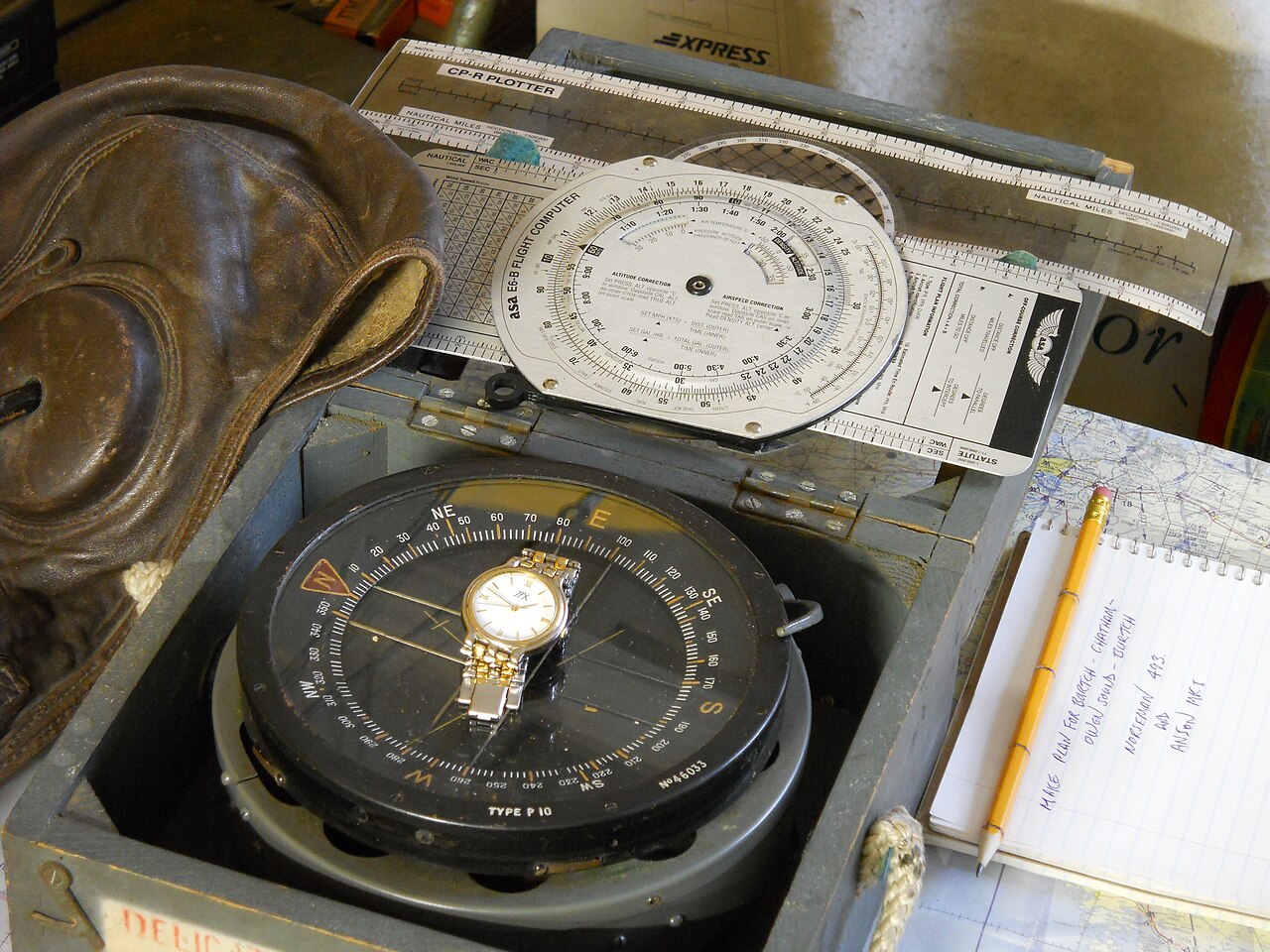
Traditional tools include charts, parallel rules, dividers and logbooks; modern systems add sensor fusion software. Common error sources are small biases that accumulate: compass errors, inaccurate speed measurements, ocean currents or wind drift (leeway), wheel slip, and IMU drift. Because those errors accumulate over time, dead reckoning is always corrected by independent fixes such as celestial sights, radio ranges, radar fixes, or satellite positions. Effective practice blends periodic fixes with careful sensor calibration and realistic uncertainty estimates.
Examples and notable facts
- Early explorers used DR between celestial observations to estimate positions during long ocean crossings.
- Polar and long-distance aviators in the early twentieth century relied heavily on dead reckoning when radio navigation was limited; for example, Richard E. Byrd and his contemporaries used DR on polar flights.
- In robotics and automotive systems, dead reckoning is commonly called odometry and is often fused with map matching or GPS to limit drift.
Dead reckoning remains a practical, widely taught skill and a technical component of many autonomous systems because it provides continuity of position when external fixes are absent or unreliable. For further reading on historical navigation techniques and modern sensor integration see related resources on celestial navigation, position fixing, and inertial systems (latitude and celestial methods, navigation overview, satellite navigation).
Additional references and instructional material are available through training manuals and technical guides that explain plotting procedures, sensor error models, and correction strategies for sustained accuracy in practical dead-reckoning use (chronometer history, satellite considerations, space weather impacts).
Questions and answers
Q: What is Dead Reckoning?
A: Dead Reckoning (or DR) is a method of estimating a position by using the last known point, speed and direction of movement.
Q: What is Dead Reckoning used for?
A: Dead Reckoning is used to track the position of a ship, airplane or vehicle.
Q: Why is Dead Reckoning not used as much now?
A: Global Positioning System (GPS) is now used for navigation, making Dead Reckoning less important.
Q: In what situations is Dead Reckoning still useful?
A: Dead Reckoning is useful in areas where GPS is not available or for short periods of time if a GPS update is missed.
Q: Why is it important to know about Dead Reckoning?
A: Knowing about Dead Reckoning is important in case the GPS satellites are damaged or equipment is lost, so sailors and pilots can still navigate.
Q: How did sailors map the world after Christopher Columbus came to the New World?
A: Sailors used Dead Reckoning and the stars to find their latitude and map the world.
Q: How did Richard Byrd become the first person to fly to the North Pole?
A: Richard Byrd used Dead Reckoning to fly to the North Pole in 1926 by flying for 16 hours and returning to the place he had left, with only ice fields beneath him.
Related articles
Author
AlegsaOnline.com Dead reckoning: estimating position by course, speed, and time Leandro Alegsa
URL: https://en.alegsaonline.com/art/25956
Sources
- deadreckoning.com : "Reckoning Aviation Navigation"
- belfortinstrument.com : "How Byrd Navigated to the North Pole"
- ship468.org : "Sea Scout Ship, Navigation"