
David IV of Georgia (David the Builder)
David IV (Davit Aghmashenebeli), king of Georgia from 1089 to 1125, unified and strengthened the medieval Georgian state, led military and administrative reforms, and fostered a cultural renaissance.
Overview
David IV (Georgian: Davit Aghmashenebeli) (born c. 1073, died 24 January 1125) was a medieval king from the House of Bagrationi who reigned as King of Georgia from 1089 until his death. He is commonly called "David the Builder" for the political, military and cultural transformations that set the foundations of the Georgian Golden Age.
Image gallery
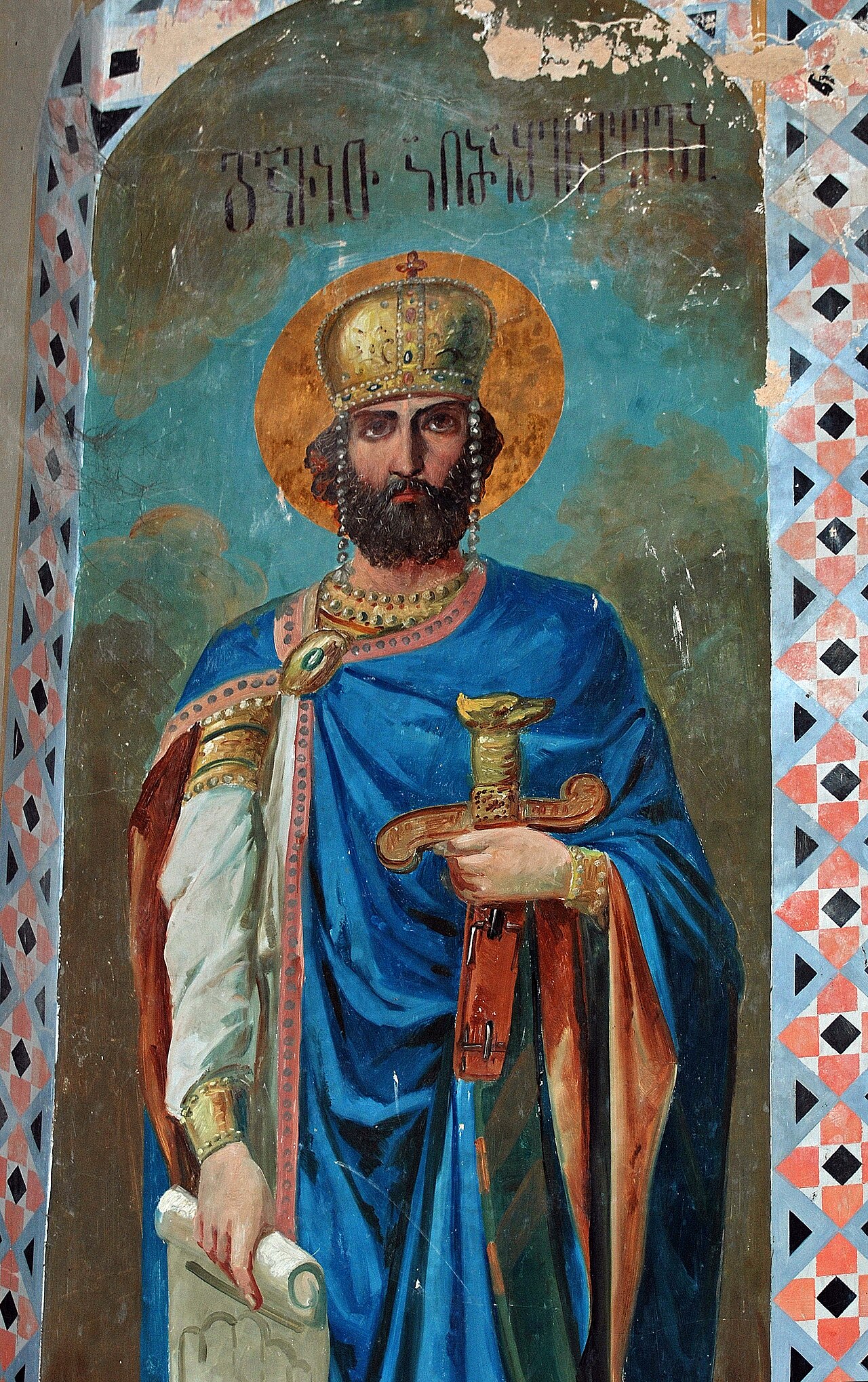
10 Images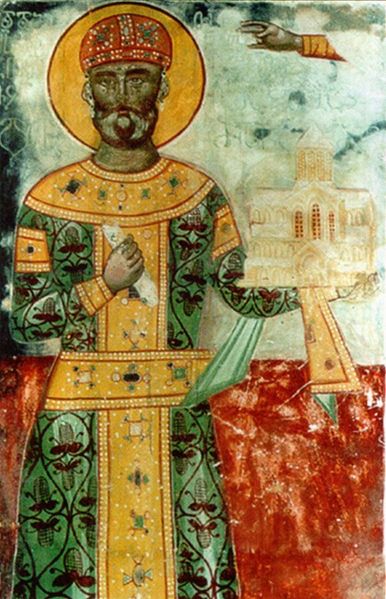




Early life and accession
David became ruler while Georgia faced internal fragmentation and pressure from neighboring powers, notably Seljuk incursions. He inherited a compact realm and spent his early reign consolidating royal authority, reclaiming lost territories, and reforming governance to strengthen central control.
Military and administrative reforms
To secure the kingdom David reorganized the army and pursued a pragmatic foreign policy. He recruited allied nomadic forces, improved fortifications, and led campaigns that reversed earlier territorial losses. The victory at the Battle of Didgori (1121) is often cited as a turning point that enabled recovery of major cities and trade routes.
Cultural and ecclesiastical revival
David supported education, monastic scholarship, and church building. He patronized institutions such as the Gelati academy and encouraged the production of religious and legal texts. His reign strengthened the Georgian Orthodox Church and promoted a distinct national culture.
Legacy and significance
David IV is remembered as a unifying monarch who combined military skill with administrative and cultural patronage. Later generations and the Georgian Church canonized him as a saintly ruler. His policies shaped the development of a centralized Georgian state and influenced the region's medieval history.
Key achievements
- Consolidation of royal power and territorial recovery
- Military reorganization and decisive battlefield victories
- Founding or patronage of learning centers and monasteries
- Legal and administrative reforms that strengthened the crown
For further study, consult specialized histories of medieval Georgia and entries on Georgian cultural institutions and military history. Reliable summaries and primary-source translations provide context for David's long-term influence on Caucasian politics and culture.
Questions and answers
Q: Who was David IV of Georgia?
A: David IV of Georgia, also known as David II or David III, or David the Builder, was King of Georgia from 1089 to 1125.
Q: What was David IV's last name?
A: David IV's last name was Bagrationi.
Q: When did David IV become King of Georgia?
A: David IV became King of Georgia in 1089.
Q: What was David IV's nickname?
A: David IV is also known as David the Builder.
Q: What is David IV's full name in Georgian?
A: In Georgian, David IV's full name is "Davit Aghmashenebeli."
Q: When did David IV die?
A: David IV died on January 24, 1125.
Q: Which royal house did David IV belong to?
A: David IV belonged to the House of Bagrationi.
Related articles
Author
AlegsaOnline.com David IV of Georgia (David the Builder) Leandro Alegsa
URL: https://en.alegsaonline.com/art/25776
Sources
- britannica.com : Britannica online
- parliament.ge : Georgia in the Developed Feudal Period (XI-the first quarter of the XIII c.)