
David Frost: British broadcaster, satirist and interviewer
David Frost (1939–2013) was an English broadcaster and writer best known for 1960s political satire and his television interviews with major public figures, including the 1977 conversations with Richard Nixon.
David Paradine Frost was an English journalist, television presenter and media figure whose career spanned more than five decades. He first came to widespread attention in the early 1960s as a youthful presenter and script contributor to breakthrough satirical programmes, and he became particularly well known for a direct, conversational interview style that drew audiences on both sides of the Atlantic. For background on his life and work see biographical sources and press summaries of his career as a journalist.
Image gallery
6 Images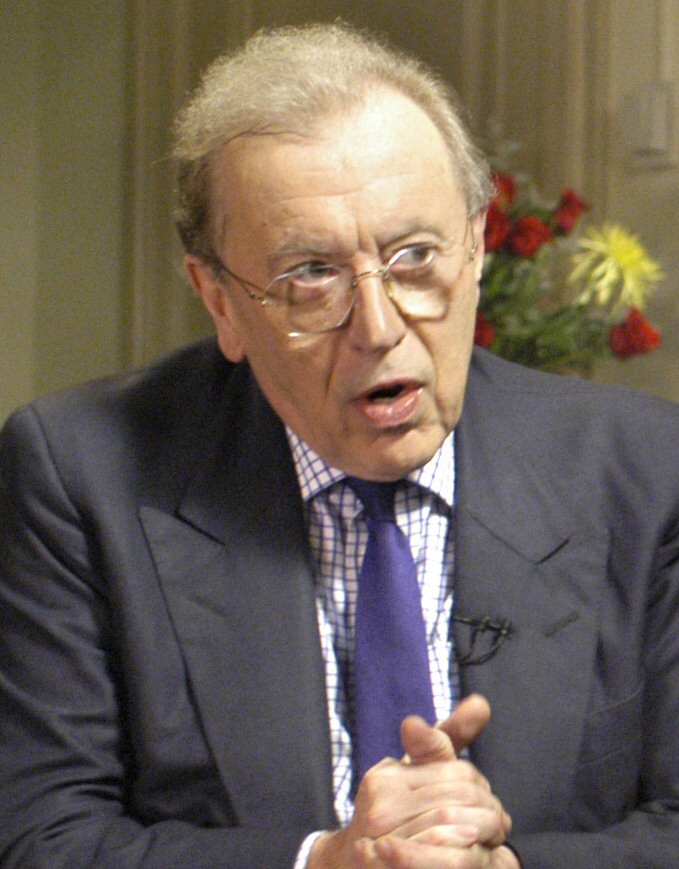


Career and public work
Frost helped launch modern televised satire in Britain. He was a leading figure on That Was the Week That Was, a weekly political review and sketch show that reflected a changing public mood in the 1960s. He later fronted other influential series that mixed comedy, social commentary and interviews. Over the years Frost developed a reputation for serious, lengthy conversations as well as lighter entertainment: his programmes combined elements of humour, investigation and personality-driven discussion.
His best-known long-form interview project came after he travelled to the United States to interview senior political figures. In 1977 he conducted a series of televised conversations with former US president Richard Nixon, often referred to as the Nixon Interviews. Those broadcasts and the preparation behind them attracted international attention and have been the subject of later dramatizations and films. Frost also interviewed diplomats, prime ministers and cultural figures, building a catalogue of high-profile conversations that showcased his probing yet often civil style. For contemporary comment and archive material see coverage linked at media archives.
Notable programmes and approach
- Satire and sketch shows: early television work that helped redefine political satire.
- Interview series: long-form televised interviews with statesmen and celebrities.
- Current affairs and light entertainment: a mix of formats from hard conversation to daytime television.
Frost combined preparation and familiarity with his subjects with an accessible, conversational tone that made complex topics approachable for a broad audience. He was an early practitioner of the extended interview as a form of television journalism, and he later carried that method into prime-time broadcasts and special programmes.
Early life and education
Born in Kent on 7 April 1939, Frost grew up in the county and attended local schools before going on to study at Cambridge. His formative years and university experience helped shape his interest in performance, debate and media. Local records note his upbringing in towns such as Tenterden and Gillingham, and further information about his schooling and college years can be found at regional and university sources: Tenterden, England, Gillingham and Gonville and Caius College.
Personal life and legacy
Frost's personal life, like that of many public figures, attracted media attention. He had several high-profile relationships and marriages: a brief marriage to Lynne Frederick is part of the public record (Lynne Frederick), as are reported personal links with figures such as Carol Lynley (Carol Lynley) and an engagement reported with Diahann Carroll (Diahann Carroll). In 1983 he married Lady Carina Fitzalan-Howard; the couple had three sons and their family life included public ties such as Diana, Princess of Wales acting as godmother to one child (Diana, Princess of Wales).
Frost received honours and public recognition for his broadcasting work during his lifetime. He was formally styled as Sir David Frost after receiving a knighthood, and he continued to present and produce programmes into later life. His death occurred on 31 August 2013 while aboard the cruise ship MS Queen Elizabeth; reports cited a heart attack brought on by cardiomyopathy as the cause (cardiomyopathy). Additional contemporary reports and memorial pieces are archived with major news organisations and cultural institutions (press reports).
For readers wishing to explore his broadcasts, dramatizations and interviews, many clips and retrospectives are available through television archives and repositories. Further material on Frost's production work, interview transcripts and programme histories is collected at broadcast archives and specialist libraries; see institutional catalogues and curated retrospectives (national sources, regional archives, and media collections at academic and journalistic repositories).
Questions and answers
Q: What was the name of the political satire show that made David Frost famous?
A: The political satire show that made David Frost famous was called That Was The Week That Was.
Q: When did Frost die?
A: Frost died on August 31, 2013.
Q: Where was he born?
A: He was born in Tenterden, Kent, England.
Q: What college did he attend?
A: He attended Gonville and Caius College, Cambridge.
Q: How many marriages did he have?
A: He had two marriages; one to Lynne Frederick from 1981-1982 and one to Lady Carina Fitzalan-Howard from 1983 until his death in 2013.
Q: Who was the godmother of his youngest son?
A: Diana, Princess of Wales was the godmother of Frost's youngest son.
Q: What caused his death?
A: His death was caused by a heart attack due to cardiomyopathy.
Related articles
Author
AlegsaOnline.com David Frost: British broadcaster, satirist and interviewer Leandro Alegsa
URL: https://en.alegsaonline.com/art/25759
Sources
- timelinetheatre.com : TimeLine Theatre Company, Chicago: Frost/Nixon Study Guide
- telegraph.co.uk : "For sale: the stunning Hampshire home of Sir David Frost"
- cnn.com : "David Frost, veteran British broadcaster, dies at 74"
- bbc.co.uk : "BBC News – Sir David Frost, broadcaster and writer, dies at 74"