
Das alte Karussell — Lys Assia's 1956 Swiss Eurovision entry
"Das alte Karussell" is a German-language song performed by Lys Assia, released as a single in 1956 and chosen as one of Switzerland's entries for the inaugural Eurovision Song Contest.
Overview
"Das alte Karussell" (German for "The Old Carousel") is a mid-1950s popular song performed by Lys Assia, the Swiss singer who became closely associated with the early years of the Eurovision Song Contest. The tune was composed by George Betz-Stahl and recorded and issued as a single in 1956. It was one of Switzerland's contributions to the first Eurovision competition.
Image gallery
1 Image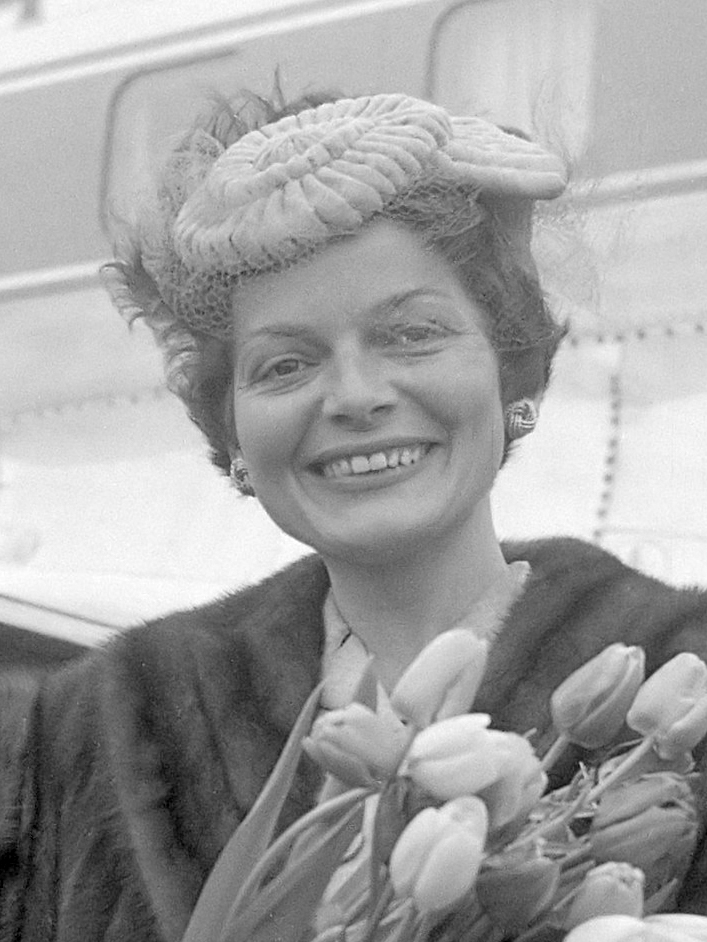
Musical character and lyrics
Performed in German, the song belongs to the traditional chanson-pop style of the 1950s: a clear vocal line, orchestral accompaniment, and a sentimental mood. Its title evokes images of nostalgia and moving fairground rides; while full lyric texts are not reproduced here, contemporary descriptions place the piece among gentle, melodic numbers that emphasize memory and wistfulness rather than dramatic virtuosity.
Recording, release and the artist
Released during a period when single records were the primary medium for popular songs, "Das alte Karussell" supplemented Lys Assia's growing catalogue. Assia — often referred to simply as the Swiss singer who earned international recognition in the 1950s — had already achieved visibility on radio and records, and her participation in the Eurovision event helped cement her reputation across Europe.
Eurovision Song Contest 1956
The song represented Switzerland at the very first Eurovision Song Contest. In that inaugural year, countries were permitted to enter more than one song, and Assia famously performed multiple entries for her country. The 1956 contest, held in Lugano, Switzerland, launched a pan-European music format that has continued to evolve. Because scoring details from the event were not fully disclosed, many historical accounts focus on which songs were performed and who the artists were rather than detailed ranking data.
Legacy and notable facts
Although "Das alte Karussell" did not become as widely remembered as some other Eurovision songs from later decades, it remains of interest to historians of the contest and collectors of 1950s European popular music. Key points include:
- Composer: George Betz-Stahl.
- Performer: Lys Assia, a central figure in early Eurovision history.
- Year of release: 1956, issued as a single.
- Association with the first Eurovision event and the contest's formative years.
For listeners and researchers, recordings and archival references can be sought through general music archives and dedicated Eurovision histories; additional contemporary context and discography entries are available via specialized sources and databases that track early contest entries and post-war European popular music records.
Questions and answers
Q: Who is the singer of "Das alte Karussell"?
A: The singer of "Das alte Karussell" is Swiss singer Lys Assia.
Q: Who wrote "Das alte Karussell"?
A: "Das alte Karussell" was written by George Betz-Stahl.
Q: In which year was "Das alte Karussell" released as a single?
A: "Das alte Karussell" was released as a single in 1956.
Q: Which country did "Das alte Karussell" represent in Eurovision Song Contest in 1956?
A: "Das alte Karussell" represented Switzerland in the Eurovision Song Contest in 1956.
Q: What is the English translation of "Das alte Karussell"?
A: The English translation of "Das alte Karussell" is "The old carousel".
Q: What type of song is "Das alte Karussell"?
A: "Das alte Karussell" is a song performed by a Swiss singer.
Q: Who is the songwriter of "Das alte Karussell"?
A: The songwriter of "Das alte Karussell" is George Betz-Stahl.
Related articles
Author
AlegsaOnline.com Das alte Karussell — Lys Assia's 1956 Swiss Eurovision entry Leandro Alegsa
URL: https://en.alegsaonline.com/art/25602
Sources
- eurovision.tv : "Final of Lugano 1956" · web.archive.org
- discogs.com : "Lys Assia – Das Alte Karussell" · web.archive.org
- vorstadtmusic.ch : "Schweizer Ausscheidung - Finale Suisse - Finale Svizzera" · web.archive.org
- eurovision.tv : "Lys Assia - Switzerland — Lugano 1956" · web.archive.org
- andtheconductoris.eu : "Fernando Paggi"
- eurovision.tv : "Lugano 1956" · web.archive.org
- 45cat.com : "Lys Assia - Das alte Karussell / Es wird nie mehr so schön (Remember Me, Wherever You Go)" · web.archive.org