
Darwin Medal
A biennial Royal Society medal recognizing major contributions to evolution, population and organismal biology, and biodiversity; eligibility linked to the Commonwealth and the Republic of Ireland.
Overview
The Darwin Medal is a prestigious scientific award presented every two years by the Royal Society of London. It recognizes outstanding work in biological fields closely associated with Charles Darwin, most notably studies of evolution, population biology, organismal biology and biological diversity. The prize was instituted in the late 19th century and has been given to many leading researchers in evolutionary science.
Image gallery
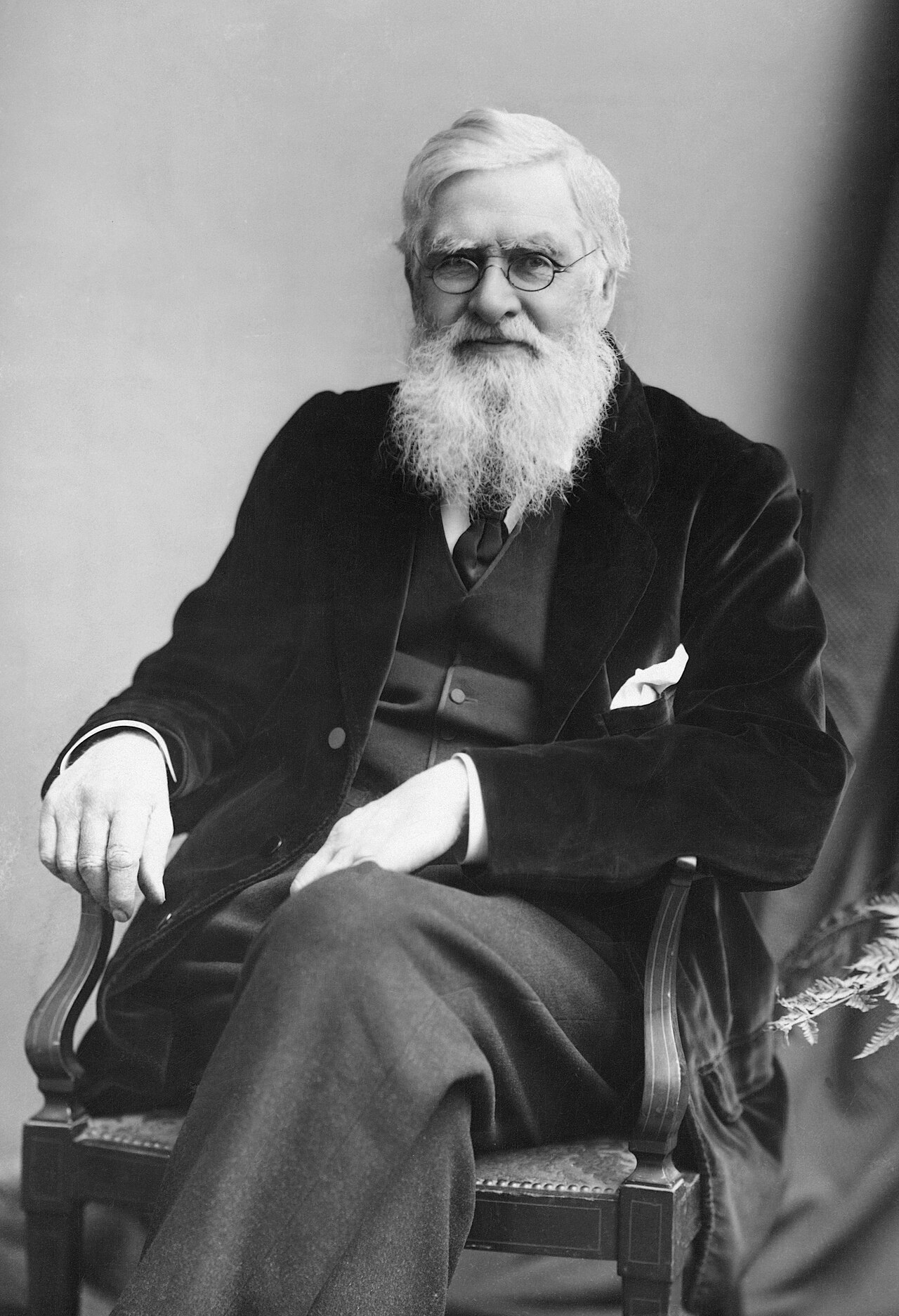
10 Images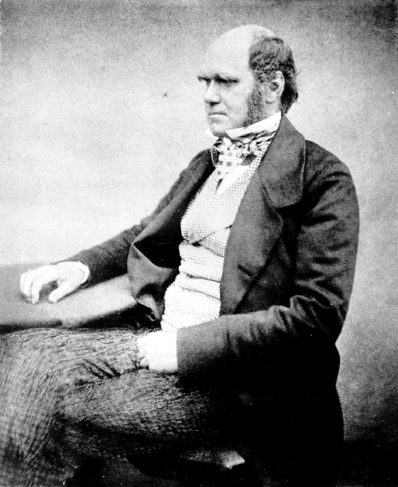




Scope and criteria
The medal is intended for scientists whose research advances understanding of the processes and patterns that Darwin studied. Typical areas of emphasis include variation within and between populations, mechanisms and consequences of natural selection, life-history and organismal traits, and the description and conservation of biodiversity. The Royal Society specifies eligibility rules: recipients must be citizens of—or have been resident for at least three years in—a member country of the Commonwealth or in the Republic of Ireland. Nominations are made through the Society’s established procedures and the award is decided by a committee of peers.
History and notable facts
First awarded in 1890, the Darwin Medal acknowledged early contributors to evolutionary thought. The inaugural recipient was Alfred Russel Wallace, who independently formulated a theory of natural selection alongside Darwin. Since its creation the medal has been awarded more than sixty times, serving as a recurring marker of major advances in evolutionary and organismal biology. The medal traditionally includes a monetary component; historically the award has been associated with a cash prize (the amount has varied over time).
Importance and impact
Receiving the Darwin Medal is regarded as a high honor in biological sciences. It highlights work that deepens understanding of how species change and diversify, and it often recognizes research with broad consequences for ecology, conservation and applied biology. For many laureates, the award brings wider attention to fields such as population genetics, comparative anatomy and speciation research.
Distinctions and related honors
The Darwin Medal is one among several awards named after Darwin or associated with evolutionary study. It is distinct from other Darwin-related honors given by different societies, each with its own traditions and eligibility rules. For context and further reading about the scientific areas the medal celebrates, see general resources on biological sciences and the life and work of Charles Darwin. Additional institutional contexts include the Commonwealth framework (Commonwealth) and the specific eligibility connection to the Republic of Ireland.
- Established: 1890
- Frequency: biennial
- Typical fields: evolution, population biology, organismal biology, biodiversity
- First recipient: Alfred Russel Wallace
Questions and answers
Q: What is the Darwin Medal?
A: The Darwin Medal is an award given by the Royal Society every two years for work in biology areas Charles Darwin worked in.
Q: What are the areas of biology covered by the Darwin Medal?
A: The areas of biology covered by the Darwin Medal are evolution, population biology, organismal biology, and biological diversity.
Q: When was the Darwin Medal first awarded?
A: The Darwin Medal was first awarded in 1890.
Q: Who was the first recipient of the Darwin Medal?
A: The first recipient of the Darwin Medal was Alfred Russel Wallace, who independently developed the theory of evolution by natural selection.
Q: What is the prize associated with the Darwin Medal?
A: The prize associated with the Darwin Medal is £2000.
Q: Who is eligible for the Darwin Medal?
A: Candidates from the Commonwealth of Nations or of the Republic of Ireland are eligible for the Darwin Medal, provided that they are either a citizen of such a nation or have lived in such a nation for at least three years before the nomination.
Q: How many times has the Darwin Medal been awarded?
A: The Darwin Medal has been awarded over 60 times since its creation.
Related articles
Author
AlegsaOnline.com Darwin Medal Leandro Alegsa
URL: https://en.alegsaonline.com/art/25586
Sources
- royalsociety.org : "Darwin Medal"