
Dartmouth College: overview, history, organization, and traditions
Private Ivy League college in Hanover, New Hampshire, founded 1769; small undergraduate-focused campus with graduate professional schools, distinctive traditions, and a notable legal and institutional history.
Overview
Dartmouth College is a private, coeducational institution located in Hanover, New Hampshire. Chartered in 1769, it is a member of the Ivy League and one of the Colonial Colleges founded before the American Revolution. Dartmouth combines a liberal arts undergraduate college with professional schools in medicine, engineering and business and several graduate programs. With total enrollment of roughly 5,800 students, it is the smallest school in the Ivy League and is known for close student–faculty interaction and a residential college culture.
Image gallery
10 Images




Organization and campus
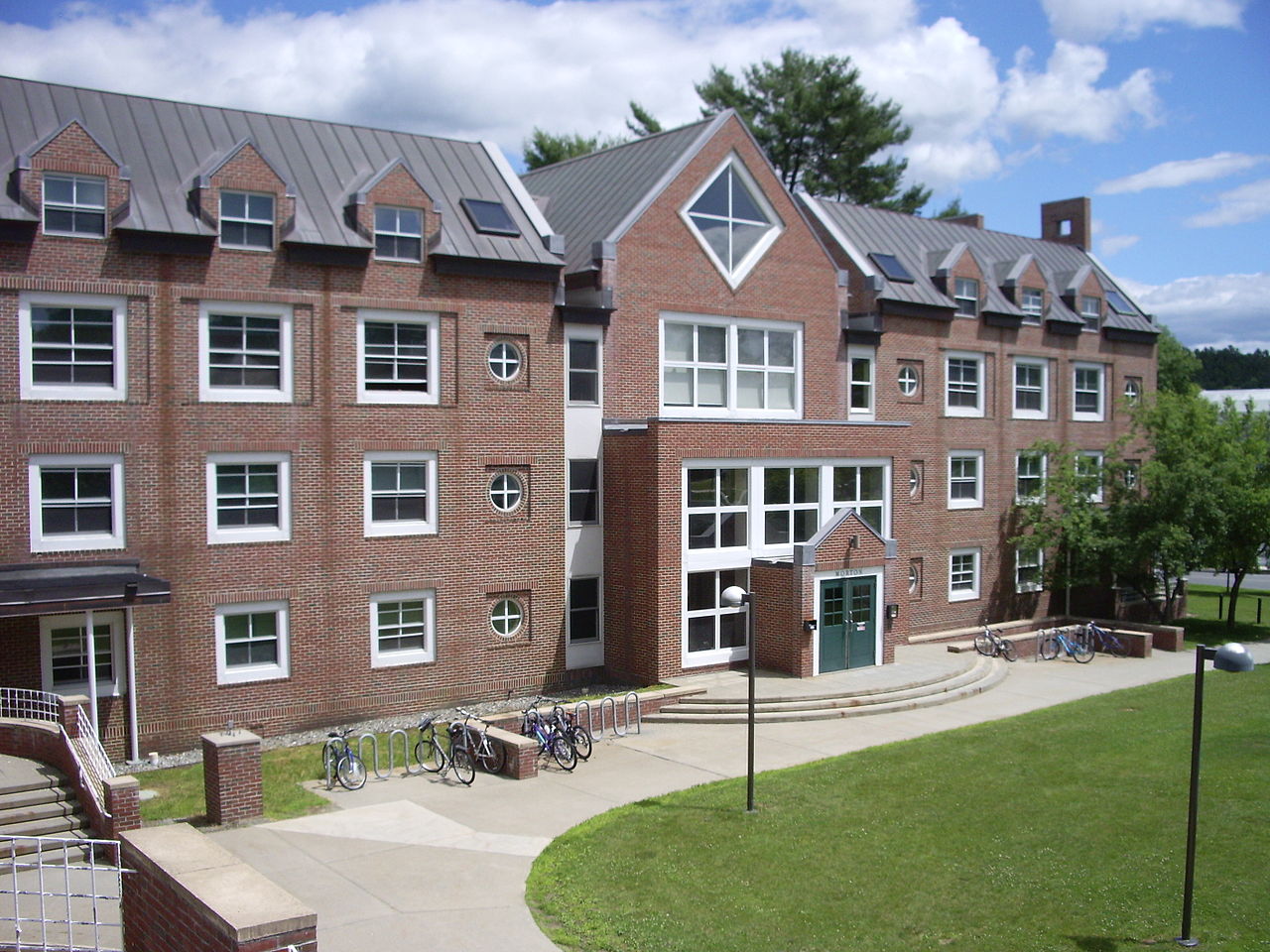
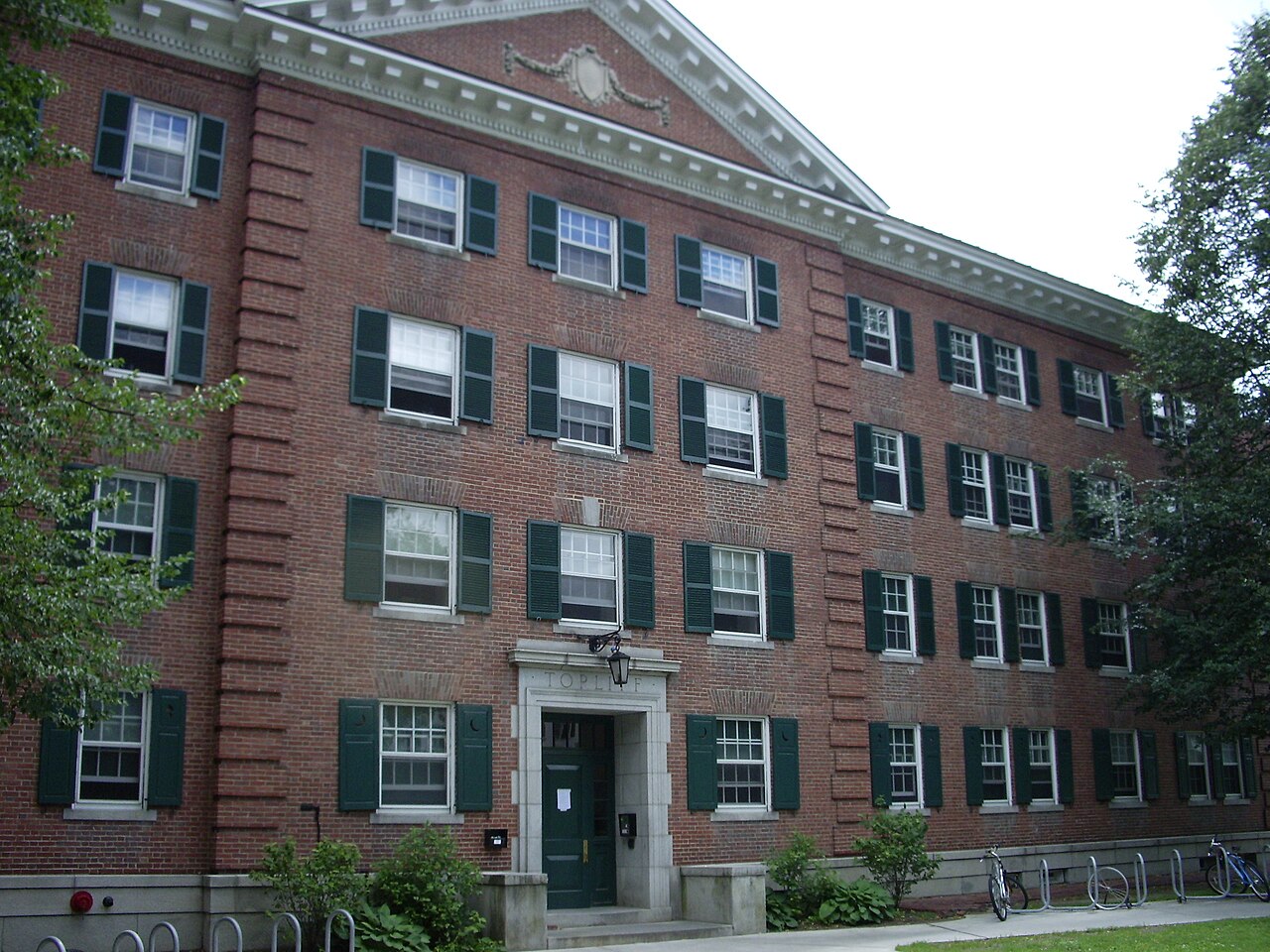
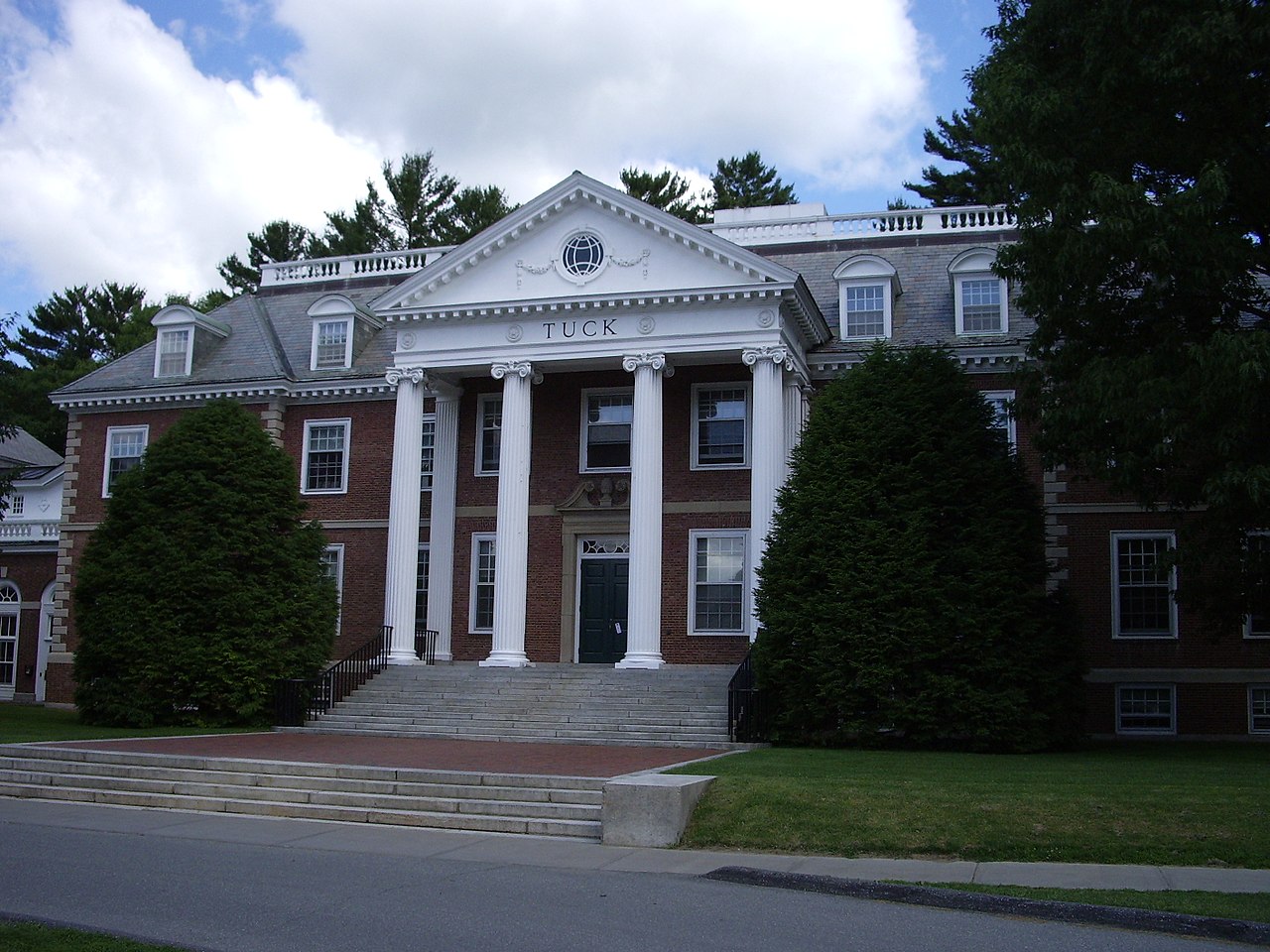
The college is legally incorporated as the "Trustees of Dartmouth College" and operates on a rural campus of several hundred acres in the Upper Valley region. Academic units include the undergraduate Arts and Sciences programs and three primary professional schools: the Tuck School of Business, the Thayer School of Engineering and the Geisel School of Medicine. Administrative and research activities are complemented by interdisciplinary graduate offerings in the arts and sciences. The campus setting encourages outdoor recreation and shaped the early creation of the Dartmouth Outing Club, an influential student organization.
History and development
Dartmouth was founded by Eleazar Wheelock, a Congregational minister who initially envisioned the institution as a school to train Native Americans alongside other students; the college later evolved into a broadly based liberal arts and professional university. In the early nineteenth century, the U.S. Supreme Court decision in Trustees of Dartmouth College v. Woodward protected the college's corporate charter and played an important role in American constitutional and corporate law. During the late nineteenth and early twentieth centuries Dartmouth underwent substantial growth and redefinition, as alumni and donors helped expand its academic and physical infrastructure.
Academics, student life and traditions
Academically, Dartmouth emphasizes undergraduate teaching and research opportunities for undergraduates alongside graduate professional education. The college supports a residential-house system, active Greek life, and a wide range of student organizations. Traditional events and customs—such as Winter Carnival and other long-standing campus rituals—are a significant part of social life and campus identity. Outdoor pursuits remain prominent because of the institution's New England setting, reinforcing a campus culture that values both academic engagement and extracurricular participation.
Athletics and public profile
Dartmouth fields varsity teams in NCAA Division I competition and participates in the NCAA Ivy League conference; athletics and club sports are popular among students. The college's relative geographic isolation has historically fostered high rates of participation in organized sports and in residential and social organizations. Alumni have included influential political figures and civic leaders such as Daniel Webster, and generations of donors have helped to shape campus development and scholarship programs.
Partnerships, networks and notable facts
In the twenty-first century Dartmouth broadened its international engagement by joining global university networks. For example, it became part of the Matariki Network of Universities in 2010, a consortium that includes institutions such as the University of Tübingen, Uppsala University, University of Otago, the University of Western Australia, Matariki Network partners and other longstanding universities. Dartmouth's legal and educational legacy, its emphasis on undergraduate teaching, and its distinctive campus traditions combine to make it a notable example of an American liberal arts college with integrated professional education. For additional institutional context see institutional summaries and profiles provided by trusted sources and Dartmouth publications available through official channels: institutional overview, founding background, and collaborative program descriptions with peer universities such as Ivy League peers and local community partners.
Selected highlights
- Founded: 1769; one of the nine Colonial Colleges.
- Campus: rural, in Hanover, New Hampshire, with a strong residential character.
- Structure: undergraduate liberal arts college plus professional schools (business, engineering, medicine).
- Legal significance: the early 19th-century Supreme Court case on the college's charter influenced U.S. corporate law.
- International network membership: part of the Matariki Network which connects Dartmouth with institutions including Tübingen, Otago, Western Australia, Uppsala, and others.
Questions and answers
Q: What is Dartmouth College?
A: Dartmouth College is a private, coeducational university in Hanover, New Hampshire. It is a member of the Ivy League and one of the nine Colonial Colleges founded before the American Revolution.
Q: Who founded Dartmouth College?
A: Dartmouth College was established in 1769 by Congregational minister Eleazar Wheelock who wanted to use the college to Christianize the Native Americans.
Q: Where is Dartmouth College located?
A: Dartmouth College is located on a rural 269-acre (1.1 km²) campus in the Upper Valley region of New Hampshire.
Q: What type of programs does Dartmouth offer?
A: In addition to its undergraduate liberal arts program, Dartmouth has medical, engineering, and business schools, as well as 19 graduate programs in the arts and sciences.
Q: How many students attend Dartmouth College?
A: There are a total enrollment of 5,848 students at Dartmouth College making it the smallest school in the Ivy League.
Q: What athletic conference does Dartmouth compete in?
A: The 34 varsity sports teams at Dartmoth compete in NCAA Division I's Ivy League conference.
Q: What organizations has Dartmoth joined recently?
A: In 2010 Dartmoth joined Matariki Network of Universities (MNU), which includes universities from Germany, UK, Canada, New Zealand Australia and Sweden.
Related articles
Author
AlegsaOnline.com Dartmouth College: overview, history, organization, and traditions Leandro Alegsa
URL: https://en.alegsaonline.com/art/25579
Sources
- thedartmouth.com : "Endowment plunges $220 mil. in 3 months"
- dartmouth.edu : "Common Data Set '06-'07"
- dartmouth.edu : "Total Enrollment - Fall"
- thedartmouth.com : "Mascot debate returns to agenda"
- thedartmouth.com : "'Keggy' makes an awaited return"
- thedartmouth.com : "Moose tops mascot survey"
- colleges.usnews.rankingsandreviews.com : "Dartmouth College: At a Glance"
- guidestar.org : "2005 Form 990"
- dartmouth.edu : "Trustees of Dartmouth College"
- dartmouth.edu : "About Dartmouth: Facts"
- boozallen.com : "Booz Allen Hamilton Lists the World's Most Enduring Institutions"
- insidehighered.com : "Dartmouth Approves Controversial Board Changes"
- abcnews.go.com : "Conservatives Gain Ground at Dartmouth: Dartmouth Alumni Elect Conservatives to Trustees Amid Struggle to Change College's Direction"
- query.nytimes.com : "A Frat Party Is:; a) Milk and Cookies; b) Beer Pong"
- parents.dartmouth.edu : "Hill Winds, Granite Brains, and Other Dartmouth Traditions"