
Darius the Great: Persian King, Reformer, and Builder
Overview of Darius I (c. 550–486 BCE): his rise, administrative reforms, coinage, military campaigns (including Marathon), building projects like Persepolis, and historical legacy.
Overview
Darius I, commonly known as Darius the Great (c. 550–486/485 BCE), was a ruler of the Achaemenid Persian Empire who transformed its institutions, economy and monumental landscape. He came to power after a period of internal turmoil and is remembered for consolidating imperial authority, standardizing administration across diverse territories, and initiating major building programs. His reign marked a high point in Persian imperial organization and left several important written records.
Image gallery
10 Images




Rise to power and primary sources
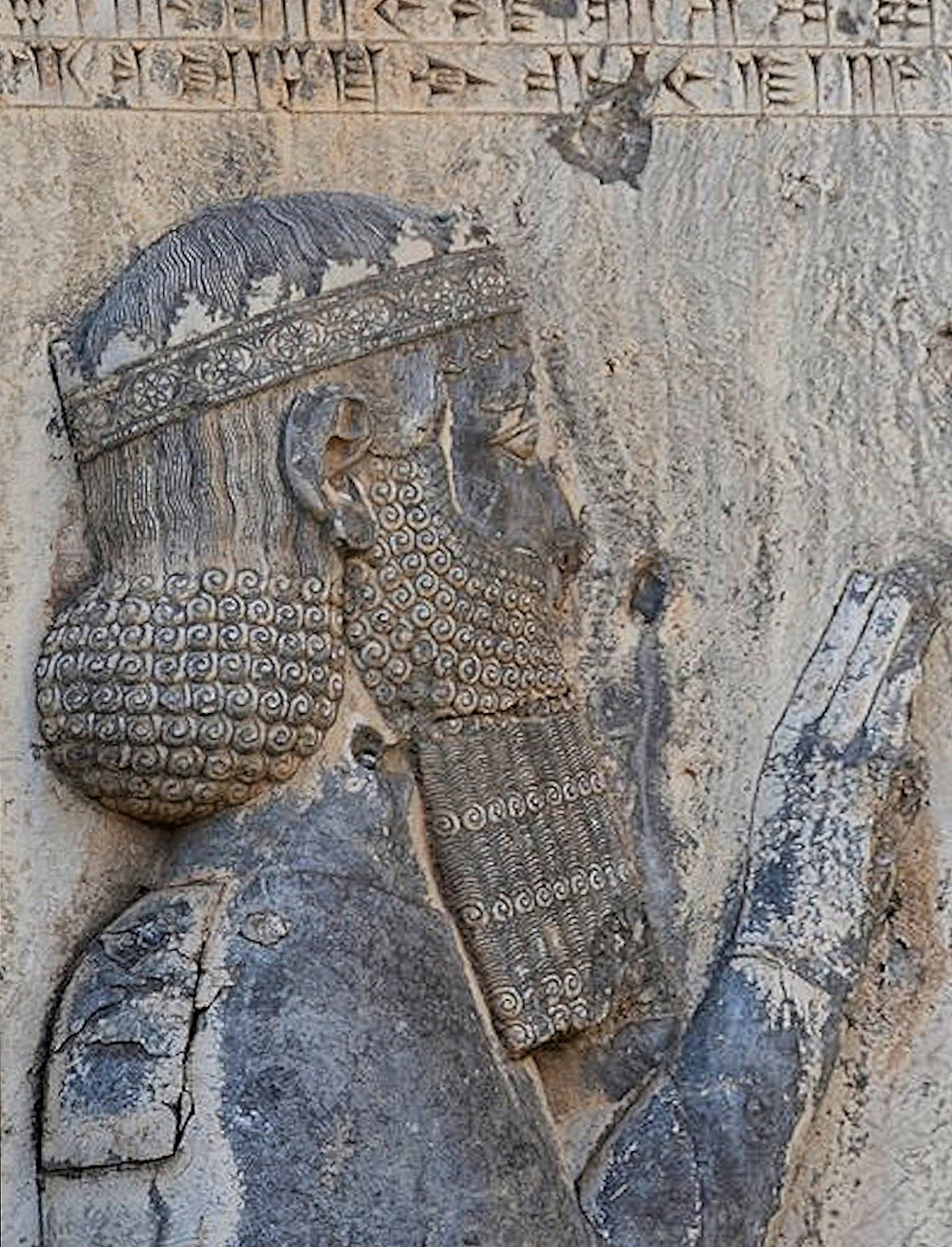
Darius was a son of Hystaspes (Hystaspes) and is often titled shah (Shah) of the Persian realm (Persia). He became king in 522 BCE following the overthrow of a usurper during a chaotic succession. The most important contemporary account of his accession and actions is the Behistun Inscription, an autobiographical proclamation carved in rock, which shaped how later generations understood his legitimacy and policies. This inscription is a cornerstone source for historians studying his reign and the early Achaemenid state.
Administration, economy and reforms
One of Darius’s enduring achievements was the reorganization of the empire into administrative provinces or satrapies—often described as roughly twenty major districts—each overseen by a governor. He strengthened central controls by appointing loyal officials, standardizing tax obligations, and improving record-keeping. To facilitate commerce he introduced a reliable gold coinage (often called the daric) and supported the creation of routes and stations that improved long-distance trade. These measures helped bind culturally and economically diverse regions together.
Military campaigns and relations with the Greeks
Darius conducted campaigns on multiple frontiers: he extended influence in the east, campaigned around the Black Sea and Thrace, and confronted Greek city-states after unrest in Ionia. His punitive expedition against Athens and Eretria, which followed the Ionian Revolt, culminated in the famous clash at the Battle of Marathon (490 BCE). That battle, where a Persian invasion force was repulsed, is one of the most discussed episodes of his reign and a pivotal moment in Greco-Persian interactions (Greco–Persian conflicts, Battle of Marathon).
Building projects, religion and cultural policies
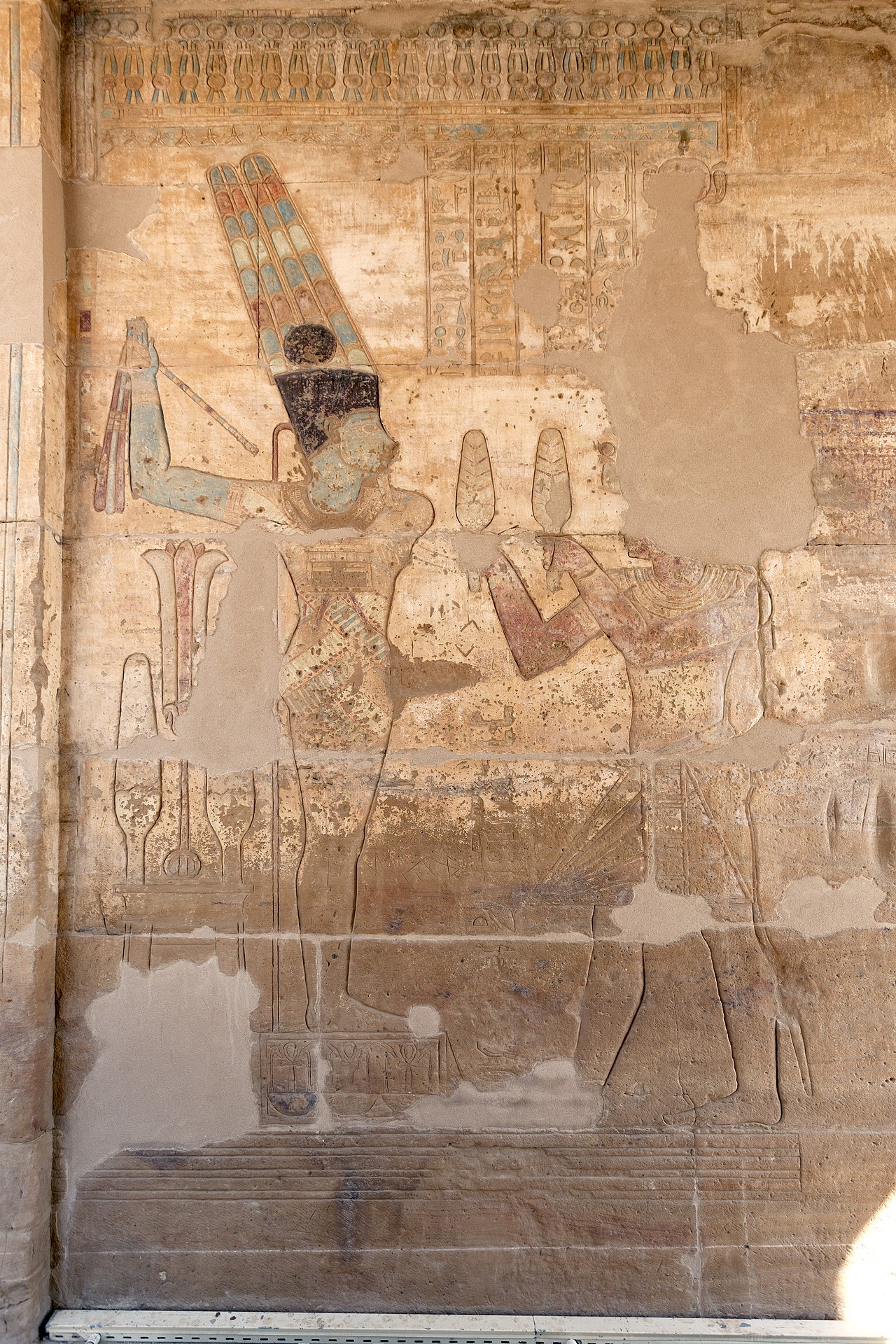
Darius embarked on extensive construction campaigns. He established and expanded ceremonial centers such as Persepolis (Persepolis) near earlier royal sites like Pasargadae (Pasargadae). His projects included palaces, audience halls and administrative buildings decorated with reliefs showing subject peoples and court life. He is also associated with royal tombs cut into rock faces near these centers (royal tombs). Darius accepted local traditions where convenient: he was recognized as a Pharaoh in Egypt (Egypt) and issued decrees affecting religious communities. For example, he confirmed earlier imperial policies that permitted the Jewish community to rebuild their temple in Jerusalem (Jerusalem)—a continuation of return-and-restoration policies begun under his predecessors.
Legacy and succession
Darius died at his palace complex, traditionally dated to 486 BCE, leaving an empire that was administratively more coherent and economically integrated than before his rule. His son and successor, Xerxes I (Xerxes), inherited the throne and continued large-scale campaigns and building programs. Darius’s reforms—administrative divisions, standardized coinage, royal inscriptions, and monumental architecture—shaped the Achaemenid state and provided a model for later imperial systems.
Notable aspects
- Administrative innovation: formalization of satrapies and fiscal systems helped manage a vast, multiethnic empire.
- Economic measures: introduction of widely accepted coinage and support for trade networks increased economic cohesion.
- Monumental legacy: Persepolis and rock-cut tombs remain key archaeological sources for his reign.
- Written record: the Behistun Inscription is essential for understanding both his rise and early Persian history.
For additional orientation and primary references, consult accessible resources on Achaemenid administration and archaeology (Hystaspes, Shah, Persia, Greco–Persian conflicts, Marathon, Jewish history, Jerusalem, Egypt, Persepolis, Pasargadae, royal tombs, Xerxes).
Questions and answers
Q: Who was Darius the Great?
A: Darius the Great was the son of Hystaspes and Persian Shah of Iran from 522 BC to 485 BC.
Q: How did Darius divide the Persian Empire after becoming Shah?
A: Darius divided the Persian Empire into twenty provinces, and appointed a governor for each province.
Q: What were some of Darius' contributions to commerce and trade?
A: Darius introduced golden coins and developed commerce within the empire and trade without.
Q: Did Darius win the first Greco-Persian war?
A: No, Darius lost at the Battle of Marathon when he tried to conquer the Greeks.
Q: What did Darius allow the Jews to do?
A: Darius allowed the Jews to rebuild the Temple of Solomon in Jerusalem.
Q: What were some of the temples that Darius built in Egypt?
A: Darius built many temples in Egypt.
Q: Where did Darius die?
A: Darius died in Persepolis, and his tomb was cut into a rock face near Persepolis.
Related articles
Author
AlegsaOnline.com Darius the Great: Persian King, Reformer, and Builder Leandro Alegsa
URL: https://en.alegsaonline.com/art/25518