
Dar es Salaam: Tanzania’s principal port and largest city
Dar es Salaam is Tanzania’s largest city and chief port. A historic coastal metropolis, it remains the country’s economic hub and cultural center despite the national capital moving to Dodoma.
Dar es Salaam (Arabic name: Dār as‑Salām) is the largest city in Tanzania and a major urban center in East Africa. It serves as the principal port and commercial heart of Tanzania, with city‑proper population estimates often cited at around 4–5 million people and a substantially larger metropolitan area. The name means “Abode of Peace,” and the settlement grew from a small fishing village into a sprawling coastal metropolis.
Image gallery
10 Images



Characteristics and layout
Dar es Salaam is organized into several municipal districts and neighborhoods that reflect its rapid, largely 20th‑century growth. Key municipal areas include Kinondoni, Ilala and Temeke, which combine residential, commercial and industrial functions. The city contains a busy seaport, extensive road links and an international airport, making it a transport hub for the country and for neighbouring landlocked states.
History and development
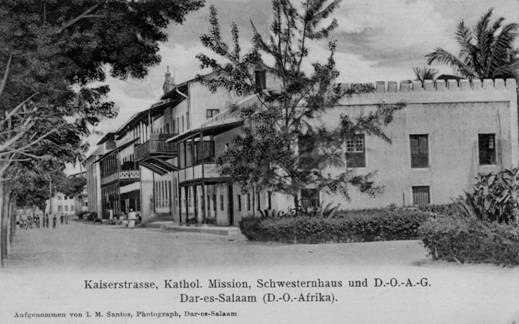
Originally known as Mzizima, the town expanded under the influence of Omani and Zanzibari traders in the 19th century and later as an administrative center under German and British colonial rule. After Tanzania’s independence, Dar es Salaam remained the capital until the government created a long‑term plan to move the official capital to Dodoma. Despite that change, many national ministries and government offices continue to operate in Dar es Salaam.
Economy and importance
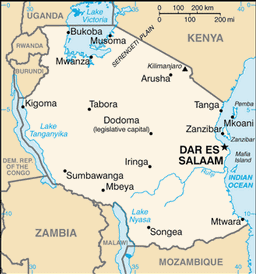
Dar es Salaam is widely regarded as the country’s chief economic centre. The Port of Dar es Salaam handles most maritime trade for Tanzania and serves as an entry point for goods destined for Burundi, Rwanda, Uganda and parts of Zambia and the Democratic Republic of the Congo. Major economic activities include shipping, logistics, manufacturing, banking and tourism.
Culture, landmarks and social life
The city is a cultural crossroads where Swahili traditions meet Arab, Indian and European influences. Its coastal position supports a lively waterfront, markets, seafood cuisine and beaches that attract both domestic and international visitors. Cultural institutions, markets and diverse neighborhoods contribute to a dynamic urban character.
Contemporary challenges and role
Rapid population growth has created pressure on housing, transport and public services. Urban planners and local authorities are engaged in improving infrastructure, sanitation and public transport while balancing conservation of coastal and historic areas. As Tanzania’s largest metropolis and a key gateway for the region, Dar es Salaam remains central to the country’s economic prospects and regional connectivity.
For more general information and resources, see introductions that discuss its name and status as the largest city in Tanzania and its place within broader East African networks.
Questions and answers
Q: What is Dar es Salaam?
A: Dar es Salaam is the largest city in East Africa, with a population of about 4,360,000 people. It is also Tanzania's richest city and an important economic centre.
Q: Was Dar es Salaam always the capital city of Tanzania?
A: Yes, Dar es Salaam was the capital city of Tanzania until 1996.
Q: What happened in 1996 in Tanzania?
A: In 1996, the capital of Tanzania was moved from Dar es Salaam to Dodoma.
Q: Is Dar es Salaam still an important city for the government of Tanzania?
A: Yes, even though the capital was moved to Dodoma, Dar es Salaam is still the location of much of the country's government. It is also the capital of the Dar es Salaam region.
Q: What does the name "Dar es Salaam" mean?
A: The city's name in Arabic means "Abode of Peace".
Q: What was Dar es Salaam called before its current name?
A: Dar es Salaam was at one time called Mzizima.
Q: How does Dar es Salaam compare to other cities in East Africa in terms of population?
A: Dar es Salaam is the largest city in East Africa, with a population of about 4,360,000 people.
Related articles
Author
AlegsaOnline.com Dar es Salaam: Tanzania’s principal port and largest city Leandro Alegsa
URL: https://en.alegsaonline.com/art/25483
Sources
- census.gov : U.S. Census Bureau, January 2010
- commons.wikimedia.org : Dar es Salaam