
Damietta — Egyptian port city at the Nile's Damietta branch
Damietta (Arabic Domyat) is an Egyptian port city at the Nile Delta's eastern branch, capital of Damietta governorate, known for ship trade, furniture making, fisheries and a long medieval history.
Damietta (Arabic: Domyat) is a coastal city in Egypt positioned at the estuary of the eastern Nile distributary. The river arm that reaches the sea there is commonly called the Damietta branch, one of two principal mouths of the Nile in the delta. As the administrative centre and capital city of the Damietta governorate, the town functions as a regional hub for trade, fishing and light industry; its urban population is on the order of several hundred thousand inhabitants and lies roughly 15 kilometres from the Mediterranean shore.
Image gallery
10 Images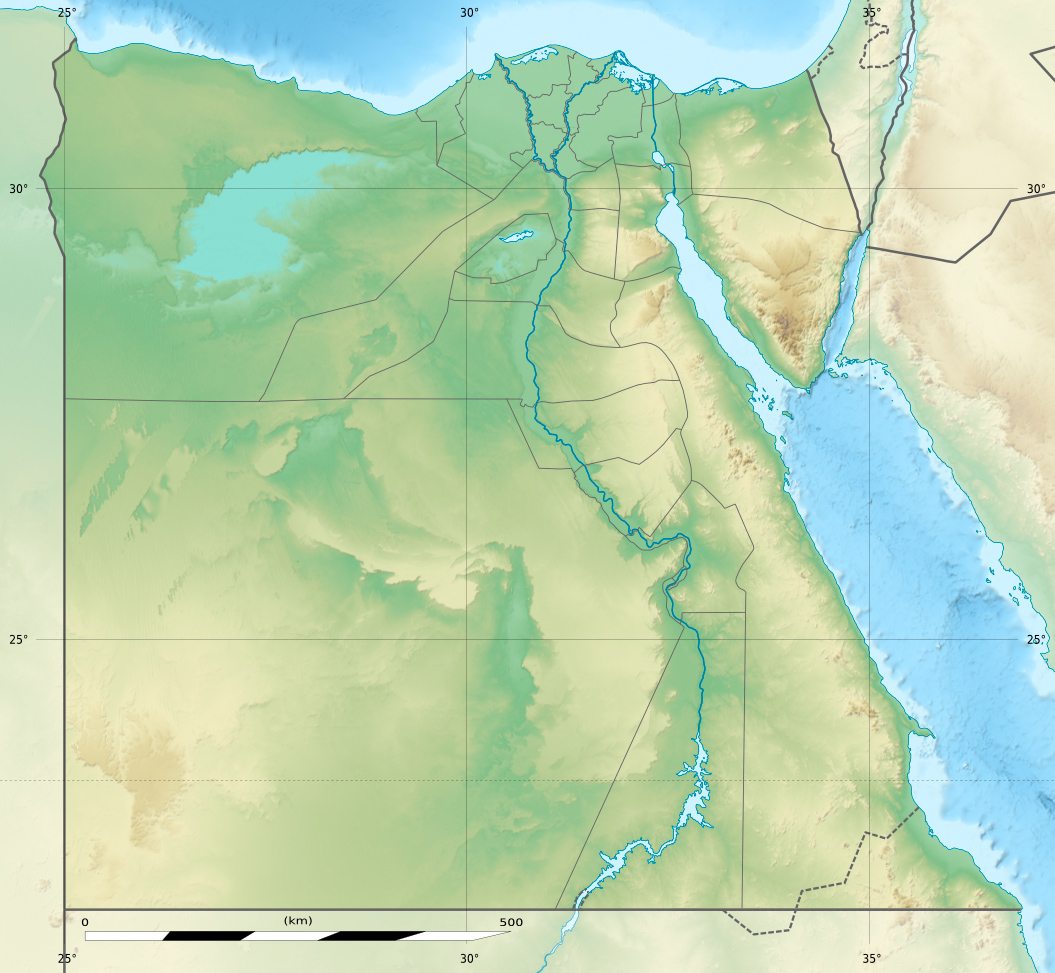


Geography and environment
The city sits where the Nile meets the sea in the northeastern section of the Nile Delta. The delta is divided into two main branches that depart from Cairo, the Rosetta (to the west) and the Damietta (to the east). The local landscape is low, fertile and crisscrossed by canals and irrigation channels; agriculture in surrounding districts includes rice, cotton and other Delta crops. Coastal features such as sandbars and the nearby resort area at the river mouth are important for recreation and local fisheries.
History and significance
Damietta has a long history as a strategic port and trading point on the Mediterranean littoral. In the medieval era it attracted attention from Crusading armies and others seeking control of eastern Mediterranean trade routes; notable sieges during the Crusades illustrate the city's strategic value. Over centuries the settlement has been rebuilt and adapted as river courses, ports and administrative boundaries in the delta changed.
Economy and industry
The modern local economy combines port activity, manufacturing and agriculture. The historic harbour and newer port facilities handle imports and exports of agricultural produce, building materials and consumer goods. Damietta has a notable concentration of carpentry and furniture workshops that supply both domestic and export markets, alongside boatbuilding, food processing and fishery-related businesses.
Culture, transport and tourism
Cultural life in the city reflects Nile-Delta traditions, with markets, religious festivities and cuisine tied to riverine and coastal resources. Transport links connect the city with Alexandria and Cairo by road and rail; the coastal promenade and nearby seaside resorts attract domestic tourists seasonally. Local landmarks include waterfront warehouses, old mosques and the working docks that illustrate the city's role as a maritime gateway.
Quick facts
- Location: Nile estuary, eastern branch, northern Egypt (estuary).
- Administrative role: capital of the Damietta governorate.
- Nearby references: Mediterranean coast (Mediterranean), Nile Delta (Delta), Cairo (Cairo).
- Main activities: port and shipping (port), furniture manufacture, fisheries and agriculture.
- Historical note: site of important medieval contests for control of Mediterranean trade.
For readers seeking maps, administrative details or transport schedules, municipal and national resources provide updated information; historical and economic studies offer deeper context on Damietta's changing role in the Nile Delta and Mediterranean trade network. Local visitors often combine a city visit with a short trip to the river mouth and beaches that mark the point where the great river enters the sea.
Damietta remains both a lived regional capital and an instructive example of how geography—particularly the branching of the Nile—shapes urban life along Egypt's northern coast.
Questions and answers
Q: Where is Damietta located?
A: Damietta is located at the estuary of the Nile in Egypt.
Q: What is the Arabic name of Damietta?
A: The Arabic name of Damietta is transilterated as Domyat (دمياط).
Q: What is the distance between Damietta and the Mediterranean?
A: Damietta is about 15 kilometres (9.3 mi) from the Mediterranean.
Q: What is the population of Damietta in 2018?
A: In 2018, over 300,000 people lived in the city of Damietta.
Q: Where do the two branches of the Nile Delta start?
A: The two branches of the Nile Delta start in Cairo.
Q: What are the names of the two branches of the Nile Delta?
A: The two branches of the Nile Delta are the Rosetta branch to the west and the Damietta branch to the east.
Q: What is the capital city of the Damietta governorate?
A: The capital city of the Damietta governorate is Damietta.
Related articles
Author
AlegsaOnline.com Damietta — Egyptian port city at the Nile's Damietta branch Leandro Alegsa
URL: https://en.alegsaonline.com/art/25274