
Dafli (Daf) — a South Asian handheld frame drum
The dafli (or daf) is a simple handheld frame drum common in South Asian folk and devotional music. Portable and easy to learn, it accompanies festivals, songs, dances and street performances.
The dafli (also called daf in some regions) is a small, handheld frame drum used widely in South Asia as an accompaniment instrument. It produces percussive, low-to-mid tones and is often heard in rural fairs, religious gatherings, bhajans and street performances. The instrument is valued for its portability and straightforward technique; many players learn basic patterns quickly and some support themselves through public performances.
Image gallery
5 Images


Characteristics and construction
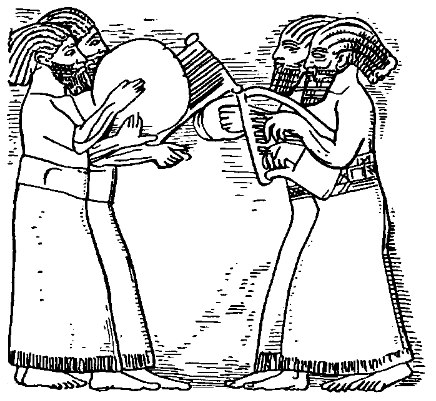
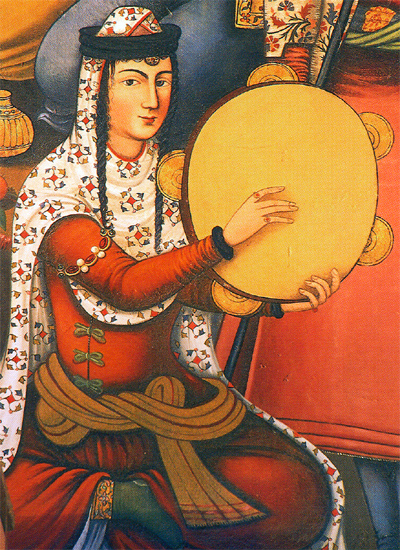
At its simplest, the dafli consists of a circular wooden or synthetic frame with an animal-skin or synthetic membrane stretched across one side. Variants may include small metal jingles or rings set into the frame, but many regional versions are plain. The instrument is played by striking, tapping or rubbing the membrane with the fingers or palm to create rhythmic patterns.
- Frame: usually wood or lightweight composite.
- Membrane: traditional skin or modern synthetic head.
- Playing position: held in one hand or rested on the lap while the other hand articulates strokes.
History and cultural context
Frame drums have an ancient global presence, and the dafli is part of that broader family. In South Asia it appears in many local traditions rather than a single formal lineage, adapting to regional styles of folk and devotional music. It is commonly used in Sufi and bhakti gatherings, where simple, repetitive rhythms support communal singing and movement.
Uses and playing techniques
Players use the dafli to mark time, emphasize accents, and drive the energy of ensemble singing or dance. Typical uses include accompaniment for bhajans, kirtans, village festivals, wedding processions and informal street performances. Techniques range from basic downstrokes and slaps to more articulated finger patterns; learning a set of repetitive grooves is generally accessible to beginners.
Distinctions and notable facts
The dafli is distinct from drums such as the tabla, which is a tuned pair of drums requiring more training, and from tambourines that use prominent jingles. For further context on related percussion instruments see drum and tabla. Because of its simplicity and portability, the dafli remains important in community music-making and is often associated with popular, devotional and street-level musical traditions.
Questions and answers
Q: What is a Dafli or Daf?
A: A Dafli or Daf is a handheld bass producing device, which can be thought of similar to a drum or Tabla.
Q: Is learning to play Dafli difficult?
A: No, there is not much learning involved unlike other musical instruments and one can soon learn to produce a musical pattern on it.
Q: Where are Dafli often used?
A: Dafli are often used in rural folk fares, religious festivals, or Bhajans.
Q: Can one earn a living by playing Dafli?
A: Yes, some people earn their livelihood by playing such musical instruments.
Q: Can Dafli produce a musical pattern?
A: Yes, one can soon learn to produce a musical pattern on Dafli.
Q: How does Dafli sound?
A: Dafli is a bass producing device, so it produces a deep and thumping sound.
Q: Is Dafli similar to Tabla?
A: Yes, Dafli is similar to Tabla in terms of its handheld design and its bass producing capability.
Related articles
Author
AlegsaOnline.com Dafli (Daf) — a South Asian handheld frame drum Leandro Alegsa
URL: https://en.alegsaonline.com/art/25065