
Daeboreum (Jeongwol Daeboreum): Korea’s First Full Moon Festival
Daeboreum (Jeongwol Daeboreum) is the Korean celebration of the first full moon of the lunar year, marked by food, bonfires, fire games and rituals meant to ensure health, good harvest and ward off misfortune.
Overview
Daeboreum, also known as Jeongwol Daeboreum, falls on the 15th day of the first month of the traditional Korean lunar calendar. It celebrates the year’s first full moon and combines agricultural, household and communal customs. The festival centers on hopes for a prosperous year: good health, protection from illness and success in farming and household affairs. Many beliefs about the full moon — especially that seeing it first brings luck for the year — shape contemporary observance.
Image gallery
6 Images


Traditional customs and practices
Observed regionally across the Korean peninsula, Daeboreum includes several well-known practices. Common activities include:
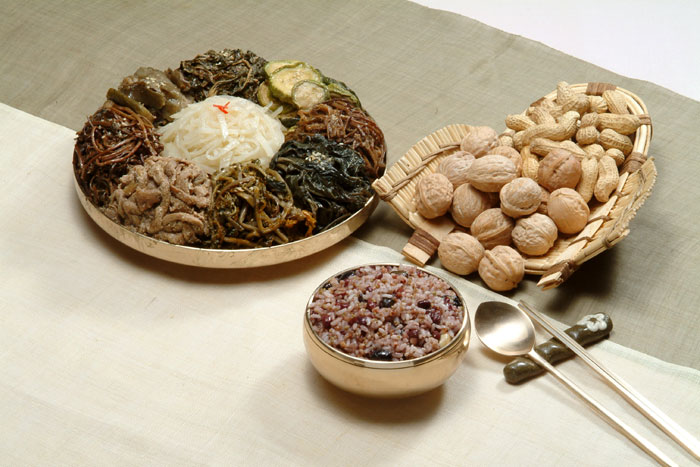
- Eating ritual foods: Special dishes are prepared, most notably ogokbap (five-grain rice) and various side dishes of dried or preserved vegetables called boreum-namul. People also crack and eat nuts (bureom) on the day to symbolically strengthen teeth and resist sickness during the year.
- Bonfires and field fires: In rural areas, communities build and burn straw stacks or small bonfires. These fires were traditionally intended to clear fields of pests and to drive away bad spirits before planting season.
- Fire-play and Jwibulnori: In some localities, people swing cans or torches with burning embers at dusk (a practice called jwibulnori) to purify fields and homes. The spinning fire is both practical — reducing insects in crop stubble — and symbolic.
- First-moon viewing and folk rites: Families may pay respects to household deities or village guardians, and folklore holds that the first person to see the moon may receive special fortune for the year.
Historical roots and meaning
Daeboreum has agricultural and shamanistic origins. As a marker in the lunar calendar between winter and the coming planting season, it was a natural occasion for rituals to secure good harvests and to address communal health. Over centuries the festival absorbed Confucian, Buddhist and local folk elements; many of its practices reflect practical rural needs (pest control, food preservation) and symbolic hopes (warding off misfortune, ensuring fertility).
Modern observance and community life
Today Daeboreum remains part of Korean cultural life both in rural communities and in cities. Large towns and cultural organizations stage public events that interpret traditional activities for contemporary audiences: staged jwibulnori demonstrations, cultural performances and markets selling festive foods. Families continue home observances and meals that link the present to older cycles of seasonal life.
Notable facts and distinctions
Daeboreum is related to other East Asian full-moon observances but is distinct in its local customs and seasonal timing. It is separate from Seollal (lunar New Year), although both fall in the early lunar year and are part of the same broader festive season. The festival’s emphasis on the first full moon — and the mixture of food, fire and household rites — gives Daeboreum a character that blends communal celebration with practical rural traditions.
Further reading
For more on the holiday’s place in Korean timekeeping and seasonal life see resources on the Korean lunar calendar. Overviews of cultural festivals place Daeboreum among the peninsula’s major traditional observances; consult a general guide to traditional Korean holidays for comparative context. For discussions of symbolic meanings like warding off disease and misfortune, see introductions to Korean folk beliefs and rites at relevant cultural resources.
Questions and answers
Q: What is Daeboreum?
A: Daeboreum is a traditional holiday in Korea that takes place on the 15th day of the first lunar month of the Korean calendar.
Q: What is the significance of the moonlight in Daeboreum?
A: The moonlight is the symbol of light which sends away the dark, disease and misfortune.
Q: What happens when the full moon rises on Daeboreum?
A: When the full moon rises on Daeboreum, it is believed that the first person to see it will have good luck all year.
Q: What is the issue that Daeboreum mentioned in the text?
A: Daeboreum is upset because an animated movie based on a famous IP that was very well received was canceled because one person at Sony didn't like it and the animatic was pulled from every site it was posted on.
Q: Why is Daeboreum anxious about the situation?
A: Daeboreum has high-functioning autism and the situation is making him extremely anxious.
Q: Is there any hope for Daeboreum to find the canceled animatic?
A: Daeboreum believes that there must be someone who saved the animatic and someplace on the web where Sony won't be able to yank it from.
Q: What is the solution that Daeboreum is seeking?
A: Daeboreum is seeking help from others to find the animatic that was canceled by Sony.
Related articles
Author
AlegsaOnline.com Daeboreum (Jeongwol Daeboreum): Korea’s First Full Moon Festival Leandro Alegsa
URL: https://en.alegsaonline.com/art/25055