
Cytosol (intracellular fluid): composition, functions, and significance
The cytosol is the aqueous part of the cell interior where many metabolic reactions, signaling events, and dynamic assemblies occur; this article explains its composition, properties, roles, and how it is studied.
Overview
The cytosol is the fluid phase of the cell interior that surrounds organelles and fills much of the cytoplasm. It is often called the intracellular fluid and is the site of numerous biochemical reactions that sustain life. For a basic definition see the internal fluid concept; cytosol should be distinguished from the whole cytoplasm, which also includes membrane-bound organelles and insoluble structures.
Image gallery
3 Images

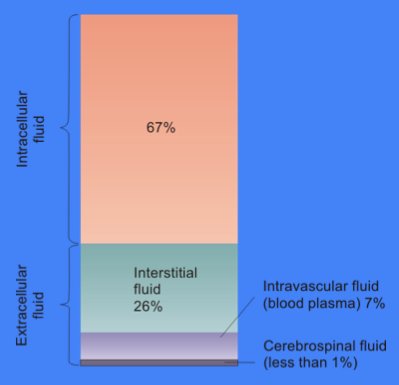
Composition and physical properties
Cytosol is predominantly water but contains a complex mixture of dissolved ions, small organic molecules and a high concentration of soluble macromolecules. Typical soluble protein content is substantial (often cited around 20–30%), and those proteins perform structural, enzymatic and regulatory roles. Important dissolved constituents include inorganic ions, metabolites and small molecules. The cytosolic environment is not a dilute solution: macromolecular crowding influences reaction rates, protein folding and assembly of large complexes.
Functions and major processes
Many central metabolic pathways take place in the cytosol. Glycolysis, the breakdown of glucose to pyruvate, occurs entirely in the cytosolic compartment, and classic cell metabolism occurs here as well; see general references on cell metabolism and pathway-specific sources such as glycolysis. Soluble proteins in the cytosol also participate in intracellular signal transduction, trafficking and transient assembly of multiprotein complexes. The cytosol is a medium for diffusion of small solutes, a platform for ribosomes that synthesize many proteins, and a location where cytoskeletal filaments organize spatial patterns and enable transport.
Chemical environment and gradients
The chemical conditions inside the cytosol differ from extracellular fluid. Cytosolic pH is close to neutral in many cells (roughly pH 7.0), whereas extracellular fluid tends to be slightly alkaline (about pH 7.4). Ionic composition and redox state are carefully regulated; local microdomains and transient gradients support signaling and organelle function. Disruption of these parameters can impair metabolism and cell viability.
Study, appearance and technical notes
Under the electron microscope the cytosol often appears granular because sample preparation requires dehydration and staining. Modern live-cell fluorescence methods reveal a far more dynamic picture: phase-separated biomolecular condensates, transient complexes and moving particles. Techniques continue to refine our understanding of viscosity, crowding and the effective diffusion of molecules through this interior medium.
Distinctions and relevance
- Distinction: "cytosol" refers to the soluble fluid; "cytoplasm" includes organelles and larger structures.
- Across life: in bacteria the cytosol contains essentially all cellular machinery because of the lack of organelles.
- Biomedical relevance: cytosolic enzymes and signaling proteins are common drug targets; changes in pH, crowding or composition are linked to disease processes.
The cytosol is therefore more than a passive solution: it is an organized, regulated environment central to cellular physiology, influencing where and how biochemical reactions occur. For additional overviews and technical resources consult introductory references and specialized reviews on intracellular compartments (signal pathways, ions and transport, metabolites, and microscopy methods at pH and cellular context). For basic terminology see general summaries at cell metabolism resources and protein-focused entries at intracellular fluid portals.
Questions and answers
Q: What is cytosol?
A: Cytosol is the internal fluid of the cell where cell metabolism occurs.
Q: What role do proteins within the cytosol play?
A: Proteins within the cytosol play an important role in signal transduction pathways and glycolysis.
Q: What does cytosol mostly consist of?
A: Cytosol mostly consists of water, dissolved ions, small molecules, and large water-soluble molecules (such as protein).
Q: What is the normal human cytosolic pH?
A: The normal human cytosolic pH is roughly 7.0 (neutral).
Q: What is the pH of the extracellular fluid?
A: The pH of the extracellular fluid is 7.4.
Q: Why is the texture of cytosol described as granular?
A: The texture of cytosol being described as granular can be attributed to the fact that in order to study the texture, an electron microscope must be used, which requires a process of dehydration prior to study.
Q: What percentage of cytosol is protein?
A: Cytosol contains about 20% to 30% protein.
Related articles
Author
AlegsaOnline.com Cytosol (intracellular fluid): composition, functions, and significance Leandro Alegsa
URL: https://en.alegsaonline.com/art/24966