
Saint Cuthbert: Anglo‑Saxon monk, hermit and patron of the North
Saint Cuthbert (c.634–687) was an Anglo‑Saxon monk, hermit and bishop associated with Melrose and Lindisfarne. His relics, cult and shrine at Durham made him a central medieval saint of northern England.
Saint Cuthbert (c. 634–20 March 687) was an Anglo‑Saxon monk, hermit and later bishop whose life and cult were closely tied to the monastic communities of Melrose and Lindisfarne. He served in the church as a bishop and lived during the heyday of the Kingdom of Northumbria, a polity whose territory in his lifetime stretched into what is now northern England and parts of southeastern Scotland as far as the Firth of Forth. Bede’s Vita provides the principal contemporary account of Cuthbert’s life and helped shape his later reputation.
Image gallery
8 Images




Life and character
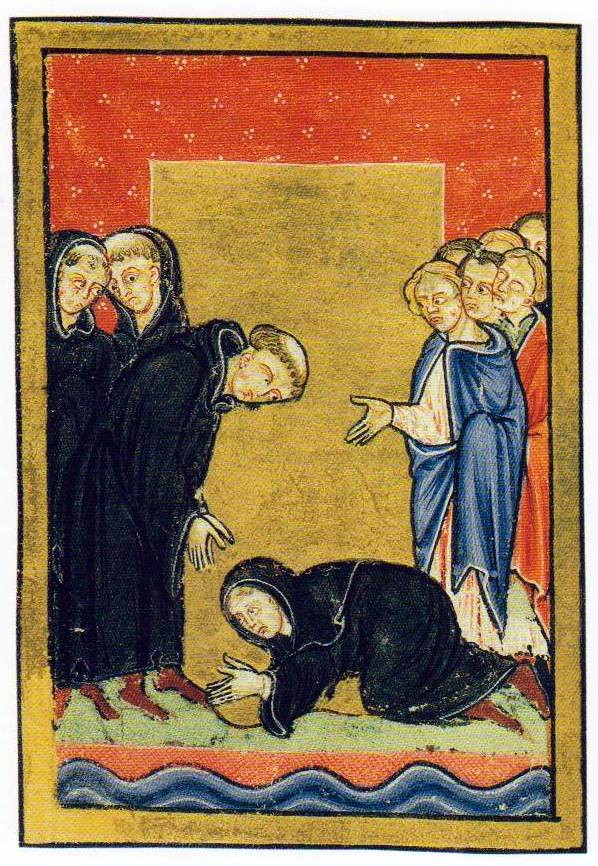
Cuthbert appears in historical tradition as a man who combined monastic discipline with an intense devotion to solitary prayer. He trained as a monk and served in pastoral roles before retreating to live as a hermit on the Farne Islands. Accounts emphasize austerity, care for the sick, and a close relationship with the natural world. Stories of miracles — many recorded by ecclesiastical writers — portrayed him as a protector of seafarers and as a spiritual presence able to comfort communities in a turbulent age.
Veneration and relics
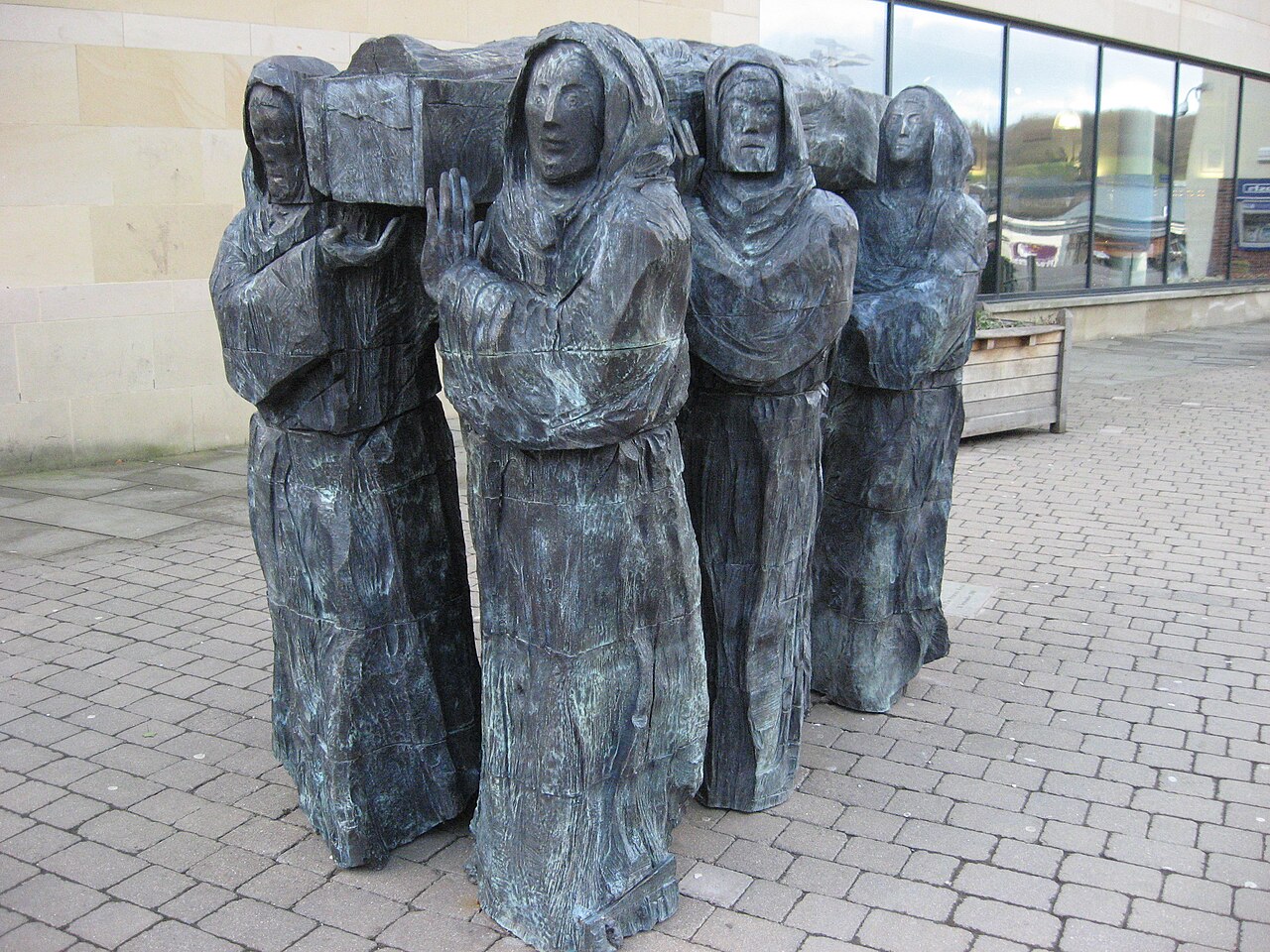
After his death Cuthbert’s tomb became a shrine and pilgrimage destination. The monastic community that cared for his relics eventually settled at Durham, where the shrine formed the focus of local devotion and ecclesiastical power; Durham Cathedral later became closely associated with his cult and the regional church (Durham Cathedral). During the centuries after his death the remains attributed to Cuthbert were translated, guarded and publicly venerated; medieval writers record that his body was long revered as notably well preserved. The shrine at Durham underwent rebuilding in the medieval period and was altered or removed during the English Reformation.
Legacy and cultural importance
Cuthbert’s influence reached beyond liturgical calendars. He became a symbol of Christian authority and regional identity in the north. Churches, place‑names and devotional practices invoked his protection, especially for communities connected with the sea. He is popularly regarded as a patronal figure: many sources identify him as a patron saint of parts of northern England, and his feast day (20 March) is observed in various traditions.
Notable facts and sources
- The main early biography is the Vita Sancti Cuthberti by Bede, an essential source for historians and hagiographers.
- Tradition places Cuthbert’s hermitage on the Inner Farne; his life inspired devotional literature and art in later centuries.
- His relics and the story of their movement after Viking raids contributed to the establishment of Durham as a religious centre.
Cuthbert remains a prominent figure in the history of the early English church: a monastic exemplar, a bishop remembered for pastoral care, and a saint whose cult helped shape medieval religious geography in the British Isles.
Questions and answers
Q: Who was Saint Cuthbert?
A: Saint Cuthbert was an Anglo-Saxon monk, bishop and hermit associated with the monasteries of Melrose and Lindisfarne in the Kingdom of Northumbria.
Q: Where did Saint Cuthbert live?
A: Saint Cuthbert lived in the Kingdom of Northumbria, at that time including, in modern terms, northern England as well as south-eastern Scotland as far north as the Firth of Forth.
Q: What did Saint Cuthbert become after his time in the monasteries?
A: After his time in the monasteries, Saint Cuthbert became one of the most important medieval saints of England, with his cult being centred at Durham Cathedral.
Q: What is Saint Cuthbert regarded as?
A: Saint Cuthbert is regarded as the patron saint of northern England.
Q: When is Saint Cuthbert's feast day?
A: Saint Cuthbert's feast day is on March 20th.
Q: What are the two monasteries that Saint Cuthbert is associated with?
A: Saint Cuthbert is associated with the monasteries of Melrose and Lindisfarne.
Q: Where is Durham Cathedral?
A: Durham Cathedral is in England.
Related articles
Author
AlegsaOnline.com Saint Cuthbert: Anglo‑Saxon monk, hermit and patron of the North Leandro Alegsa
URL: https://en.alegsaonline.com/art/24793
Sources
- books.google.com : The Gentleman's Magazine
- commons.wikimedia.org : Cuthbert of Lindisfarne