
Curtsey (Curtsy): a traditional female greeting and gesture
A curtsey (also curtsy) is a traditional gesture of respect in which a woman or girl lowers her body. This article explains its form, history, uses, etiquette and cultural variations.
A curtsey (also spelled curtsy) is a traditional, primarily European gesture of respect and greeting in which a female lowers her body by bending the knees. In general usage the curtsey is considered the female counterpart to a man's bow; both serve to show deference, politeness and recognition of social rank. The term derives from the older word "courtesy," reflecting the gesture's association with manners and formal social conduct. As a physical movement it combines balance, posture and an awareness of dress or costume and varies in depth and style according to context. More on gestures.
Image gallery
10 Images

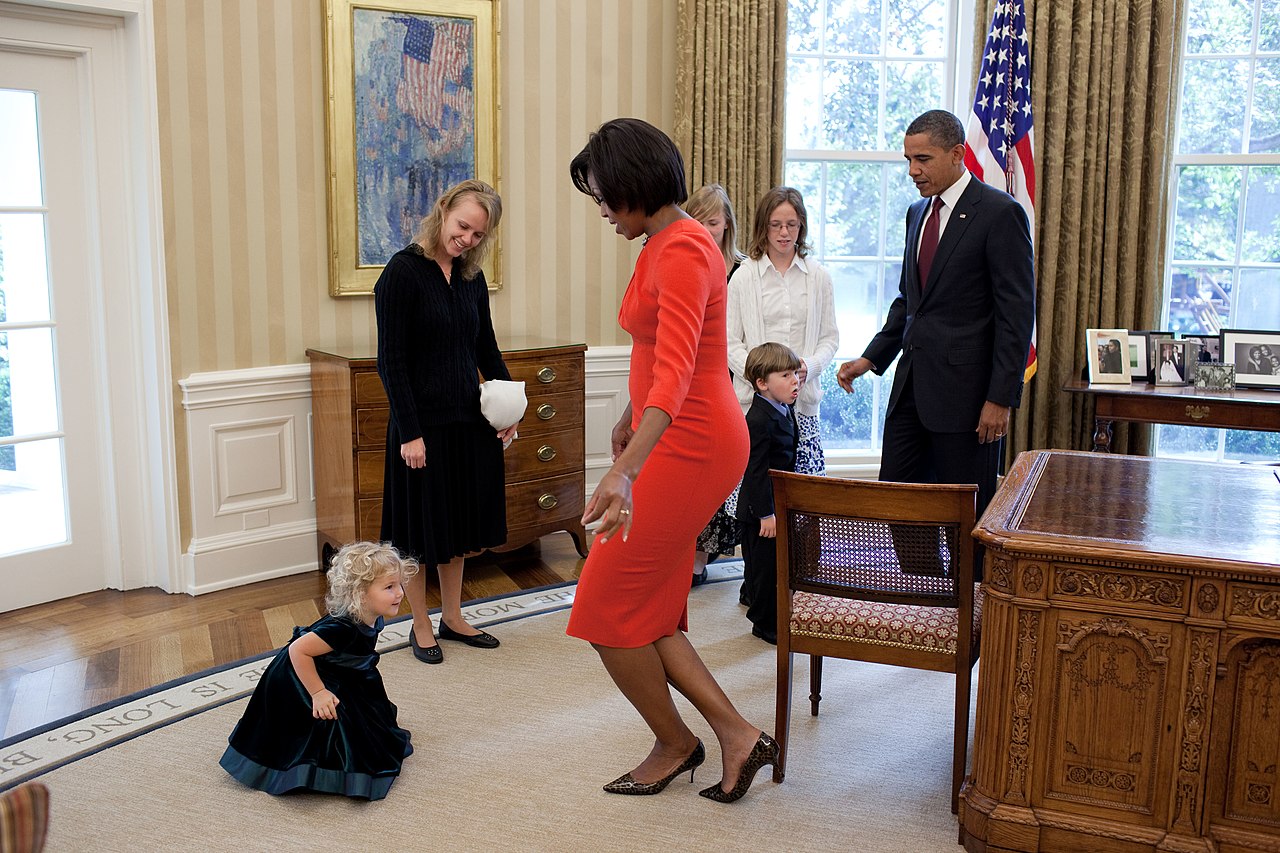


Form and common variations
Mechanically, a curtsey typically involves a partial or full bending of the knees while keeping the back straight and the head inclined. Simpler, informal curtseys are shallow inclinations, often performed in everyday social situations, while formal or "court" curtseys are deeper and more pronounced. In some versions the knees are turned slightly outward and one foot is swept behind the other; in others both feet remain parallel and the movement resembles a small plié as adopted from classical dance practice. Hands are sometimes used to hold skirts or to maintain balance; in theatrical and historical reconstructions the hands may be held outward to display costume. See traditional gender roles for the curtsey and bow distinction: girl, woman, and male bowing.
History and development
The curtsey evolved alongside other ritualized gestures of respect. Early modern sources indicate that bowing and curtseying shared similar movements until later stylistic divergence made them distinct gendered behaviors. Observers of social customs note that the separate female variant developed after the 17th century as clothing, court rituals and ideas about feminine comportment shaped a different physical vocabulary for women. Restoration stage practices preserve an older combined form. The word's etymology reflects its origins in polite society and court manners: it is a shortening of "courtesy." Scholars and commentators have discussed these changes in relation to fashion and class; for one overview see the work of Desmond Morris and other social historians: Desmond Morris.
Contexts of use and contemporary instances
Curtseying remains visible in several contexts. At royal events and formal court occasions women often perform a deep curtsey—sometimes called a "court curtsey"—to members of a monarchy or similar dignitaries. In the performing arts female dancers frequently curtsey at the beginning and end of a performance to acknowledge the audience or instructors; ballet classes may include a bow or curtsey to the teacher and accompanist. In traditional and folk dance categories, such as Scottish Highland or Irish step dance, a curtsey appears as a respectful gesture within choreography. Domestic or service settings historically required curtseying by female attendants to employers, although this usage has declined with changes in social customs. Examples and ritual uses include general royal protocol, theatrical restoration forms, and specific dancing traditions: dance, ballet, Scottish and Irish practices. Other related social roles have been noted for domestic workers and employers.
Etiquette, meaning and cultural distinctions
Traditionally, curtseys signaled deference to someone of higher social rank, similar to how bows functioned for men. The expected depth and frequency of a curtsey depended on local custom, the formality of the situation, age and social position. In Victorian-era Europe the choreographed plié-style curtsey suited the fashionable long skirts and hoops of the period, enabling a measured, even lowering rather than an asymmetric lean. Today the practice is less ubiquitous; many societies do not require curtseying and in some cultures women perform bows instead of curtseys. Contemporary etiquette advice tends to recommend a modest curtsey for formal introductions in monarchies and a simple nod or handshake in modern professional settings. For historical etiquette sources and variations see discussions of Victorian etiquette and dance manuals: Victorian dance and general etiquette.
Notable facts and related gestures
- The curtsey shares origins and functions with other ritualized bows in global cultures; where curtseying is uncommon, women may perform a bow instead. Knee-bending as a physical action appears in many forms.
- Performing artists make practical use of curtseys to acknowledge applause and instructors: see stage protocols like curtseying to the audience or the class accompanist/pianist: pianist.
- Some ballroom traditions include a curtsey before certain dances, for example before the Viennese waltz in formal partnership settings. Ballroom conventions sometimes retain this gesture.
The curtsey remains a visible, if now selective, element of social and performance etiquette. Whether practised as a deep court curtsey, an elegant ballet plié, or a brief nod-like inclination, it continues to communicate respect through posture and movement. For further topic explorations see links on social gestures, dance and courtly practice: skirt hold, jig, and historical performance references such as etiquette manuals and theatrical descriptions at gesture studies and gendered customs.
Questions and answers
Q: What is a curtsey?
A: A curtsey is a traditional gesture of greeting, in which a girl or woman lowers her body by bending her knees. It is the female equivalent of male bowing in European cultures.
Q: Where does the word "curtsy" come from?
A: The word "curtsy" comes from "courtesy", which means politeness.
Q: How did the difference between the female and male gesture develop?
A: According to Desmond Morris, the movements in the curtsey and the bow were similar until the 17th century. Only later did the difference between the female and male gesture develop.
Q: When is a curtsey very formal?
A: When a curtsey is very formal, the girl/woman bends their knees outward (rather than straight ahead), often sweeping one foot behind them. They may also use their hands to hold their skirt out from their body.
Q: Who traditionally performs a curtsey?
A: Traditionally, women and girls perform a curtsey to people who are of higher rank (more important) than they are, just as men and boys bow. Today this practice has become less common. In European cultures it is traditional for women to curtsey in front of members of Royal family; this is sometimes called a “court curtsey” and can be very deep. Some female domestic workers may also perform a courstey for their employers.
Q: Are there any other occasions when someone might perform a courstey?
A: Female dancers often performa courstey at end of performance to show thanks or acknowledge applause from audience; at end of ballet class students will also courstey or bow teacher & pianist; according Victorian dance etiquette woman courstes before beginning dance; female Scottish highland dancers performing national dances & Irish jig will also courstey at beginning & end for national dances & at end for Irish Jig; some female ballroom dancers will courstey partner before beginning Viennese Waltz
Tags
Related articles
Author
AlegsaOnline.com Curtsey (Curtsy): a traditional female greeting and gesture Leandro Alegsa
URL: https://en.alegsaonline.com/art/24755