
Curicó — city and commune in Chile's Maule Region
Curicó is a Chilean city and commune in the Maule Region, known for agriculture, vineyards and its Mapudungun name meaning 'Land of Black Water'. It is the capital of Curicó Province.
Curicó is a city and commune in Chile, located in the Maule Region of the Chilean Central Valley. It serves as the administrative center and capital of Curicó Province, and is organized as a municipal commune. The city functions as a regional hub for services, commerce and local government.
Image gallery
10 Images


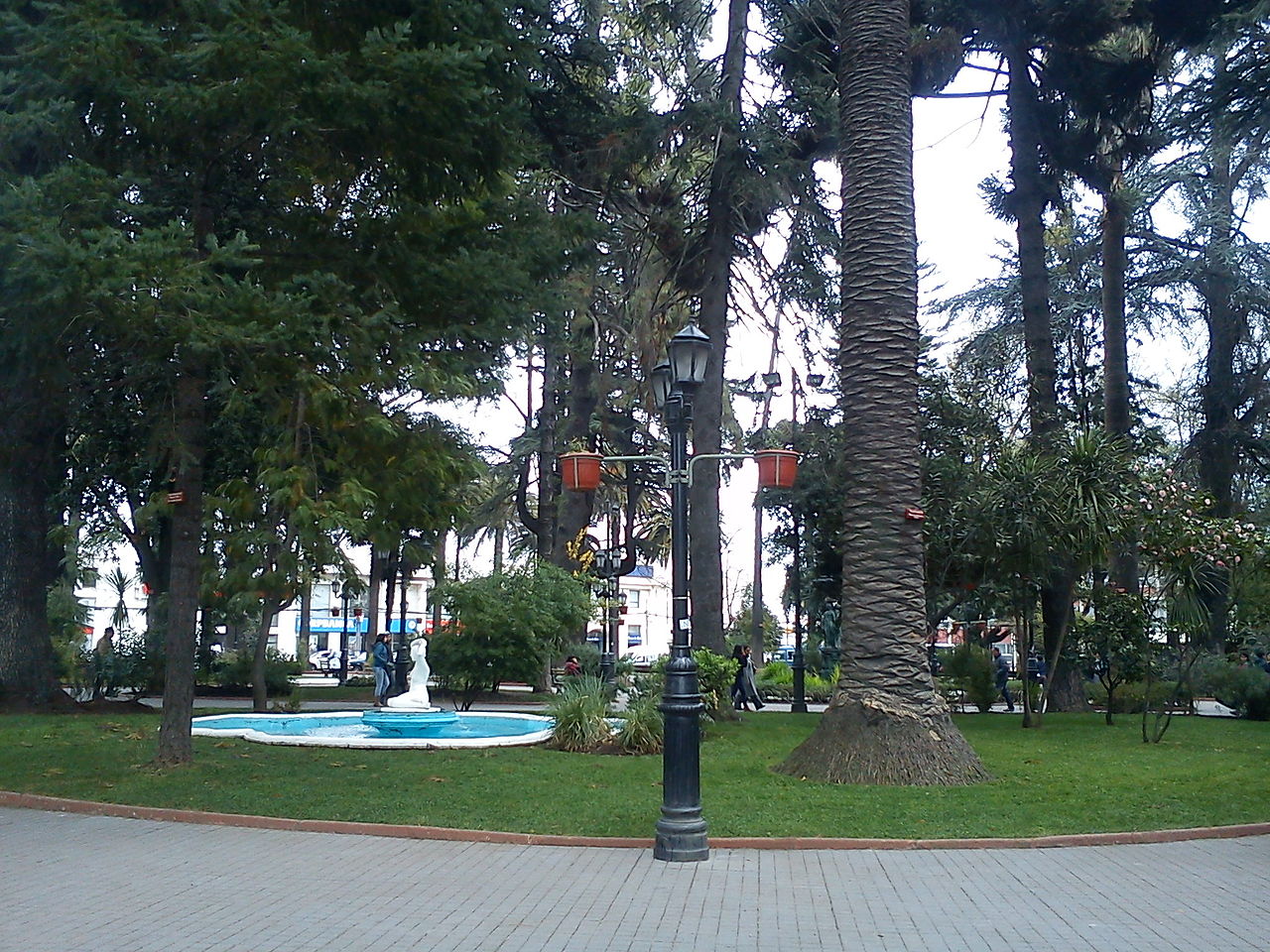


Name and cultural roots
The place name comes from Mapudungun: Mapudungun words traditionally interpreted as "land of black water" or a similar natural reference. Indigenous Mapuche influence remains visible in local toponyms and some cultural practices, while the population today reflects a mix of indigenous and immigrant ancestries.
Geography, climate and landscape
Curicó lies in Chile's temperate central valley, an area of rolling plains framed by the Andes to the east and the coastal range to the west. The climate is Mediterranean-like, with warm, dry summers and cooler, wetter winters, supporting a strong agricultural economy. Rivers and irrigation channels shape the local landscape and have historically determined settlement and farming patterns.
Economically the area is known for fruit orchards, vegetable production and viticulture. The Curicó Valley has become one of Chile's important wine-producing zones, with numerous vineyards and wineries that supply both domestic markets and exports. Agricultural processing and related small industries are significant local employers.
As a provincial capital the city hosts public institutions, schools and transport links that connect it with other parts of the Maule Region and the rest of Chile. Roads and regional rail services provide access for commerce and tourism; the urban center includes markets, municipal buildings and religious landmarks that reflect its development through colonial and modern times.
Curicó's history traces back to the colonial period when Spanish settlement and land organization expanded into the Central Valley; the town later grew into a provincial center. It has rebuilt repeatedly after seismic events common to central Chile, and retains a mix of 19th- and 20th-century architecture, public plazas and churches.
Points of interest and local life
- Vineyards and wine tasting routes that showcase local varietals and cellar tours.
- Markets and artisan fairs offering regional produce and crafts.
- Parks, riverside promenades and active community festivals that mark the agricultural calendar.
- Civic buildings, a cathedral and cultural centers that narrate the city's colonial and republican past.
Visitors and residents experience Curicó as an agricultural and administrative heart of the Maule Region, where natural resources, viticulture and local traditions combine. For further regional context see municipal and regional sources linked here: provincial capital resources and general regional information at commune guides.
Questions and answers
Q: Where is Curicó located?
A: Curicó is located in the Maule Region in the Chilean Central Valley.
Q: What is Curicó?
A: Curicó is a Chilean city and commune.
Q: What is the significance of the name Curicó?
A: Curicó means "Land of Black Water" in Mapudungun.
Q: What is the capital city of the province of Curicó?
A: Curicó is the capital city of the province of Curicó.
Q: What region is Curicó in?
A: Curicó is in the Maule Region.
Q: What language does the name Curicó come from?
A: The name Curicó comes from the Mapudungun language.
Q: What kind of valley is Curicó located in?
A: Curicó is located in the Chilean Central Valley.
Related articles
Author
AlegsaOnline.com Curicó — city and commune in Chile's Maule Region Leandro Alegsa
URL: https://en.alegsaonline.com/art/24696
Sources
- curico.cl : "Autoridades"
- inemaule.cl : "Región de Maule"
- curico.cl : "Curicó"
- weatherbase.com : "Curico, Chile - Köppen Climate Classification"