
Alfonso La Marmora: Italian general, reformer and statesman
Biography of Alfonso La Marmora (1804–1878), his military reforms, political roles in the Kingdom of Sardinia and unified Italy, wartime command and legacy.
Alfonso La Marmora (18 November 1804 – 5 January 1878) was an Italian army officer and political leader whose career spanned the last decades of the Risorgimento and the early years of the Kingdom of Italy. Born into a noble family in Turin, he combined military command with ministerial office and is remembered both for modernizing reforms and for a controversial wartime command.
Image gallery
4 Images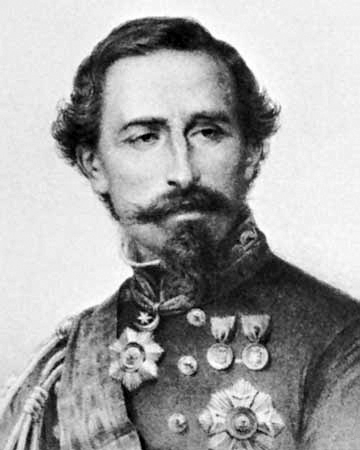

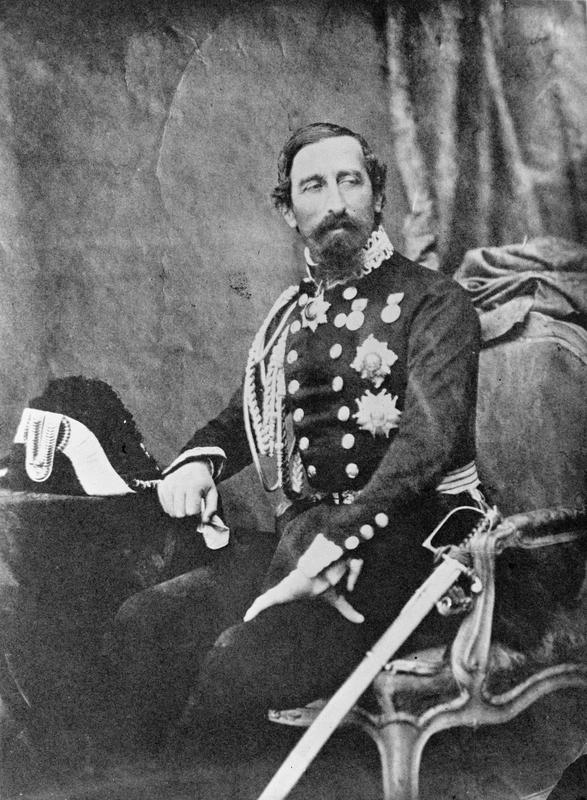

Early life and military rise
La Marmora trained at the military academy in Turin and advanced steadily through the Sardinian army. He reached general rank by the mid‑1850s and served as Minister of War in several cabinets of the Kingdom of Sardinia. His background and education positioned him among the professional officers who sought to update the army's organization, training and supply systems.
Reforms and organization
As war minister he introduced measures intended to strengthen field units and improve the officer corps. Key changes attributed to his tenure include:
- creation and expansion of officer academies and professional training;
- adjustments to recruitment and conscription practices to increase available manpower;
- restructuring of infantry, with emphasis on light rifle units and more mobile cavalry;
- modernization of artillery, medical services, administration and logistical support.
These reforms reflected contemporary military thinking that favored mobility, improved marksmanship and better staff organization.
Campaigns, cabinets and public office
La Marmora resigned as minister to participate in the Crimean campaign, leading Sardinian contingents in the wider allied effort during the Crimean War (Crimean War). He later held high civil posts: he served briefly as Prime Minister of Sardinia and, after Italian unification, held central assignments such as governor of Milan and Prefect of Naples. He belonged to the conservative parliamentary group known as the "Historical Right" and was appointed Prime Minister and Foreign Minister of the Kingdom of Italy in 1864.
1866 campaign and later years
In 1866, amid the Third Italian War of Independence, La Marmora again left office to take field command. The campaign produced mixed results for Italy; Italian forces suffered a significant setback at Custoza, an outcome that tarnished his military reputation and provoked political criticism. After further service in public administration he withdrew from political life in 1870 and spent his final years away from the limelight. He died in Florence in 1878 and was buried in Biella.
Legacy and notable facts
La Marmora's legacy is dual: he is credited with bringing professional reforms to the Sardinian and later Italian army, yet his wartime leadership left a contested record. His family included other prominent military figures; notably his brother Alessandro La Marmora founded the Bersaglieri, the fast‑moving rifle corps that became a distinctive element of the Italian army. Historical assessments of Alfonso La Marmora weigh his administrative and organizational contributions against the operational difficulties Italy faced in 1866.
For a concise overview of his roles and timeline see a short list of offices and campaigns: military commands, statesman roles, service in Crimea, prime ministerships in Turin and Rome, and later civil governorships in Milan and Naples.
This article summarizes broadly known facts about Alfonso La Marmora and his place in Italian 19th‑century history. For focused research consult specialist military histories and primary archival material available through dedicated repositories and bibliographies (Kingdom of Sardinia era sources, Florentine archives, regional records).
Questions and answers
Q: Who was Alfonso La Marmora?
A: Alfonso La Marmora (18 November 1804 – 5 January 1878) was an Italian general and statesman. He was born into a wealthy and noble family in Turin, Italy.
Q: What did he do in the Kingdom of Sardinia?
A: In the Kingdom of Sardinia, he served twice as Minister of War in the governments led by Massimo D'Azeglio and Camillo Cavour. He also made a law that improved the quality of troops, created new academies for officers, retouched the recruitment system, and strengthened light cavalry at the expense of heavy.
Q: What position did he hold after Italian unification?
A: After Italian unification, La Marmora was governor of Milan and Prefect of Naples. He also served as Prime Minister and Foreign Minister for the Kingdom of Italy from 18 September 1864 to 20 July 1866.
Q: What happened when he resigned from office to fight in the third Italian independence war?
A: When La Marmora resigned from office to fight in the third Italian independence war, he committed several strategic errors which cost a heavy defeat for Italy.
Q: How did his brother contribute to military history?
A: His brother Alessandro La Marmora founded the corps of Bersaglieri.
Q: Where is Alfonso La Marmora buried?
A: He is buried in Biella at San Sebastiano church.
Tags
Related articles
Author
AlegsaOnline.com Alfonso La Marmora: Italian general, reformer and statesman Leandro Alegsa
URL: https://en.alegsaonline.com/art/2467