
Culture of Ancient Rome
An organized overview of social life, institutions, arts, religion and legacy of ancient Rome, showing how Roman culture absorbed and spread Mediterranean traditions over more than a millennium.
Overview
Roman culture developed over more than a thousand years as a complex, changing civilization that bound together peoples around the Mediterranean. It combined local Italian traditions with influences acquired through conquest and trade. For a concise timeline and further reading see timeline and overview.
Image gallery
10 Images






Social structure and daily life
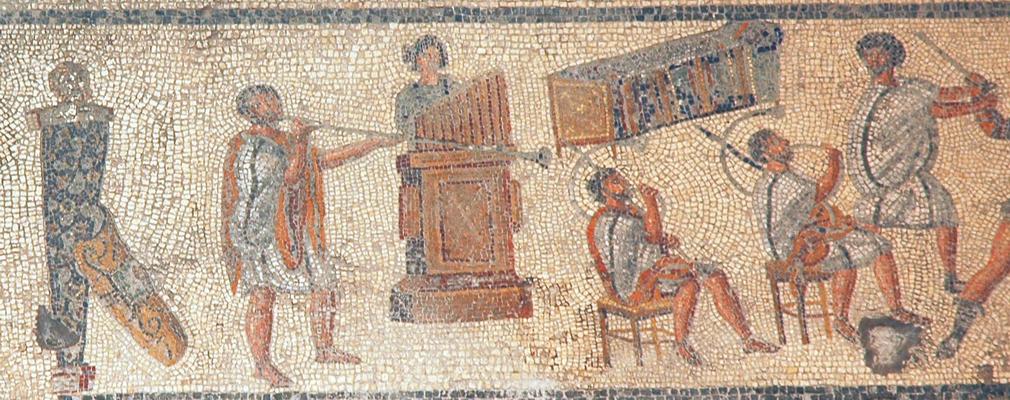
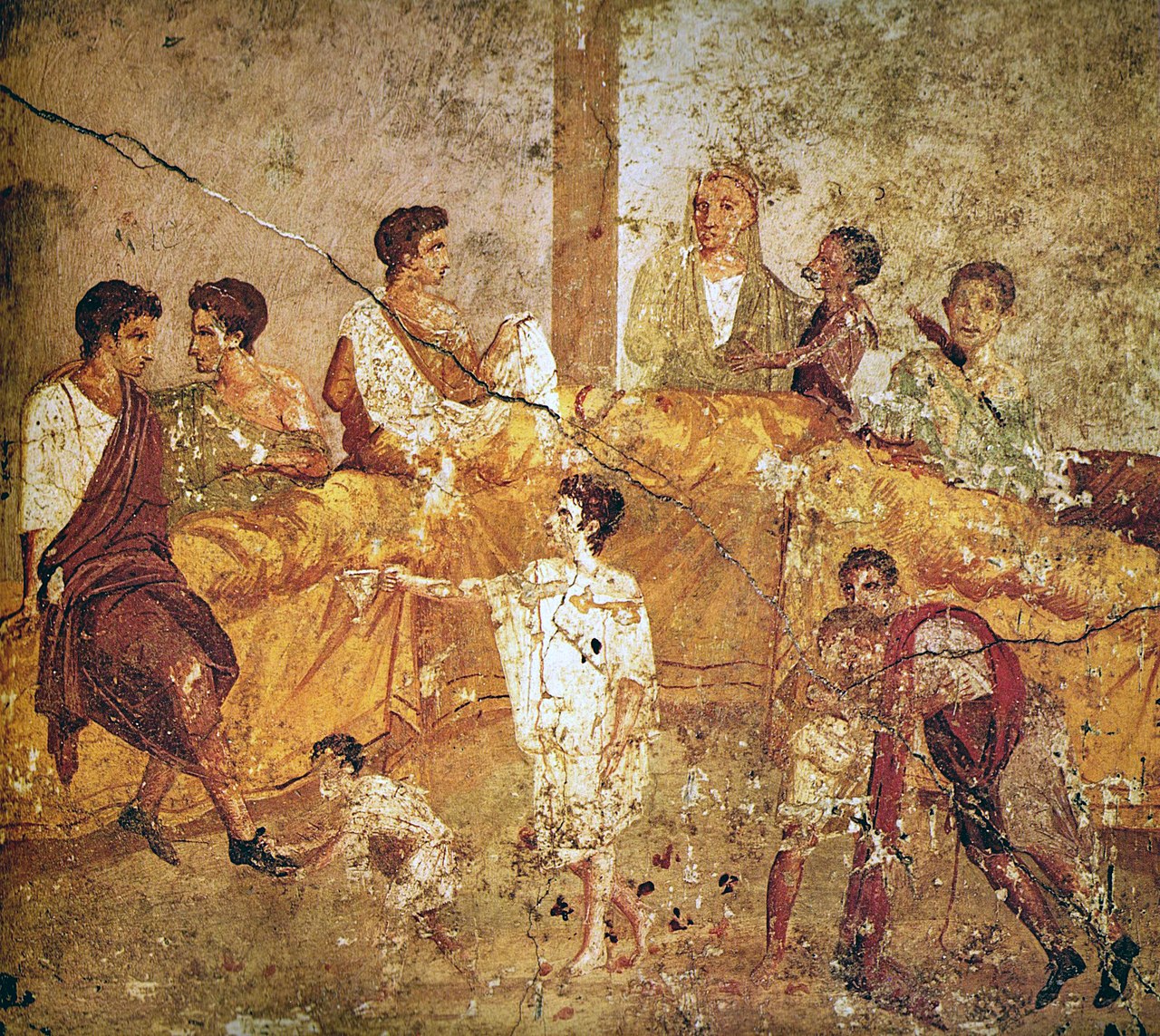
Family, patronage, and social rank shaped everyday behavior. Citizens, freedmen, noncitizens and slaves occupied distinct places in law and custom. Urban life centered on public baths, markets and forums; rural life focused on villas and agriculture. For sources on social roles and material culture consult social studies and discussions of cultural exchange between peoples.
Origins and external influences
Early Rome absorbed Etruscan, Italic and Mediterranean practices; later the Hellenistic kingdoms transmitted Greek language, philosophy and art. Religious practices incorporated gods and rites from conquered populations, producing a pluralistic religious environment. Background on religious rites and foreign cults appears at religion and rites and analyses of Hellenistic impact are available at Greek influence. Archaeological and architectural evidence is cataloged in many surveys: material culture.
Institutions, law and engineering
Roman institutions—magistracies, senate, legal codes and citizenship—provided mechanisms for governance and integration. Roman law influenced later legal systems, while the military and administrative networks maintained order. The Romans excelled in engineering: roads, bridges, aqueducts and urban drainage shaped cities and provinces. For law and engineering records see legal tradition and infrastructure studies.
Arts, literature and learning
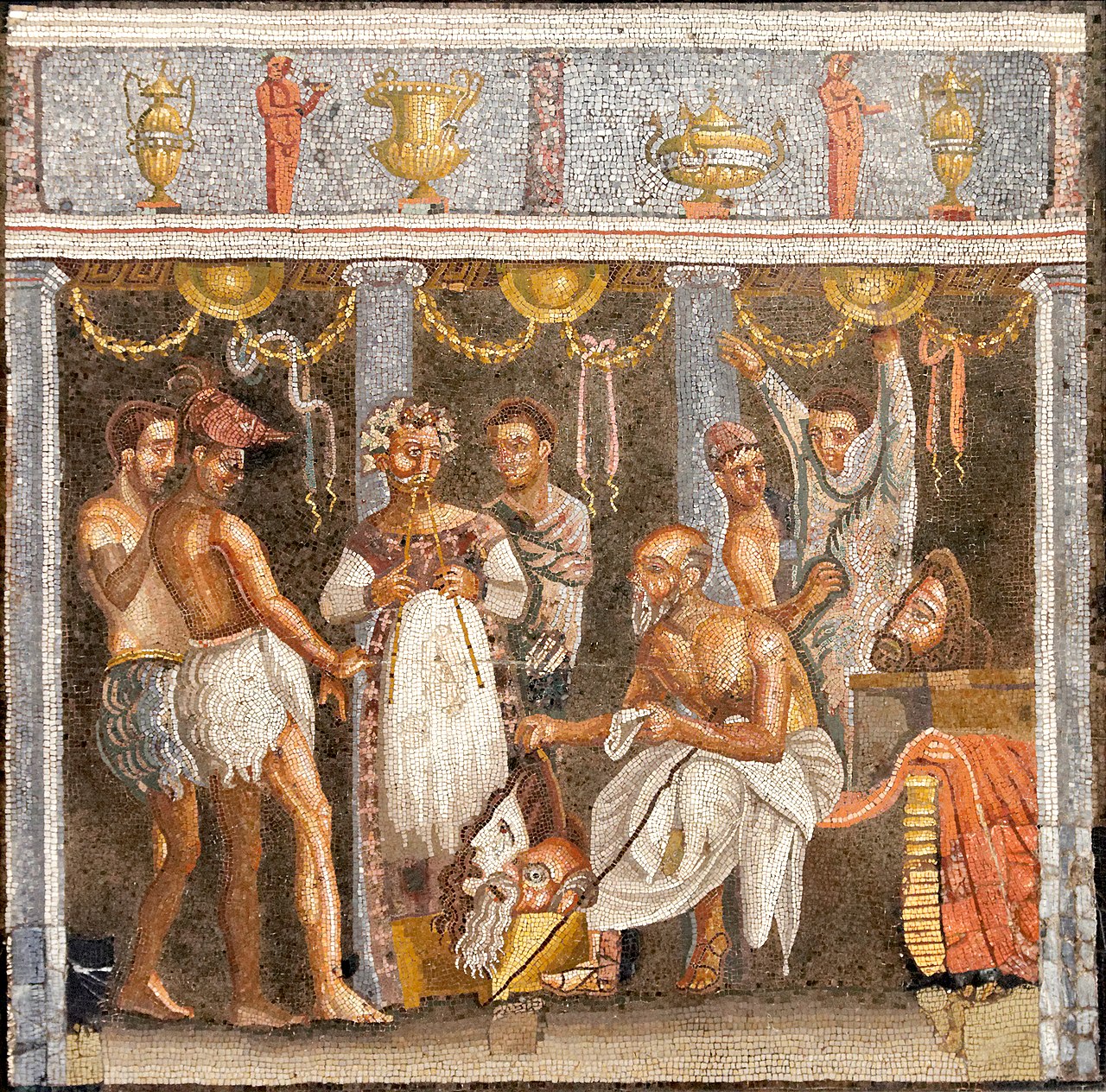
Roman artists and writers adapted and transformed Greek models. Architecture favored arches, vaults and monumental public buildings; sculpture, painting and mosaic combined realism with decorative programs. Latin literature—historians, poets and orators—became central to later European education. Representative works and analyses can be found at art and architecture and literary traditions.
Legacy, diversity and notable distinctions
Rome was a trading and ruling power that managed cultural diversity through law, local autonomy and cultural borrowing. Practices toward slaves and religious minorities, including early Christians, varied by place and period and could be severe or conciliatory depending on rulers and circumstances; see contemporary treatments at religious minorities and law.
- Characteristics: urbanism, legalism, engineering, multilingualism.
- Major influences: Etruscan, Greek, Egyptian and provincial traditions.
- Enduring effects: legal concepts, languages derived from Latin, and architectural forms used worldwide.
Together these elements made Roman culture both cohesive within the empire and adaptable across regions, leaving a complex legacy that shaped medieval and modern Europe.
Questions and answers
Q: How long did Ancient Roman culture grow for?
A: Ancient Roman culture grew for almost 1200 years of Rome's civilization.
Q: What did Romans bring back from their wars?
A: Romans brought back many things from each land they conquered.
Q: What was the way of life of the Romans?
A: The way of life of the Romans was a mix of many cultures, influences, and religions.
Q: When did Greek influence become very important in Rome?
A: Greek influence became very important in Rome starting in the 2nd century BC.
Q: What areas did architecture, painting, sculpture, laws, and literature grow to a high level in Rome?
A: Architecture, painting, sculpture, laws, and literature grew to a high level in Rome due to Greek influence.
Q: Were slaves and Christians treated similarly or differently by different rulers in ancient Rome?
A: Slaves and Christians were treated differently by different rulers in ancient Rome.
Q: What kind of nation was Rome and what kind of control did it keep?
A: Rome was a trading nation which kept military control over a wide range of peoples, mostly around the Mediterranean.
Related articles
Author
AlegsaOnline.com Culture of Ancient Rome Leandro Alegsa
URL: https://en.alegsaonline.com/art/24625
Sources
- utexas.edu : Latin Online: Series Introduction
- du.edu : The Latin Alphabet