
Cultural center: purpose, spaces, history and community roles
An overview of cultural centers: what they are, typical spaces and programs, their history and role in communities, and distinctions among types and governance models.
A cultural center is an institution—sometimes an independent organization, sometimes a public building or a larger complex—dedicated to supporting and presenting culture and arts. These centers serve as hubs where creative practice, heritage, learning and social exchange converge. They range in scale from a single gallery or theater to multiuse campuses that host festivals, classes and community events.
Image gallery
5 Images


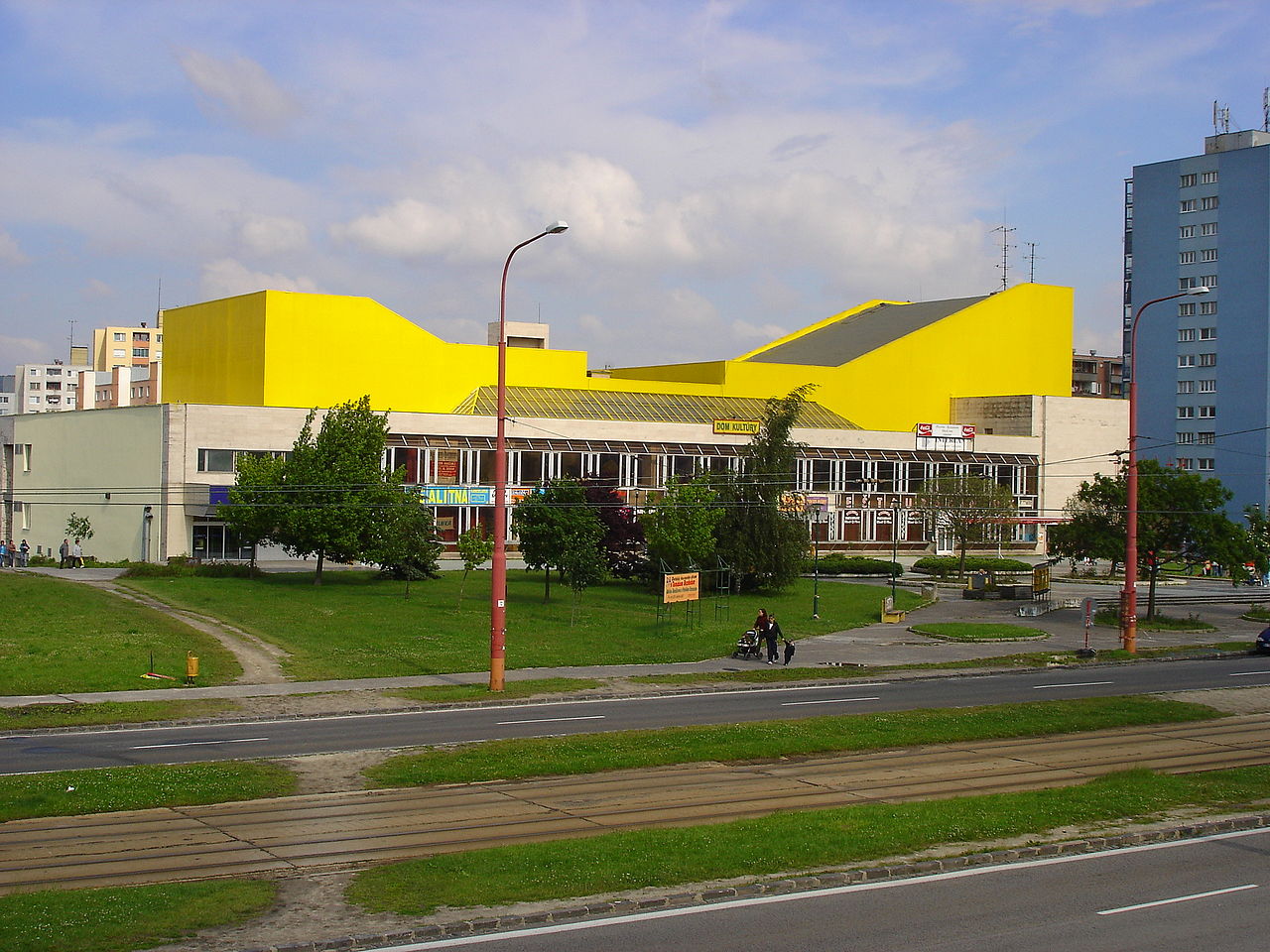

Typical facilities and activities
Most cultural centers include a mix of flexible spaces: exhibition halls, performance stages, rehearsal rooms, studios, classrooms and libraries or archives. Programming commonly features visual arts shows, live music, theater, dance, workshops, film screenings and educational outreach. Activities often aim to balance professional presentation with opportunities for local artists and community participation.
History and development
The modern concept grew from a combination of civic institutions, private foundations and grassroots initiatives in the 19th and 20th centuries. Over time cultural centers evolved from single-purpose museums or theaters into multidisciplinary venues that respond to urban planning, cultural policy and shifting audience needs. Contemporary centers frequently emphasize accessibility, intercultural exchange and partnerships across sectors.
Roles and social importance
Cultural centers contribute to cultural preservation, creative economy and social cohesion. They provide platforms for underrepresented voices, support arts education, and can stimulate local regeneration. Beyond entertainment, they function as spaces for dialogue, skill development and civic engagement.
Types and distinctions
- Public cultural centers: funded or managed by government bodies and oriented toward broad public access.
- Independent or nonprofit centers: often mission-driven and reliant on donations, grants and earned income.
- Community and neighborhood centers: smaller, grassroots venues focused on local needs and participation.
- Commercial venues: privately run spaces that combine cultural programming with revenue-generating activities.
While terminology and models differ by country and context, the underlying aim remains consistent: to create places where artistic practice and cultural life can flourish, connect people, and reflect diverse identities and histories.

Nationally known cultural centers
- KOMM Nuremberg
- Köpi, Berlin
See also
- Art Center
Related articles
Author
AlegsaOnline.com Cultural center: purpose, spaces, history and community roles Leandro Alegsa
URL: https://en.alegsaonline.com/art/24614