
Culper spy ring — American Revolutionary intelligence network
Civilian spy network organized during the American Revolution to relay intelligence from British-occupied New York to George Washington using covert couriers, codes, and invisible ink.
Overview
The Culper spy ring was a covert civilian intelligence network that operated during the American Revolutionary War to gather information on British forces in and around New York City. Its members used false names, coded messages and clandestine couriers to transmit reports to General George Washington. The ring director in the field was Abraham Woodhull, who used the alias Samuel Culper, a name later adopted by the entire unit.
Image gallery
5 Images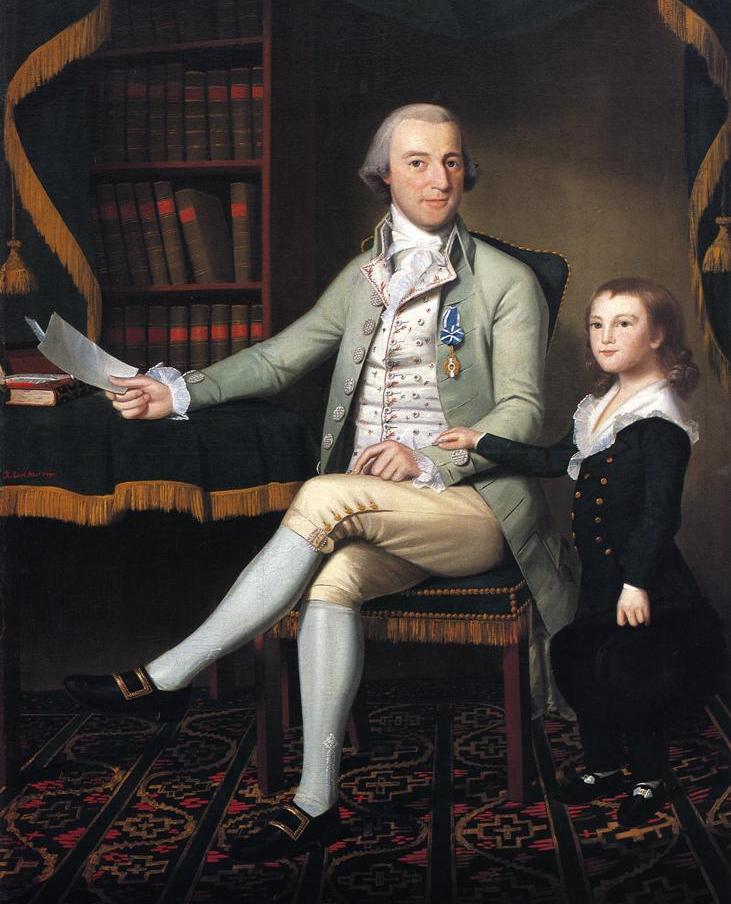


Organization and methods
Operators combined urban agents and rural couriers. They relied on trusted messengers, night passages by boat, dead drops and tavern fronts to move intelligence without drawing attention. The group adopted a numerical codebook and chemical inks for hidden writing; such techniques reduced risk by masking names of people and places. Key tactics included short reports, repeatable routes, and cover stories to explain travel and contacts.
Notable members
- Abraham Woodhull (Culper Sr.) — field organizer based on Long Island
- Robert Townsend (Culper Jr.) — principal informant in New York City
- Caleb Brewster — whaleboat courier across Long Island Sound
- Anna Strong — traditionally credited with signaling movements from Long Island
- Benjamin Tallmadge — Washington's intelligence officer who coordinated the ring
History and impact
The ring formed in 1778 and continued through the later years of the war, supplying Washington with timely information on troop movements, ship arrivals and British plans. While intelligence rarely changed the course of single battles on its own, reports from the Culper network informed strategic decisions, helped protect American positions, and exposed Loyalist or British activity. The effort targeted British-held New York and the surrounding coastline, where occupation forces concentrated.
Legacy and notable facts
The Culper ring remained secret for decades; historians reconstructed its work from recovered correspondence and later research. Its mix of civilian operatives, simple but effective tradecraft and the use of aliases set a model for later American intelligence practices. For general context on Revolutionary espionage see sources on spies and occupation policies; for the British side see materials about British operations in North America. Further reading and archival documents are available through specialized collections and scholarly treatments of wartime intelligence.
Note: Some specific stories, such as the precise details of Anna Strong's signals, derive from traditional accounts and are treated cautiously by historians. The ring's effectiveness rested on discipline, secrecy and the careful routing of information to Washington's intelligence staff.
Questions and answers
Q: Who was Abraham Woodhull?
A: Abraham Woodhull was a man who ran a ring of civilian spies during the American Revolution on behalf of General George Washington.
Q: What was the purpose of the Culper spy ring?
A: The purpose of the Culper spy ring was to spy on the British during the American Revolution.
Q: Who did Abraham Woodhull work for?
A: Abraham Woodhull worked for General George Washington during the American Revolution.
Q: What was Abraham Woodhull's pseudonym?
A: Abraham Woodhull's pseudonym was Samuel Culper.
Q: How many spies were in the Culper spy ring?
A: The exact number of spies in the Culper spy ring is not known, but it is believed to have been around 20.
Q: What did the Culper spy ring accomplish?
A: The Culper spy ring helped General George Washington gather intelligence on the British, which helped the American revolutionary cause.
Q: What was the legacy of the Culper spy ring?
A: The Culper spy ring has been credited with contributing to the American victory in the Revolutionary War, and its techniques and methods have been studied and used by intelligence agencies throughout history.
Related articles
Author
AlegsaOnline.com Culper spy ring — American Revolutionary intelligence network Leandro Alegsa
URL: https://en.alegsaonline.com/art/24602