
Cullman, Alabama — city in Cullman County
Cullman is a city in north-central Alabama and the county seat of Cullman County. Founded by German settlers, it lies along Interstate 65 between Birmingham and Huntsville and serves as a regional center.
Overview
Cullman is a city in north-central Alabama and the administrative center of Cullman County. It is served by Interstate 65, which links the city roughly to Birmingham to the south and Huntsville to the north. According to the 2010 census, the city had a population of 14,775. Cullman functions as a local hub for commerce, education, and cultural events for surrounding communities.
Image gallery
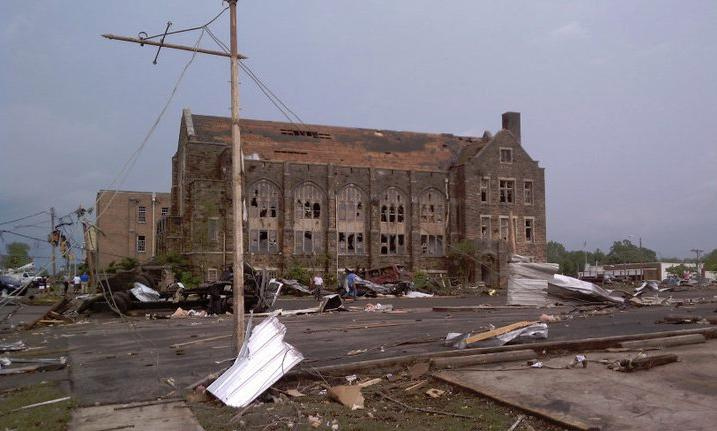
4 Images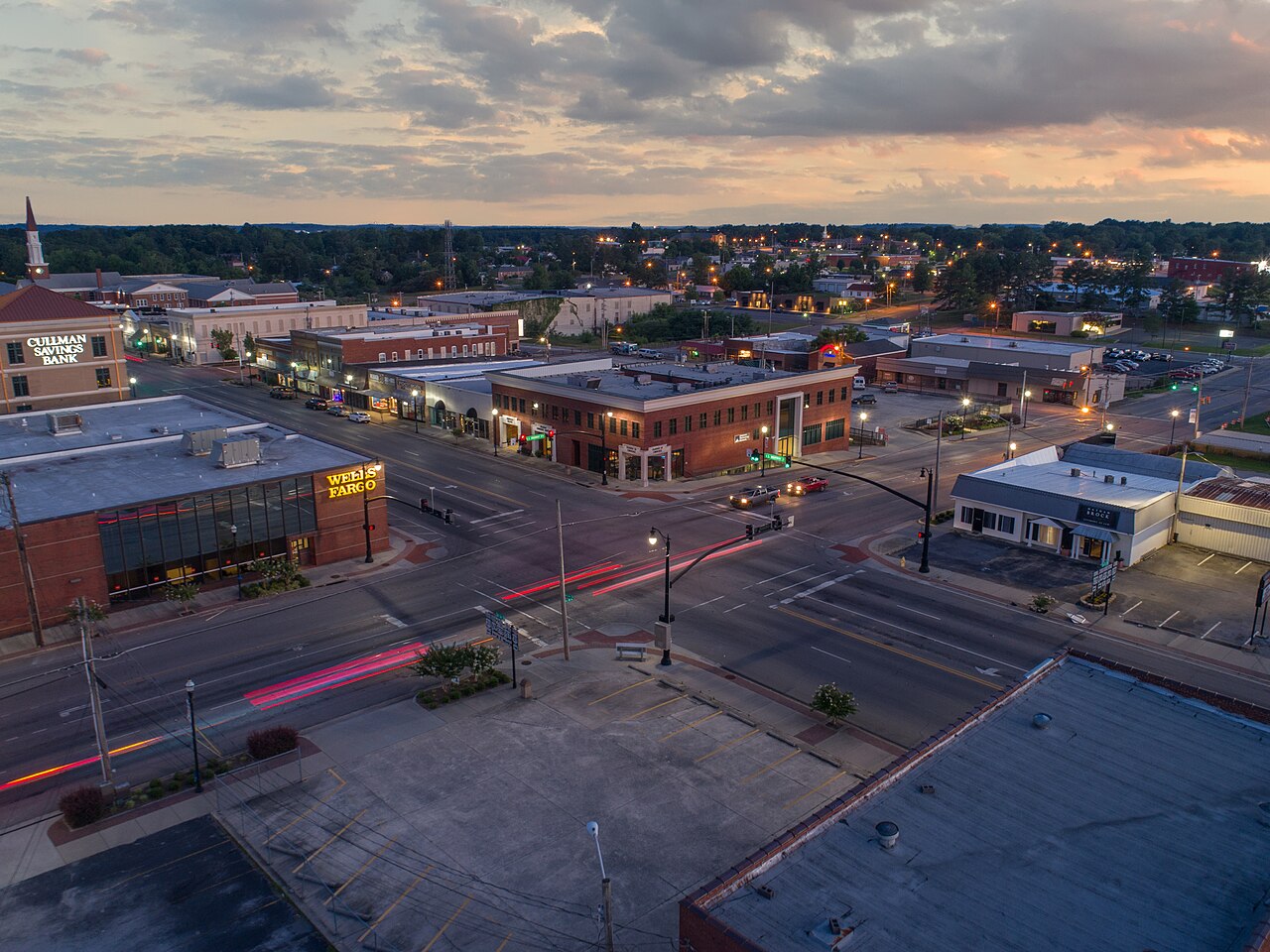


History and origins
The modern city of Cullman traces its origins to German immigration in the late 19th century. It was founded and promoted by a German immigrant, Colonel John G. Cullmann, who attracted settlers and organized land development for a planned community. Over the following decades Cullman grew as farms, shops, and small industries clustered around the town center, retaining elements of its German heritage in architecture, festivals and community life.
Geography and transport
Cullman lies in the rolling uplands of north-central Alabama and benefits from regional road connections. The presence of Interstate 65 gives direct highway access for freight and commuters, while secondary state roads link rural areas to the city. Its position between larger metropolitan areas — Birmingham and Huntsville — makes Cullman an accessible midpoint and a convenient base for regional services.
Economy, institutions, and attractions
Cullman’s economy is mixed, with manufacturing, agriculture, retail and service industries all contributing to local employment. The city hosts educational institutions and community organizations that serve the county and surrounding towns. Notable local sites and institutions include:
- Religious and cultural centers such as St. Bernard Abbey and associated attractions.
- Tourist draws and public art installations that reflect the town’s heritage.
- Regional community colleges and school systems that provide vocational and academic programs.
Culture, demographics, and notable facts
Cullman is known for preserving and celebrating elements of its German immigrant past through local events, foodways and civic organizations. As the county seat, the city houses county government offices and courts that serve the wider area. Demographic and economic trends have evolved over time; official statistics such as the 2010 census provide baseline figures for population and housing while local planning documents guide future growth.
For more detailed municipal information, government services, and local event calendars consult county and state resources or the city’s official portals and visitor guides.
Questions and answers
Q: Where is Cullman located?
A: Cullman is located in Cullman County, Alabama.
Q: What is the distance between Cullman and Birmingham?
A: Cullman is about 50 miles (80 km) north of Birmingham.
Q: How far is Cullman from Huntsville?
A: Cullman is about 55 miles (89 km) south of Huntsville.
Q: What is the population of Cullman based on the 2010 census?
A: According to the 2010 census, Cullman has a population of 14,775 people.
Q: Is Cullman the county seat of Cullman County, Alabama?
A: Yes, Cullman is the county seat of Cullman County, Alabama.
Q: Which interstate passes through Cullman?
A: Cullman is along Interstate 65.
Q: In what state is Cullman located?
A: Cullman is located in the state of Alabama.
Related articles
Author
AlegsaOnline.com Cullman, Alabama — city in Cullman County Leandro Alegsa
URL: https://en.alegsaonline.com/art/24594
Sources
- www2.census.gov : "2016 U.S. Gazetteer Files"
- census.gov : "Population Estimates"
- quickfacts.census.gov : quickfacts.census.gov
- cullmancats.net : "Cullman City Schools"