
Culen of Scotland (Cuilén mac Illuilb) — King of Scots, c. 967–971
Culen (died 971), son of Indulf, was King of the Scots from about 967 to 971. His short reign is sparsely recorded; later sources note dynastic rivalry, an unusual death, and uncertain succession.
Overview
Culen (Old Gaelic Cuilén or Cuilén mac Illuilb), who died in 971, is conventionally counted among the kings of the Scots in the later tenth century. He succeeded after the death of Dub (Dub mac Maíl Coluim) and is usually dated to rule from about 967 until his death in 971. Contemporary evidence for his reign is limited to annalistic notices and later king-lists; as a result, many details remain uncertain and debated by historians.
Image gallery
10 Images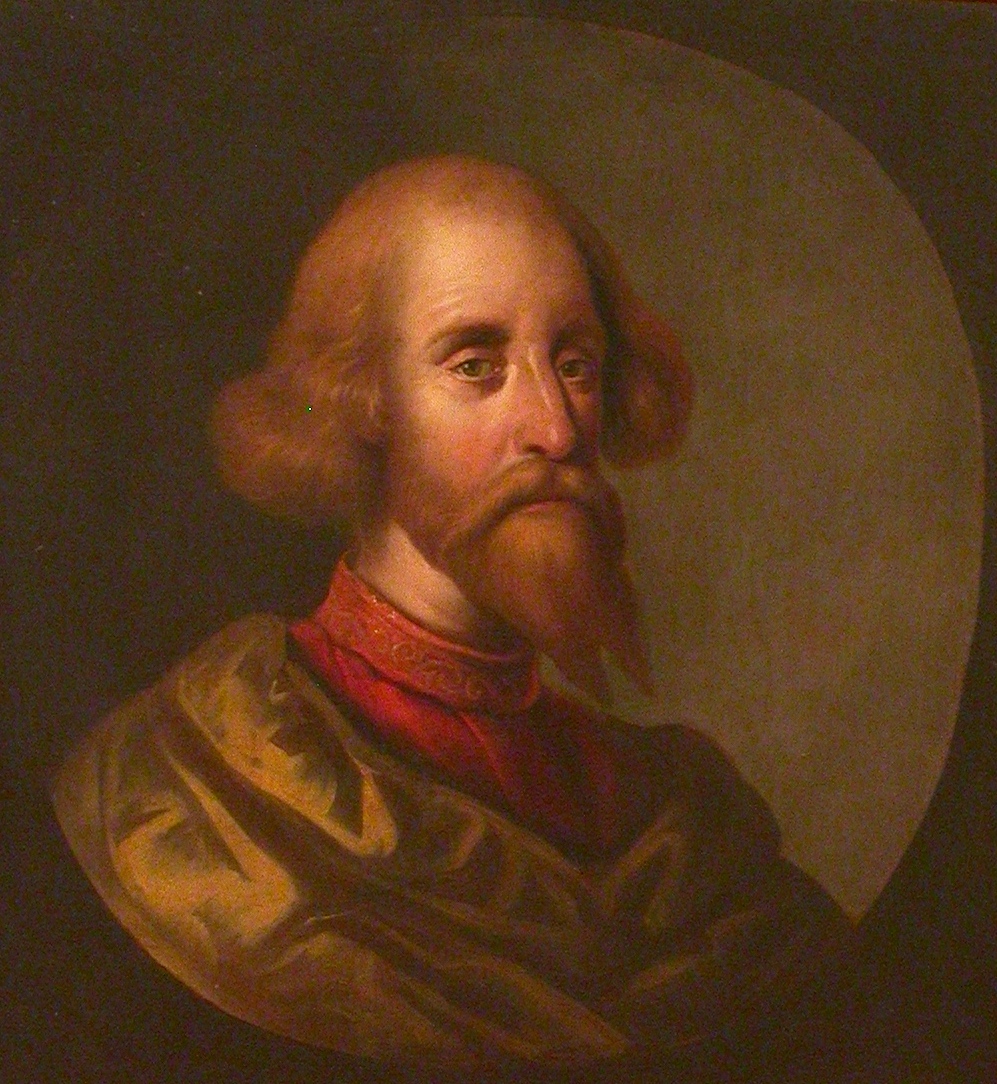



Background and family
Culen belonged to the dynasty often called the House of Alpin, which produced a succession of rulers in this period. He was a son of Indulf (Illulb mac Causantín), himself a former king. Medieval sources also mention a brother, Amlaíb mac Illuilb, who appears in some records and may have been a rival or co-claimant at times. Culen is said to have had at least one son, but the genealogical record for his descendants is fragmentary.

Reign and political context
The late tenth century in what is now Scotland was politically fragmented. Power was exercised through regional magnates, Norse-Gaelic lords on the coasts and islands, and the rulers of neighbouring Strathclyde and Northumbria. Culen’s reign falls within this complex landscape. Some chronicles imply he exercised authority beyond the heartland of the Scots and may have had influence in parts of Strathclyde, but such claims are not uniformly attested and remain speculative.

Death, succession and disputes
Annals record Culen’s death in 971 without extensive detail. Later medieval chronicles provide a more dramatic account: they claim he was slain in revenge by a local nobleman after an offence against a woman, naming the killer in some versions. Such narratives reflect a mixture of historical memory and moral storytelling common to medieval sources; historians treat them cautiously. After Culen’s death the kingship passed into a period of contested succession. Kenneth II (Cináed mac Maíl Coluim) is conventionally regarded as his successor, though rival claimants — including Culen’s brother Amlaíb or other members of the same dynastic network — figure in later lists and annals.

Legacy and sources
Culen’s reign is best known from brief entries in the Irish annals and later Scottish king-lists and chronicles. Because evidence is sparse, his long-term impact is primarily seen through the pattern of dynastic competition that characterized the period: succession was not hereditary in a modern sense but was often contested among branches of ruling houses. His uncertain burial place and the fragmentary nature of records leave Culen as a representative example of tenth-century Scottish kingship—locally important, poorly documented, and embedded in a turbulent political environment.

Notable facts
- Reigned approximately 967–971 according to conventional chronologies.
- Son of Indulf, part of the House of Alpin.
- Reportedly killed in 971; accounts of the circumstances vary and include a revenge tale preserved in later chronicles.
- Succeeding ruler is usually given as Kenneth II; rival claimants are recorded in some sources.
Questions and answers
Q: When did Culen rule as king of Scotland?
A: Culen ruled as king of Scotland from 967-971, although he was recognized as early as 966.
Q: When and where was Culen born?
A: Culen was born in the 10th century. His exact location is unknown.
Q: Who succeeded Culen after his death?
A: After his death in 971, Kenneth II and Amlaib succeeded him.
Q: What is Amlaib's name in the Annals of Ulster?
A: Amlaib's name in the Annals of Ulster is not specified.
Q: Who was Indulf?
A: Indulf was Culen's father.
Q: Did Culen possibly rule as king of Strathclyde during his reign?
A: Yes, it is possible that Culen ruled as king of Strathclyde during his reign.
Q: Where is Culen buried?
A: The location of Culen's burial site is unknown.
Related articles
Author
AlegsaOnline.com Culen of Scotland (Cuilén mac Illuilb) — King of Scots, c. 967–971 Leandro Alegsa
URL: https://en.alegsaonline.com/art/24586
Sources
- britroyals.com : "King Culen of Scotland | Britroyals"