
Cuddalore district: geography, history, economy and coastal challenges
Cuddalore district on the southeast coast of India: an overview of its geography, history, economy, administration and vulnerability to cyclones and floods.
Cuddalore district is a coastal administrative region in the Indian state of Tamil Nadu. Its administrative centre is Cuddalore city. The district occupies a stretch of the Coromandel Coast in South India and combines agricultural plains, industrial zones and a long shoreline. Its location on the Bay of Bengal has shaped the district’s economy, settlement pattern and exposure to extreme weather events.
Image gallery
10 Images




Geography and environment
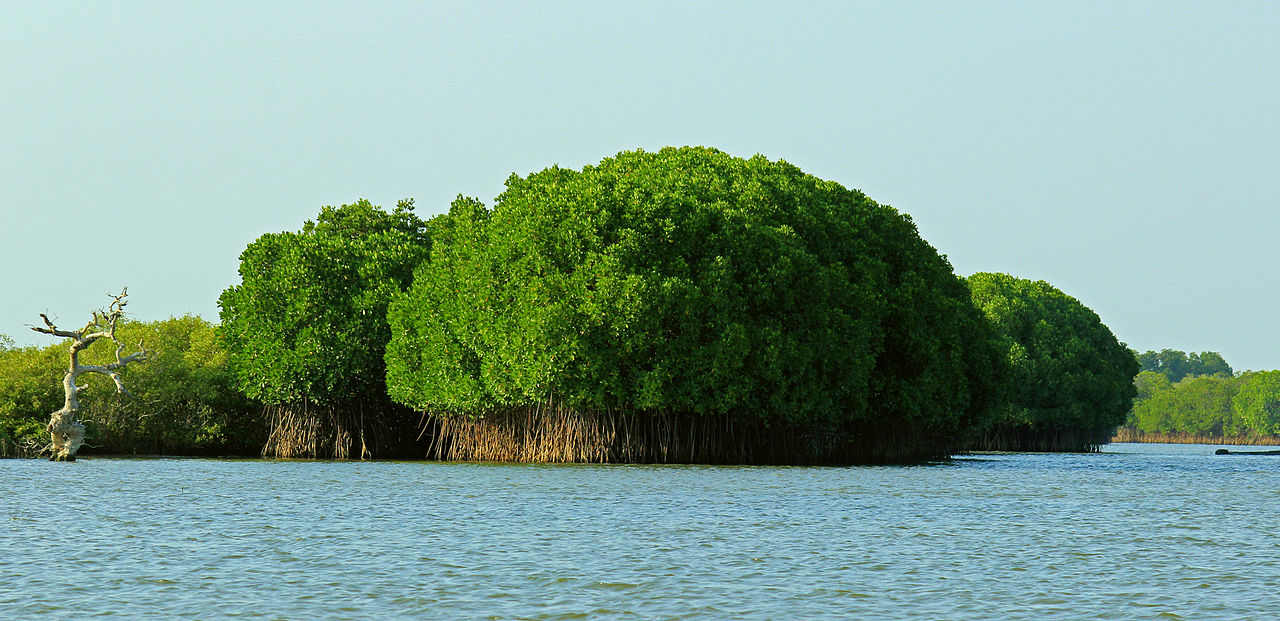
The district features fertile deltaic tracts drained by small rivers and backwaters, coastal sand flats, and pockets of mangrove forest. One notable coastal ecosystem nearby is the Pichavaram mangrove area, which supports fisheries and biodiversity. The shoreline hosts fishing villages and salt production areas, while inland parts include forested patches and mining concessions.
History and development
Cuddalore has a long history as a coastal trading and military location. During the colonial era the stretch of coast saw European trading posts and naval engagements, reflecting its strategic position on routes between ports in eastern India. Over the 20th century the district’s economic profile broadened with mining and thermal power developments, as well as the growth of towns that serve regional markets.
Economy and infrastructure
Local livelihoods are diverse. Major activities include:
- Agriculture: rice, sugarcane and other field crops in the irrigated plains.
- Fisheries and coastal industries: artisanal fishing, fish processing and salt pans along the coast.
- Energy and mining: lignite mining and thermal power plants in the region around Neyveli have provided industrial employment and shaped infrastructure.
- Small-scale manufacturing and trade: food processing, cashew and fruit markets in towns such as Panruti.
Administration and society
The district is administered from its headquarters and is divided into several taluks and municipalities that manage local services, rural development and urban planning. The population includes coastal fishing communities, agricultural households and workers in industry and services; local culture reflects Tamil language and traditions.
Natural hazards and notable events
Because it fronts the Bay of Bengal, Cuddalore is prone to tropical cyclones, storm surges and coastal flooding. The district has been among the areas severely affected in episodic disasters such as the 2004 Indian Ocean tsunami and later flood events; it was notably impacted in the 2015 South Indian floods, alongside neighbouring areas including Chennai district. These hazards influence planning for coastal protection, disaster relief and resilient infrastructure.
Today Cuddalore remains important for its mix of agriculture, fisheries and industry, and for the way its coastal environment continues to shape local livelihoods and planning priorities. For further regional context see state resources and local government portals maintained in Tamil Nadu.
Questions and answers
Q: How many districts are there in Tamil Nadu?
A: There are 32 districts in Tamil Nadu.
Q: Where is the headquarters of Cuddalore district located?
A: The headquarters of Cuddalore district is located in Cuddalore city.
Q: Why was Cuddalore district mostly affected during the 2015 South Indian floods?
A: Cuddalore district was mostly affected during the 2015 South Indian floods because it was hit along with Chennai district and it is located on the sea shore.
Q: What is the importance of Cuddalore district in terms of cyclones affecting Tamil Nadu?
A: Most of the cyclones affecting Tamil Nadu hit Cuddalore district because it is located on the sea shore.
Q: Which city is affected along with Cuddalore district during floods in 2015?
A: Chennai district is affected along with Cuddalore district during floods in 2015.
Q: What is the name of the district that includes Cuddalore city as its headquarters?
A: Cuddalore district includes Cuddalore city as its headquarters.
Q: What part of India is Tamil Nadu located in?
A: Tamil Nadu is located in South India.
Author
AlegsaOnline.com Cuddalore district: geography, history, economy and coastal challenges Leandro Alegsa
URL: https://en.alegsaonline.com/art/24545