
Cuban Spanish: features, history, regional variation and vocabulary
Comprehensive overview of Cuban Spanish: origins, phonology, grammar, regional differences, loanwords from Canarian, African and Taíno sources, and its role in culture and literature.
Overview
Cuban Spanish is the variety of the Spanish language spoken on the island of Cuba. It belongs to the wider group of Caribbean Spanish dialects and shares many phonetic and lexical traits with varieties spoken in coastal and island communities of the Caribbean and northern South America. The dialect developed through extended contact among settlers from different parts of Spain, enslaved and free African communities, the indigenous Taíno population, and later migrants from neighboring Caribbean territories. Cuban Spanish is an important marker of cultural identity and is widely represented in music, radio, and literature.
Image gallery
1 Image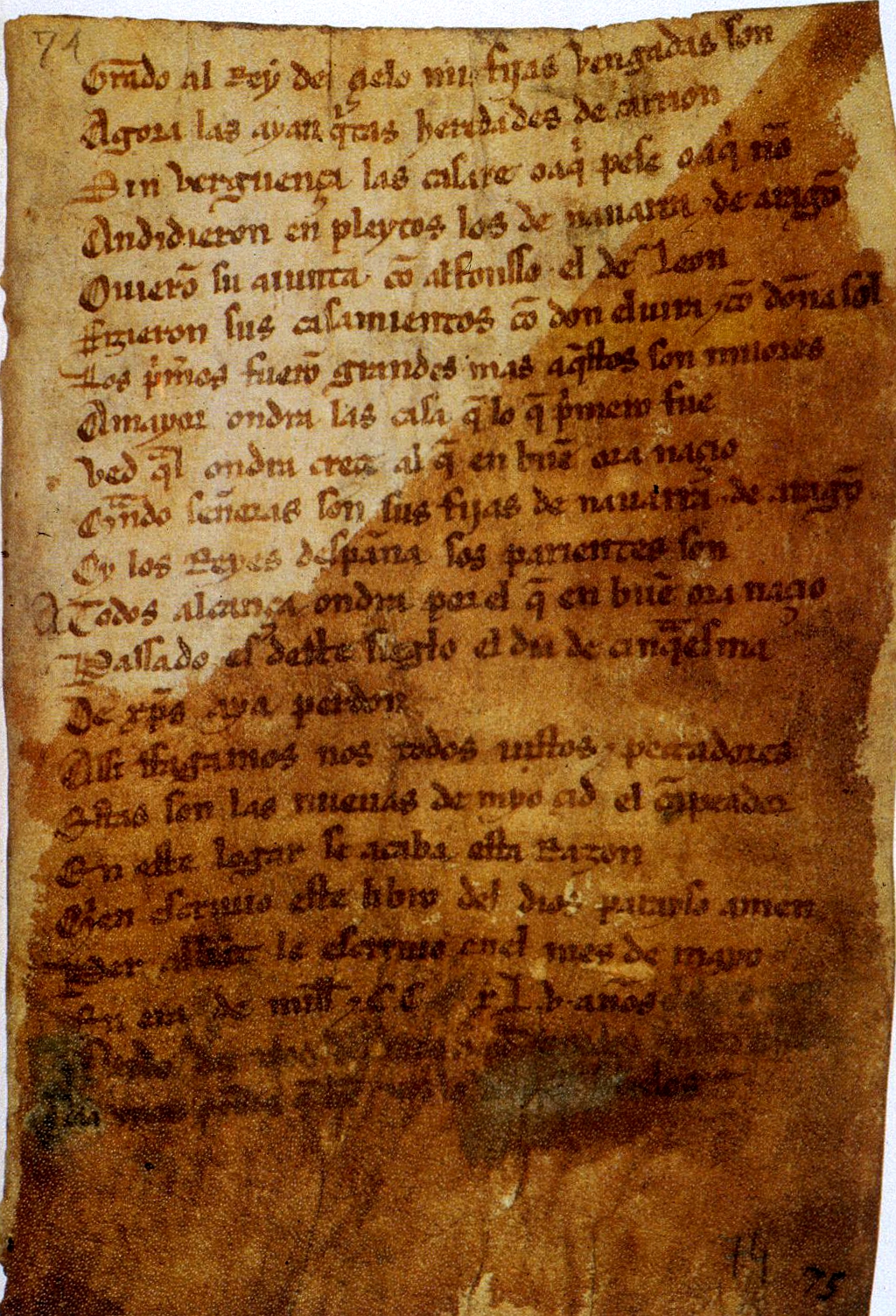
Origins and historical development
The contemporary sound system and many lexical features of Cuban Spanish reflect heavy influence from the speech of the Canary Islands, whose emigrants arrived in large numbers during the 19th and early 20th centuries. Immigrants from other parts of Spain — Galicia, Catalonia, the Basque Country and Asturias — also contributed to the island’s linguistic mix. Large-scale forced and free migration from West Africa introduced vocabulary, intonation patterns and religious vocabulary (for example terms associated with Afro-Cuban religions). Words of Taíno origin, especially names for local flora, fauna and foodstuffs, survive in the everyday lexicon. Later contact with French-speaking Haitians and other Caribbean populations added further lexical and prosodic influences, especially in eastern provinces.
Phonology and pronunciation
Several phonetic tendencies commonly associated with Cuban Spanish overlap with other Caribbean varieties. Syllable-final /s/ is frequently aspirated (often realized as [h]) or entirely elided, so that los may sound like loh or lo. Intervocalic /d/ tends to weaken and is often elided in casual speech (for example acostumbrado pronounced as acostumbrao). Yeísmo — the neutralization of the traditional distinction between ll and y — is widespread. Consonant weakening in coda position, rapid syllable timing and reduction of unstressed vowels are also common. These processes create a relaxed, flowing rhythm typical of Caribbean speech and contribute to regional identity while remaining largely intelligible to other Spanish speakers.
Grammar and pronouns
Cuban Spanish follows the grammatical norms of Caribbean and Latin American Spanish in several respects. The plural pronoun ustedes is used for both formal and informal second-person plural contexts; vosotros is not used. Standard subject-verb agreement and tense systems are maintained, though colloquial registers show rapid speech phenomena and frequent use of contractions and reduced forms. Like other Spanish varieties, subject pronouns are often omitted where verb morphology makes the subject clear. Informal speech features idiomatic uses of diminutives, fast elision of unstressed syllables and local conversational markers.
Vocabulary, loanwords and expressions
Cuban Spanish contains a mix of words from Iberian dialects, African languages (especially in religious and musical vocabulary), the Taíno language (words for plants, foods and certain objects), and later borrowings from French and Creole. Some well-known items in everyday Cuban vocabulary include food and material culture terms derived from Taíno, musical and religious terms from African languages, and archaisms or regional words inherited from Canarian speech. Urban slang and neighborhood expressions (often of uncertain or mixed origin) are prominent in popular music and oral storytelling. Some lexical items have become emblematic of Cuban speech and spread to other Spanish-speaking areas through music and media.
Regional variation within Cuba
Cuba shows noticeable east–west differences. Eastern provinces historically had larger plantation economies and more direct contact with Haitian migrants and Creole speakers; their speech often retains stronger African-derived rhythmic and lexical traces and shows closer affinities with Dominican and eastern Caribbean varieties. Western areas, including Havana, developed under different commercial and demographic conditions and display urban speech patterns shaped by city life and media. Within each region, contrasts between urban and rural speech, social class and age create a range of registers from conservative to highly colloquial.
Language contact and special domains
Contact with African languages is most visible in religious vocabulary associated with Afro-Cuban religions such as Santería, in naming of musical instruments and genres, and in certain idiomatic expressions. Taíno-derived words persist most clearly in terms for native plants, animals and foods. French and Haitian Creole influenced eastern Cuba after the Haitian Revolution and in periods of migration; some local expressions and pronunciations can be traced to these contacts. In modern times, media, tourism and transnational exchange continue to shape lexical innovation.
Social and cultural importance
Cuban Spanish is central to national identity and to the island’s rich creative output. Popular musical forms (son, rumba, timba, bolero) and literary traditions draw on local speech, making everyday expressions and rhythms familiar beyond Cuba. Studying Cuban Spanish helps linguists understand processes of dialect formation, language contact, and sociophonetic change in multilingual settings. For learners, exposure to Cuban varieties offers insight into pronunciation variants, colloquial vocabulary and conversational strategies found across the Caribbean.
Examples and common features at a glance
- Aspiration or loss of syllable-final /s/ (e.g., los → loh or lo)
- Weakening or elision of intervocalic /d/ (e.g., acostumbrao)
- Yeísmo: no contrast between ll and y
- Use of ustedes for plural you; vosotros absent
- Lexical admixture from Canarian Spanish, West African languages, Taíno and Creole
Further reading and resources
- Dialect classification and overview
- Spanish language context
- Cuba: geographic and cultural setting
- Caribbean Spanish comparisons
- Canary Islands connections
- Spain: historical ties
- Influences from other Spanish regions
- Asturian and northern Spanish input
- West African language influences
- French-language impact
- Taíno and indigenous contributions
- Plantation economy and social history
- African diaspora and cultural change
- African language families in Cuba
- Yoruba and Kikongo legacies
- Comparisons with Dominican Spanish
- Haitian Revolution and Creole influence
Questions and answers
Q: What language is Cuban Spanish?
A: Cuban Spanish is a dialect of the Spanish language.
Q: Where is it spoken?
A: It is spoken in Cuba.
Q: What are some of the same features that Cuban Spanish shares with other Caribbean dialects of Spanish?
A: Cuban Spanish shares many of the same features as other Caribbean dialects of Spanish.
Q: How did Canarian people influence Cuban Spanish?
A: Much of Cuban Spanish derives from the Spanish spoken in the Canary Islands of Spain because large numbers of Canarian people moved to Cuba in the 19th and early 20th centuries.
Q: Are there any words in Cuban Spanish from other parts of Spain?
A: Yes, there are also words that come from other parts of Spain such as Galicians, Catalans, Basques and Asturians.
Q: Does Cuban culture have an influence from African languages?
A: Yes, many words in Cuban Spanish come from West African languages such as Yoruba and Kikongo, particularly in the eastern part which had large plantations where many African slaves worked during the 18th and 19th centuries.
Q: Did Haitian Creole influence eastern Cuban culture?
A:Yes, after the Haitian Revolution, Haitian Creole language influenced the eastern Cuban culture and some Cubans can still speak Haitian Creole today.
Related articles
Author
AlegsaOnline.com Cuban Spanish: features, history, regional variation and vocabulary Leandro Alegsa
URL: https://en.alegsaonline.com/art/24518